Educational information only — RemedyRank does not diagnose, treat, or cure disease. Read our full disclaimer.

Herb

Valerian Root

78/100
RemedyRank score

An earthy-smelling root, taken as tea or tincture before bed, traditionally used to ease into deeper, calmer sleep.

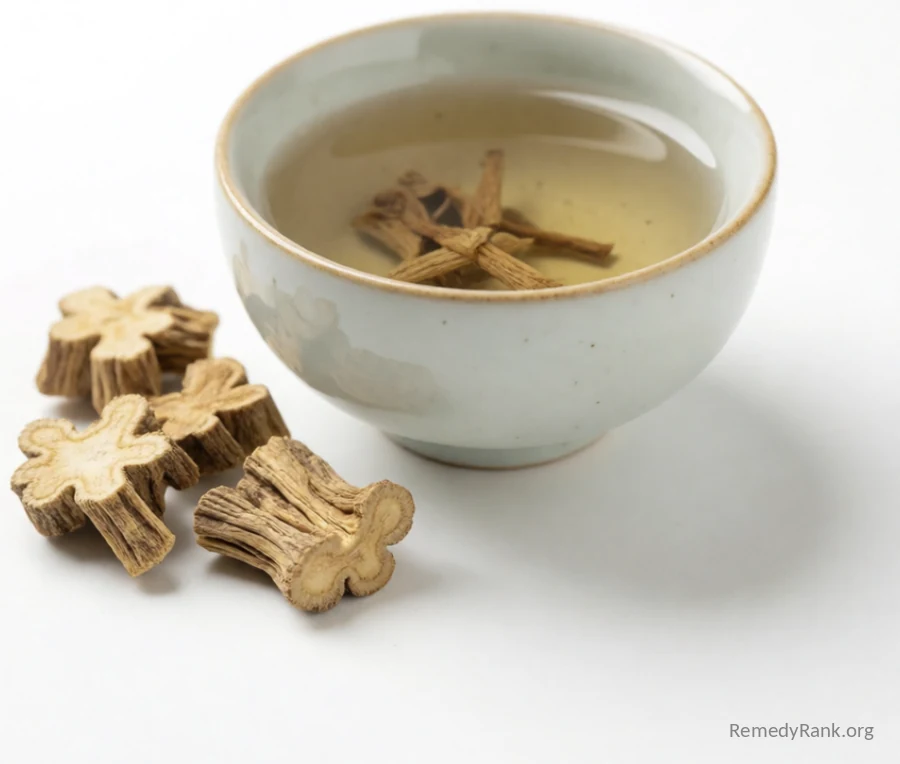
Dried tan valerian root pieces next to a ceramic cup of pale valerian tea.⤢
📊 How it ranks (our editor score) — 78/100Tap to see the breakdown
Source quality
Safety
Simplicity
Affordability
Lifestyle fit
Eight-laws alignment
User feedback

🌱 What it is

Valerian is the root of a flowering plant, dried and taken as a tea or tincture in the evening. Its distinctive earthy smell is well known among traditional sleep herbs.

📜 Where it comes from

Valerian root was used by Greco-Roman physicians, including Galen, who recommended it for sleeplessness and nervous complaints. Medieval and early modern European herbalists kept valerian as a standard remedy for insomnia, and its distinctive earthy smell became associated with sleep aids across Europe. That long-standing reputation as a bedtime herb has carried valerian into Western use largely unchanged.

✨ Why it's good for you

  • May help support falling into deeper, calmer sleep
  • May help support easing into rest after a long day
  • May help support a settled feeling before bedtime

🥗 Nutrition

Per 1 cup brewed tea / 1 tsp root · about 3 calories

  • Valerenic acid (bioactive)
  • Volatile oils
  • Negligible macronutrients

Source: Nutrition estimate (per typical serving)

🥄 How to use it

Steep 1 teaspoon of dried valerian root in hot water for 10 minutes and drink 30–60 minutes before bed, or take a tinctureA concentrated herbal extract made with alcohol. How to make a tincture → per the label. Its smell is strong, so blending with chamomile or lemon balm helps.

How much: As teaA warm drink made by steeping herbs in hot water. How to make a tea →, 1 teaspoon dried root per cup before bed; tinctures and capsules follow the label. Use short-term and start low.

Why it works: Sedative effects alleviate anxiety and promote relaxation.

Show full details & how to prepare it

Valerian is a tall meadow plant whose root has been trusted for centuries as a sleep helper — famously earthy in smell, but gentle in effect for many people. It's used most for falling asleep more easily and for calming evening restlessness.

Its aroma is strong, so it's often blended with chamomile or lemon balm. Because it brings on drowsiness, it belongs to the bedtime hours only, never with alcohol or other sedatives, and it's best used in short stretches while you also build a calm sleep routine.

Ways to prepare it

Bedtime tea: Steep 1 teaspoon dried valerian root in a cup of hot water for 10 minutes (covered) and sip 30–60 minutes before bed.
Sleep blend: Combine valerian with chamomile and lemon balm to soften its aroma and deepen the calming effect.

🔬 Let's get technical

The scientific view, plainly reported. Hover a dotted word for its meaning.

What's in it

Valerian root contains volatile such as and valeranone, along with compounds known as and small amounts of gamma-aminobutyric acid (GABA) itself. Valerenic acid is generally considered the most pharmacologically studied single constituent, though commercial extracts vary widely in their ratio of these compounds depending on extraction method.

Mechanism of action

has been shown to modulate the complex, the primary inhibitory neurotransmitter system in the brain, including effects on GABA transporter reuptake and enzymatic breakdown that may increase GABA availability at the synapse. This GABAergic activity parallels, though is pharmacologically distinct from, the mechanism of benzodiazepine sedatives, and some studies suggest valerenic acid may interact with the as a partial modulator. Valepotriades and their degradation products have also shown mild sedative activity in animal models, though they are chemically unstable and largely absent from aged or processed extracts. Together these constituents are proposed to produce a general central-nervous-system-depressant effect without the pronounced next-day sedation reported for some pharmaceutical hypnotics, though direct comparative human data are limited.

Current pharmacological applications

Valerian is one of the more extensively studied sleep-related herbs, with numerous small randomized trials examining subjective sleep quality and ; results are inconsistent, and systematic reviews note substantial variability in extract standardization between studies, which complicates comparison. Polysomnographic (objective) data are sparser than self-report data and show smaller or less consistent effects than subjective questionnaires suggest. Valerian remains a widely used traditional sleep aid, but the clinical evidence is best characterized as mixed rather than firmly established.

Every underlined word is collected on the technical glossary.

🧺 Other forms of Valerian Root

These used to be pages of their own. They are the same remedy in a different form — the differences worth knowing are below.

ValerianHerb

A calming herbA plant, or part of one, used for flavor, food, or gentle health support. More → traditionally used to support restful sleep and ease anxious tension.

How this form is used: Drink valerian teaA warm drink made by steeping herbs in hot water. How to make a tea → (1-2 teaspoons of dried root per cup, steeped 10 minutes) or take 150-300 mg of extract about 30 minutes before bedtime.

Cautions for this form
  • Can cause drowsiness — avoid driving or operating machinery until you know how it affects you.
  • May add to the effect of sedatives, alcohol, or anti-anxiety medications — check with your doctor if combining.
  • Discontinue gradually rather than abruptly after prolonged use. If you have a diagnosed heart condition such as arrhythmia or hypertension, or you're experiencing symptoms of shock, seek medical care right away rather than relying on valerian alone.

Learn more: MSKCC — Valerian

Natural Remedies Encyclopedia (7th ed.)

Shop valerian root capsules on Amazon

Formerly its own page at /remedies/valerian, now redirected here.

⚠️ Cautions

  • Causes drowsiness — don't drive after taking it, and never combine with alcohol, sedatives, or sleep medicines.
  • Avoid in pregnancy and breastfeeding.
  • A small number of people feel stimulated rather than sleepy, or groggy the next morning; start with a low amount.

📚 Learn more

💬 Ask Remy about Valerian Root

Hi, I'm Remy 🌿 Ask me anything about Valerian Root and I'll answer from this page.

📚 Resource confidence

Based on mentions in health references

—
★★★★★
0 ratings
Tap to rate:
Did this remedy help you? Add your experience — source endorsements plus visitor feedback rank it on the ailment pages:0

Your vote is saved. Source endorsement totals come from books and studies (+7 per book, +5 per article). You can change your vote anytime from this device.

💬 Comments & experiences

Share what worked for you — and reply or 👍 like the experiences that resonate. Comments get a quick review before they appear publicly, to keep things safe and honest. Please don't make medical claims.

💚 Have an experience to share? Create a free account to join the conversation — your words might be exactly what someone else needs. Reading is always open to everyone.

Know a remedy like this?

Share a structured suggestion and our team will review it for the site.

Suggest a similar remedy