Therapy
Warm & Cold Compress
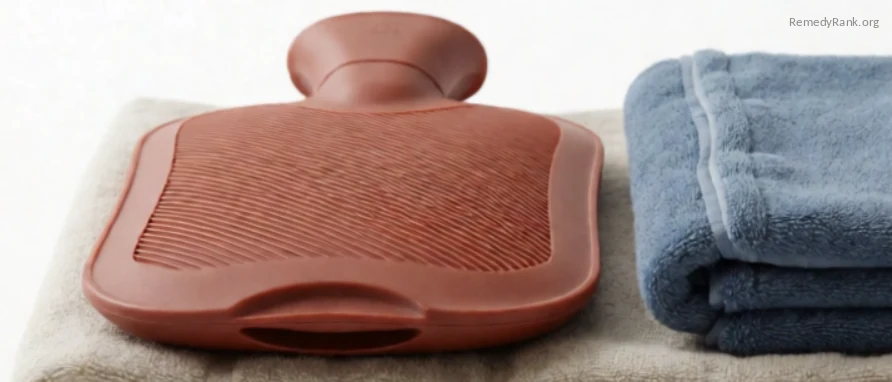
Simple hydrotherapy: warmth relaxes tight muscles while cold calms throbbing and swelling.
 ⤢
⤢📊 How it ranks (our editor score) — 90/100Tap to see the breakdown
🌱 What it is
A warm or cold compress is a cloth or pack, heated or chilled, pressed against the skin over a sore or swollen area.
📜 Where it comes from
Warm and cold compresses are a cornerstone of the water-cure tradition, refined into a formal system of hydrotherapy at nineteenth-century Battle Creek sanitariums such as Battle Creek. Their roots go back much further, to Greco-Roman physicians who prescribed hot and cold applications for pain and swelling, and to countless folk traditions that reached for warmed cloths or cool cloths long before germ theory existed. The basic method has changed little since.
🙏 Begin with prayer
Prayer is the first remedy, not the last resort. Whether you are facing this yourself, caring for someone who is, or simply reading to understand — here is a simple prayer you are welcome to make your own, in your name or in theirs:
Great Physician, thank You for something as simple as warmth and cold, held gently against a sore head or aching throat. Bless this small comfort as I use it, and keep my skin safe from harm. I remember that You are the LORD that healeth thee, so I look past this cloth to You, asking for real relief according to Your good and perfect will. In Jesus' name, Amen.
“And said, If thou wilt diligently hearken to the voice of the LORD thy God, and wilt do that which is right in his sight, and wilt give ear to his commandments, and keep all his statutes, I will put none of these diseases upon thee, which I have brought upon the Egyptians: for I am the LORD that healeth thee.”— Exodus 15:26
🥄 How to use it
Apply a warm cloth to the neck/shoulders for tension, or a cool cloth to the forehead for a pounding headache.
Why it works: Increases circulation and reduces inflammationThe body's natural response to injury — like redness, swelling, or heat around a sore spot. More →.
🔬 Let's get technical
The scientific view, plainly reported. Hover a dotted word for its meaning.
What's in it
Warm and cold compresses have no chemical constituents; the active variable is thermal energy transferred to or away from tissue, applied through a warmed or chilled medium such as a damp cloth or gel pack.
Mechanism of action
Applying heat to tissue causes local , increasing blood flow that delivers oxygen and nutrients while helping clear metabolic byproducts from tight or overworked muscle; the added warmth also increases tissue elasticity and can reduce the perception of stiffness. Cold application does the opposite: it triggers local , slowing blood flow to limit swelling and the inflammatory cascade in freshly injured tissue, and it slows in a way that dulls acute pain signaling and throbbing. Because these effects run in opposite directions, standard first-aid guidance separates them by phase of injury, using cold in the acute window to control inflammation and heat afterward to support blood flow and tissue relaxation, though the underlying physiology (vasodilation versus vasoconstriction, and their downstream effects on swelling and pain) is the same principle applied at two different points in the healing timeline.
Current pharmacological applications
Superficial heat and cold therapy are established components of musculoskeletal first-aid protocols, including the widely taught rest-ice-compression-elevation approach to acute sprains. Physical therapy and sports medicine continue to study optimal timing and duration of thermal application, and evidence on exactly when to transition from cold to heat remains somewhat variable across sources, reflecting the difficulty of controlling for injury type and severity in clinical studies.
Every underlined word is collected on the technical glossary.
⚠️ Cautions
- Protect the skin from extreme temperatures; limit to ~15–20 minutes.
📚 Learn more
💬 Ask Remy about Warm & Cold Compress
📚 Resource confidence
Based on mentions in health references
Your vote is saved. Source endorsement totals come from books and studies (+7 per book, +5 per article). You can change your vote anytime from this device.
💬 Comments & experiences
Share what worked for you — and reply or 👍 like the experiences that resonate. Comments get a quick review before they appear publicly, to keep things safe and honest. Please don't make medical claims.
💚 Have an experience to share? Create a free account to join the conversation — your words might be exactly what someone else needs. Reading is always open to everyone.
Know a remedy like this?
Share a structured suggestion and our team will review it for the site.
Suggest a similar remedy