Therapy
Cold Compress
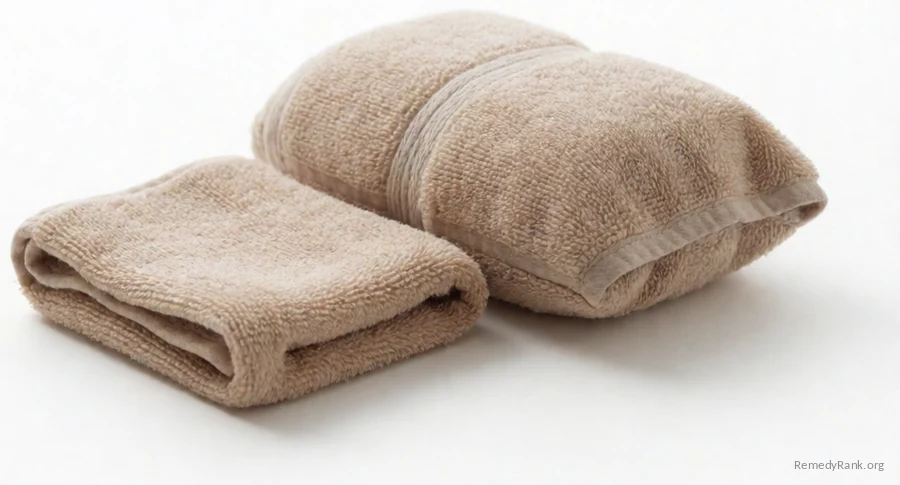
A cool, damp cloth or covered ice pack that calms swelling, itching, and throbbing.
 ⤢
⤢📊 How it ranks (our editor score) — 94/100Tap to see the breakdown
🌱 What it is
A cold compress is a cool, damp cloth or a covered ice pack applied to a sore or swollen area of the body.
📜 Where it comes from
Cold applications for swelling and pain trace back to Greco-Roman physicians who recognized that chilling an injury eased throbbing, and the practice was later organized into a full system of hot and cold water treatments at nineteenth-century Battle Creek sanitariums. Folk traditions across many cultures independently reached for cool cloths, snow, or cold stones for the same purpose. The cold compress remains one of the most universally recognized first-aid measures.
🙏 Begin with prayer
Prayer is the first remedy, not the last resort. Whether you are facing this yourself, caring for someone who is, or simply reading to understand — here is a simple prayer you are welcome to make your own, in your name or in theirs:
Heavenly Father, thank You for something as ordinary as a cool, wrapped cloth, calming swelling, itching, and throbbing pain. Bless it as I hold it gently to my skin. I remember that You are the LORD that healeth thee, so even in this small relief, my hope rests quietly in You. In Jesus' name, Amen.
“And said, If thou wilt diligently hearken to the voice of the LORD thy God, and wilt do that which is right in his sight, and wilt give ear to his commandments, and keep all his statutes, I will put none of these diseases upon thee, which I have brought upon the Egyptians: for I am the LORD that healeth thee.”— Exodus 15:26
🥄 How to use it
Wrap ice or a cold pack in a thin cloth and hold it on the spot for about 10–15 minutes. A clean cloth soaked in cool water works too.
Why it works: Clinicians explain that cold narrows nearby blood vessels, which can reduce swelling and slow the nerve signals that carry pain and itching, giving quick, temporary relief.
🔬 Let's get technical
The scientific view, plainly reported. Hover a dotted word for its meaning.
What's in it
A cold compress supplies no chemical agent, only a temperature gradient: a cool, damp cloth or a covered ice pack draws heat away from the skin and underlying tissue by conduction. The 'active ingredient,' if there is one, is the drop in local tissue temperature itself, typically a few degrees over the 15-to-20-minute application window commonly described in first-aid guidance.
Mechanism of action
Cooling the skin and shallow tissue triggers local , narrowing blood vessels and reducing blood flow to the area, which limits the amount of fluid that leaks from vessels into surrounding tissue and so restrains swelling () after acute injury. Lower tissue temperature also slows in (pain-signaling) fibers, producing a temporary numbing or effect often explained through , in which cold and pressure signals compete with pain signals for transmission. Reduced local temperature further slows cellular metabolic rate and the activity of inflammatory mediators in the immediate area, which is the physiological basis for using cold in the first hours after a sprain or strain rather than heat, which would do the opposite.
Current pharmacological applications
Cold application is a core component of the R.I.C.E. (Rest, Ice, Compression, Elevation) first-aid protocol commonly described for acute sprains and soft-tissue injuries, and it remains standard practice in sports-medicine and emergency first-aid guidance for limiting swelling and pain in the first 24 to 48 hours. Sports-science research on cryotherapy has produced mixed findings on longer-term recovery, however: some studies suggest that suppressing the early inflammatory response with aggressive or prolonged cold exposure may blunt satellite-cell activation and other signaling needed for optimal tissue repair, an area of active investigation rather than settled science. Cold compresses are separately studied and used for symptomatic relief of itching, throbbing headache, and post-procedural swelling, generally on the same and nerve-slowing basis.
Every underlined word is collected on the technical glossary.
⚠️ Cautions
- Never put ice straight on bare skin — always wrap it first.
- Limit to about 15 minutes at a time to protect the skin.
- Give the skin a rest between cold applications.
📚 Learn more
🌿 Deeper natural detail
🔎 What this addresses
Where Cold Compress fits into a condition's cause-and-symptom picture — some conditions it works on the root cause of, others it mainly soothes.
Eases the symptoms of
For these, it calms the condition without addressing what drives it.
- Eczema — A cool, damp compressA cloth soaked in warm or cold liquid, held on the skin. How to make a compress → eases the itch and helps break the scratch-and-damage cycle, without any product at all.
💬 Ask Remy about Cold Compress
📚 Resource confidence
Based on mentions in health references
Your vote is saved. Source endorsement totals come from books and studies (+7 per book, +5 per article). You can change your vote anytime from this device.
💬 Comments & experiences
Share what worked for you — and reply or 👍 like the experiences that resonate. Comments get a quick review before they appear publicly, to keep things safe and honest. Please don't make medical claims.
💚 Have an experience to share? Create a free account to join the conversation — your words might be exactly what someone else needs. Reading is always open to everyone.
Know a remedy like this?
Share a structured suggestion and our team will review it for the site.
Suggest a similar remedy