Therapy
Aloe Vera Gel
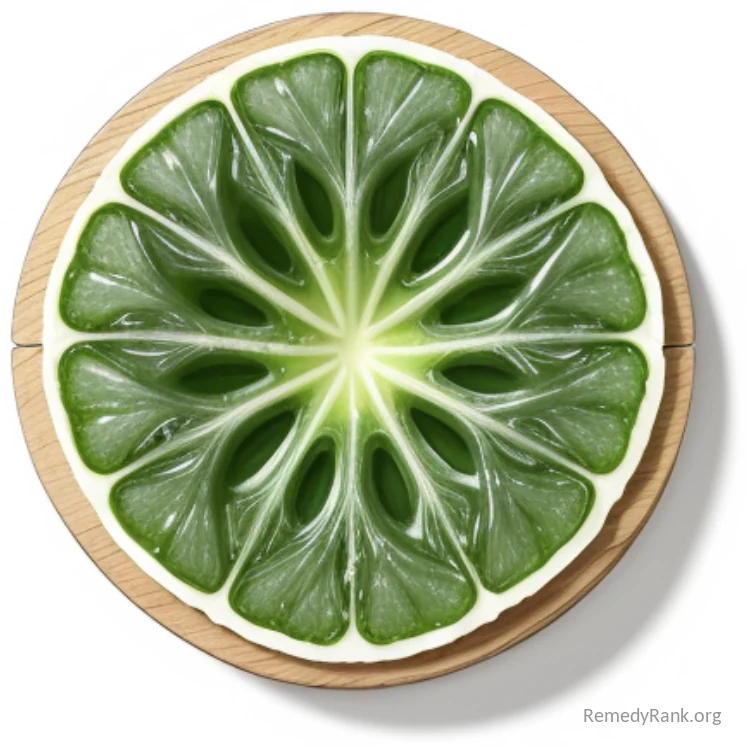
The cool, clear gel inside an aloe leaf soothes sunburned, scraped, or dry skin.
 ⤢
⤢📊 How it ranks (our editor score) — 92/100Tap to see the breakdown
🌱 What it is
Aloe vera is a thick, pointed succulent. Snap a leaf open and you find a clear, cooling gel inside that feels wonderful on the skin.
📜 Where it comes from
Aloe vera has one of the oldest documented histories of any plant remedy, appearing in ancient Egyptian medical texts as a skin-healing plant and used by Greco-Roman physicians including Dioscorides for wounds and burns. Various African and Middle Eastern traditions likewise kept aloe as a household plant for its cooling gel. It spread as a common windowsill remedy across cultures that valued having fresh relief for burns and scrapes close at hand.
✨ Why it's good for you
- The gel cools and calms sunburned or irritated skin
- Helps dry skin feel soft and comforted
- A gentle, plant-based helper you can grow on a windowsill
🙏 Begin with prayer
Prayer is the first remedy, not the last resort. Whether you are facing this yourself, caring for someone who is, or simply reading to understand — here is a simple prayer you are welcome to make your own, in your name or in theirs:
Creator God, thank You for the cool, clear gel hidden inside an ordinary aloe leaf, ready to soothe sunburned or scraped skin. Bless it as I apply it gently, and keep me watchful for any wound too deep for home care. Your word tells of leaves given for the healing of the nations, and I trust that same kind hand to comfort this small hurt today. In Jesus' name, Amen.
“In the midst of the street of it, and on either side of the river, was there the tree of life, which bare twelve manner of fruits, and yielded her fruit every month: and the leaves of the tree were for the healing of the nations.”— Revelation 22:2
🥄 How to use it
Snap a leaf and apply the fresh gelA cool, jelly-like preparation that soothes and moisturizes skin. How to make a gel →, or use a pure aloe gel, to clean skin a few times a day. Keep a plant on the windowsill for quick relief.
How much: For the skin, apply a thin layer of the clear gel 2–3 times a day to clean, intact skin. Use only the clear inner gelA cool, jelly-like preparation that soothes and moisturizes skin. How to make a gel → — not the bitter yellow latex just under the leaf skin.
Why it works: Soothing and hydrating.
Show full details & how to prepare it
Aloe vera is the friendly succulent so many people keep on a windowsill, and for good reason: the clear, cool gelA cool, jelly-like preparation that soothes and moisturizes skin. How to make a gel → inside its thick leaves is one of the most soothing things you can put on minor sunburn, scrapes, and dry, irritated skin. The gel is mostly water held in a soothing matrix, so it hydrates while it calms, and it has been studied for helping minor burns feel better and settle faster.
The key is to use the right part. The clear inner gelA cool, jelly-like preparation that soothes and moisturizes skin. How to make a gel → is the soothing treasure; the thin layer of yellow sap (the latex) right under the green skin is bitter and can irritate, so scrape the gel clean of it. Fresh from the leaf is lovely, but a pure, additive-free aloe product works well too — just avoid ones loaded with alcohol or dye.
Aloe is for outside use on minor, intact skin. Keep it off deep, infected, or seriously burned wounds, which need a doctor's care, and try a small test patch first if your skin is sensitive.
Ways to prepare it
🔬 Let's get technical
The scientific view, plainly reported. Hover a dotted word for its meaning.
What's in it
The clear inner gel of the aloe leaf is roughly 99 percent water, but the remaining fraction carries a distinctive mix of — most notably acemannan, a long-chain acetylated mannan — along with smaller , and lower-molecular-weight compounds including some anthraquinone derivatives such as emodin, which are more concentrated in the leaf's outer latex layer than in the gel itself. Commercial gel and latex products can vary substantially in how much of each fraction they retain depending on processing.
Mechanism of action
Acemannan and related aloe appear to act largely through immune-signaling pathways rather than as simple physical barriers: laboratory studies describe acemannan stimulating production in cell lines and promoting dendritic cell maturation, while another aloe-derived polysaccharide fraction, sometimes called aloeride, has been reported to enhance signaling as part of a broader immunostimulatory effect. Separately, aloe polysaccharides have been shown in tissue studies to reduce inflammatory signaling associated with in skin , and to lower expression of and enzymes in gastric tissue models, mechanisms proposed to underlie the gel's traditional use on irritated or damaged skin and mucosa. The emodin fraction, studied mostly in cancer cell lines, has been shown to trigger through p53- and p21-dependent pathways, a mechanism distinct from aloe gel's topical soothing effects and not established as clinically relevant at typical topical exposure levels.
Current pharmacological applications
Clinical research on topical aloe gel has focused mainly on burns and minor skin injury, with NCCIH noting that it may speed healing and reduce pain from burns, and that small studies suggest a possible benefit for acne when combined with other treatments. Interest in aloe for genital herpes, psoriasis, and oral mucositis following chemotherapy or radiation also exists in the research literature, though NCCIH characterizes the evidence base for most of these uses as insufficient to draw firm conclusions. Oral aloe preparations have been studied for modest effects on blood sugar and body weight in some populations, an area still considered preliminary.
Every underlined word is collected on the technical glossary.
⚠️ Cautions
- For outside use on skin; don't apply to deep or infected wounds.
- Rarely, some people are sensitive to it — try a small spot first.
- Choose pure gel without added alcohol or dyes.
📚 Learn more
🌿 Deeper natural detail
🩺 The conventional view
🔎 What this addresses
Where Aloe Vera Gel fits into a condition's cause-and-symptom picture — some conditions it works on the root cause of, others it mainly soothes.
Eases the symptoms of
For these, it calms the condition without addressing what drives it.
- Eczema — Aloe vera gelA cool, jelly-like preparation that soothes and moisturizes skin. How to make a gel → is a traditional cooling remedy for irritated skin; evidence for eczema specifically is thin, more traditional than tested.
💬 Ask Remy about Aloe Vera Gel
📚 Resource confidence
Based on mentions in health references
Your vote is saved. Source endorsement totals come from books and studies (+7 per book, +5 per article). You can change your vote anytime from this device.
💬 Comments & experiences
Share what worked for you — and reply or 👍 like the experiences that resonate. Comments get a quick review before they appear publicly, to keep things safe and honest. Please don't make medical claims.
💚 Have an experience to share? Create a free account to join the conversation — your words might be exactly what someone else needs. Reading is always open to everyone.
Know a remedy like this?
Share a structured suggestion and our team will review it for the site.
Suggest a similar remedy