Practice
Rest & Sleep
Deep, regular sleep is when the body repairs itself and the immune system does its best work.
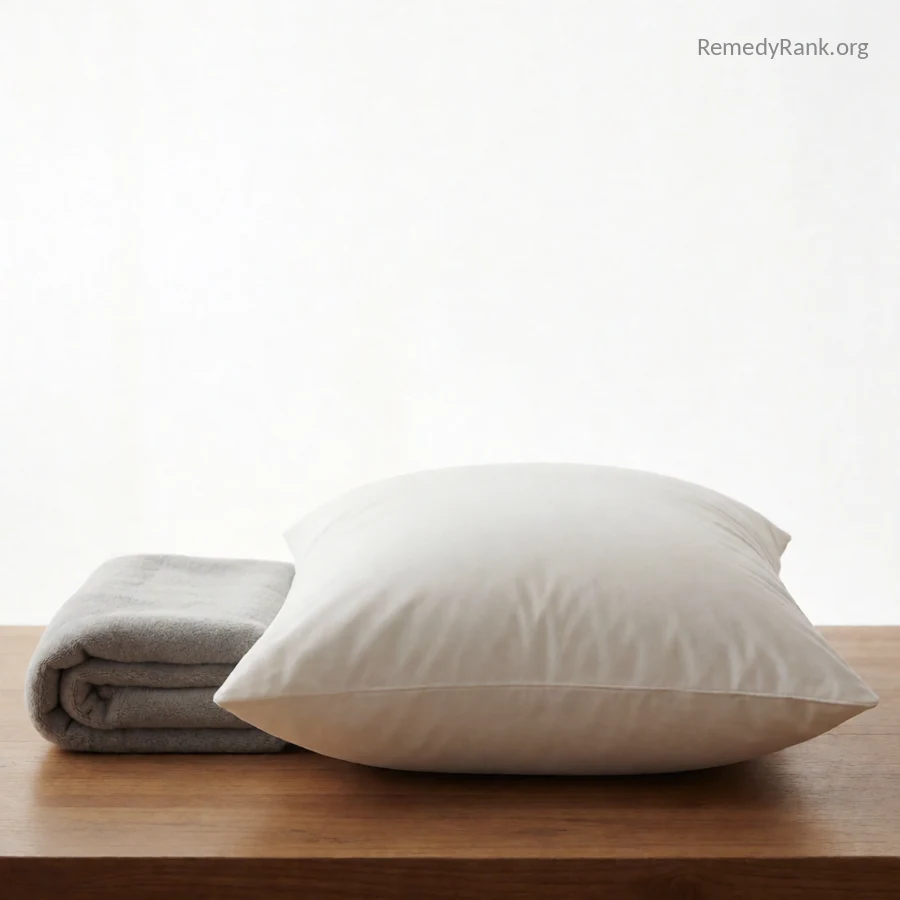 ⤢
⤢📊 How it ranks (our editor score) — 97/100Tap to see the breakdown
🌱 What it is
Rest and sleep means getting consistent, adequate nightly sleep along with periods of daytime rest.
📜 Where it comes from
The Battle Creek health reform movement placed regular rest alongside fresh air and simple diet as a pillar of good living, and Battle Creek sanitarium staff urged patients toward consistent early sleep. Long before that, folk wisdom across cultures tied dawn-to-dusk rhythms to health, and the Bible itself commends sleep as a gift and rest as a command built into creation. Modern sleep science has only deepened this old instinct toward regular, unhurried rest.
🙏 Begin with prayer
Prayer is the first remedy, not the last resort. Whether you are facing this yourself, caring for someone who is, or simply reading to understand — here is a simple prayer you are welcome to make your own, in your name or in theirs:
Lord, thank You for designing this body to rest and mend itself in sleep. Tonight I ask Your blessing on this quiet gift, that it would restore me as You intended. Quiet my racing thoughts, and grant me wisdom to keep good rhythms of rest. If sleep is slow to come, grant me patience, and if worries linger, please carry them for me tonight. In Jesus' name, Amen.
“Come unto me, all ye that labour and are heavy laden, and I will give you rest.”— Matthew 11:28
🥄 How to use it
Aim for 7–9 hours on a regular schedule. Dim lights and screens an hour before bed; keep the room cool and dark.
Why it works: Sleep researchers point to deep sleep as the period when the brain clears waste products and the body repairs tissue and consolidates memory, while the immune systemYour body's built-in defense team that fights off germs and helps you heal. More → also does much of its quiet, restorative work during those hours.
🔬 Let's get technical
The scientific view, plainly reported. Hover a dotted word for its meaning.
What's in it
Sleep is a physiological state rather than a chemical constituent, but it is orchestrated by an interacting set of internal signaling molecules: from the pineal gland marks circadian timing, adenosine accumulates through the day to build sleep pressure, and growth hormone and various are released in pulses tied to specific sleep stages. , by contrast, is normally suppressed overnight and rises toward waking.
Mechanism of action
Sleep architecture cycles through non-REM stages of progressively deeper slow-wave activity and REM stages marked by fast, low-amplitude brain waves and most dreaming; each stage carries out different restorative work. During deep non-REM sleep, growth hormone pulses support tissue repair and muscle recovery, while immune cells produce that coordinate the body's inflammatory and infection-fighting response. The circadian clock, entrained largely by light exposure to the retina, times release to align sleep with the day-night cycle, and disrupting that alignment measurably alters glucose regulation and appetite hormones. Memory consolidation, particularly the transfer of newly learned material into longer-term storage, is also concentrated in specific non-REM and REM phases, giving sleep a distinct cognitive as well as physical restorative role.
Current pharmacological applications
Sleep medicine uses to characterize stage architecture in research and diagnosis of disorders such as insomnia, sleep apnea, and disruption. Epidemiological studies link chronic short sleep to altered immune markers, glucose metabolism, and cardiovascular risk, an active area of ongoing research rather than settled cause-and-effect. Sleep-stage and data are also used in shift-work and jet-lag research, informing broader public-health interest in circadian regularity.
Every underlined word is collected on the technical glossary.
⚠️ Cautions
- Ongoing insomnia or loud snoring paired with daytime sleepiness can be signs of sleep apnea or another sleep disorder, which clinicians typically evaluate with a sleep study.
📚 Learn more
🌿 Deeper natural detail
Curated links coming for this one.
💬 Ask Remy about Rest & Sleep
📚 Resource confidence
Based on mentions in health references
Your vote is saved. Source endorsement totals come from books and studies (+7 per book, +5 per article). You can change your vote anytime from this device.
💬 Comments & experiences
Share what worked for you — and reply or 👍 like the experiences that resonate. Comments get a quick review before they appear publicly, to keep things safe and honest. Please don't make medical claims.
💚 Have an experience to share? Create a free account to join the conversation — your words might be exactly what someone else needs. Reading is always open to everyone.
Know a remedy like this?
Share a structured suggestion and our team will review it for the site.
Suggest a similar remedy