Herb
Skullcap
A traditional calming nervine herb, used for occasional anxiousness and to help ease into sleep.
 ⤢
⤢📊 How it ranks (our editor score) — 55/100Tap to see the breakdown
🌱 What it is
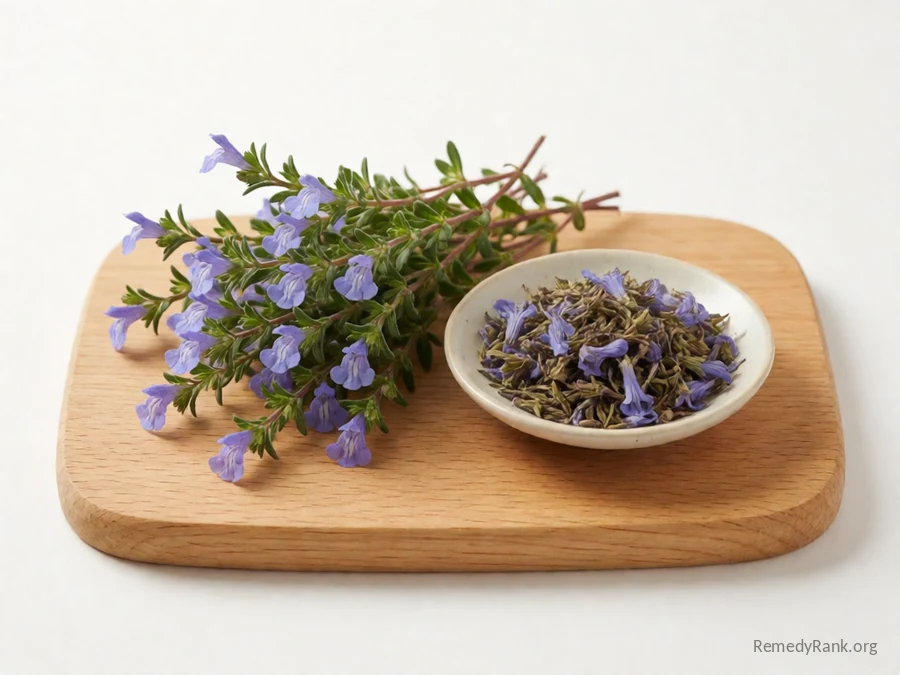
Skullcap is a small flowering plant in the mint family, named for the shape of its blossom, which resembles a tiny helmet. Its leaves have long been brewed as a calming tea or made into extracts, valued as a gentle nervine... but sourcing matters a great deal, since skullcap products have a history of being mixed with a harmful look-alike plant.
📜 Where it comes from
Skullcap is a small mint-family plant native to North America, and it was used by Native American nations, including the Cherokee, as a calming remedy for nervous conditions and to ease into rest. Nineteenth-century American eclectic physicians adopted skullcap as a nervine and included it in their botanical formularies. Modern herbalists have raised concerns about adulteration in the commercial supply, since skullcap is sometimes mixed with or substituted by a liver-toxic look-alike plant.
✨ Why it's good for you
- Traditionally used to support calm during occasional anxiousness
- Traditionally used to support the transition into restful sleep
- Traditionally used to support a relaxed mind after a stressful day
- Traditionally used to support gentle nervous-system calm
🥗 Nutrition
Per 1 cup brewed tea (240ml) · about 2 calories
- Baicalin (flavonoid)
- Antioxidants
- Negligible macronutrients
Source: Nutrition estimate (per typical serving)
🥄 How to use it
Taken as a teaA warm drink made by steeping herbs in hot water. How to make a tea → or standardized extract from a reputable source, generally in the evening.
How much: Follow the product label; as a teaA warm drink made by steeping herbs in hot water. How to make a tea →, steep 1-2 teaspoons of dried herbA plant, or part of one, used for flavor, food, or gentle health support. More → in hot water for 10 minutes, once or twice in the evening.
Why it works: Used for anxiety and nervous tension.
Show full details & how to prepare it
Skullcap has a long folk-medicine history as a gentle nerve-calming herbA plant, or part of one, used for flavor, food, or gentle health support. More →, but the herbal supply chain for it has a documented, recurring problem: some products are adulterated with germander, a genuinely liver-toxic plant that looks similar in processed form. This means the safety of skullcap depends heavily on sourcing from a reputable, third-party-tested supplier... it is not simply 'a gentle herb' in the way chamomile or lemon balm are, and it deserves that extra caution.
Ways to prepare it
⚠️ Cautions
- Skullcap products have repeatedly been found adulterated with germander, a related plant linked to serious liver damage... sourcing from a well-tested, reputable brand matters a great deal here.
- Can add to drowsiness from alcohol or sedative medicines; avoid in pregnancy, breastfeeding, and with any liver condition, and stop right away if signs of liver trouble appear (dark urine, yellowing, right-upper-belly pain).
📚 Learn more
🌿 Deeper natural detail
Curated links coming for this one.
🩺 The conventional view
💬 Ask Remy about Skullcap
📚 Resource confidence
Based on mentions in health references
Your vote is saved. Source endorsement totals come from books and studies (+7 per book, +5 per article). You can change your vote anytime from this device.
💬 Comments & experiences
Share what worked for you — and reply or 👍 like the experiences that resonate. Comments get a quick review before they appear publicly, to keep things safe and honest. Please don't make medical claims.
💚 Have an experience to share? Create a free account to join the conversation — your words might be exactly what someone else needs. Reading is always open to everyone.
Know a remedy like this?
Share a structured suggestion and our team will review it for the site.
Suggest a similar remedy