Herb
Solomon's Seal
A traditional herbalist root for strained joints, tendons, and ligaments, used mostly as a topical liniment or tea with little modern clinical study.
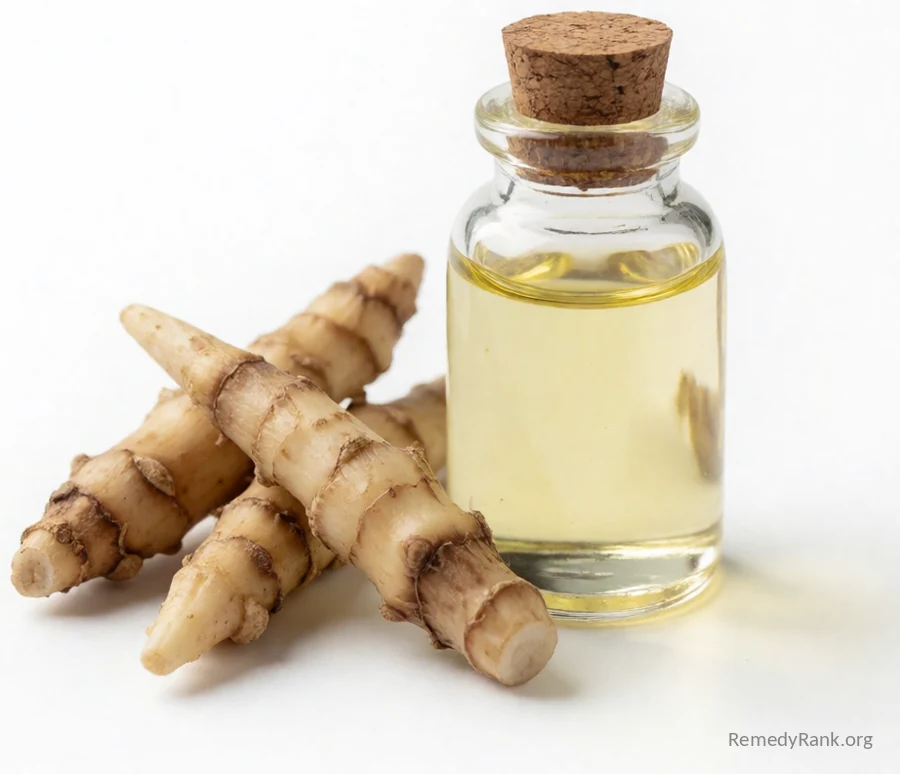 ⤢
⤢📊 How it ranks (our editor score) — 49/100Tap to see the breakdown
🌱 What it is
Solomon's seal (Polygonatum biflorum and related species) is a woodland perennial whose rhizome (root) has long been used in Western and Chinese herbal traditions to soothe overworked joints and connective tissue.
📜 Where it comes from
Solomon's seal takes its name from old legends about the biblical King Solomon and the seal-like scars left on its rhizome, and it appears in European herbals from the medieval period onward as a remedy for bruises, sprains, and joint strains. A related species has long been used in Traditional Chinese Medicine as a tonic root. Western herbalists carried its use into modern practice mainly as a topical liniment or tea for strained connective tissue.
✨ Why it's good for you
- Traditionally used as a rub for sprains, strains, and overused tendons
- Folk remedy for general joint stiffness after activity
- Long history in both Western and Chinese herbal traditions
🥄 How to use it
The dried root is typically simmered into a teaA warm drink made by steeping herbs in hot water. How to make a tea →, tinctured in alcohol, or infused into an oil/liniment that's rubbed over a strained joint or tendon a few times a day. It is not typically used as fresh raw plant material.
How much: As a topicalSomething you put on your skin rather than swallow. More → liniment, apply a small amount to the affected area up to a few times daily; as teaA warm drink made by steeping herbs in hot water. How to make a tea →, traditional use is one cup, occasionally, not daily long-term.
Why it works: Herbalists traditionally credit it with soothing connective tissue after strain, though the mechanism is not established in clinical research.
⚠️ Cautions
- The berries of Solomon's seal are toxic and should never be eaten
- Large or long-term internal doses of the root can cause nausea or stomach upset
- Not well studied in pregnancy or breastfeeding... avoid
- A joint injury with significant swelling, inability to bear weight, or lasting pain needs a doctor... this only supports comfort
📚 Learn more
🌿 Deeper natural detail
🩺 The conventional view
Curated links coming for this one.
💬 Ask Remy about Solomon's Seal
📚 Resource confidence
Based on mentions in health references
Your vote is saved. Source endorsement totals come from books and studies (+7 per book, +5 per article). You can change your vote anytime from this device.
💬 Comments & experiences
Share what worked for you — and reply or 👍 like the experiences that resonate. Comments get a quick review before they appear publicly, to keep things safe and honest. Please don't make medical claims.
💚 Have an experience to share? Create a free account to join the conversation — your words might be exactly what someone else needs. Reading is always open to everyone.
Know a remedy like this?
Share a structured suggestion and our team will review it for the site.
Suggest a similar remedy