Herb
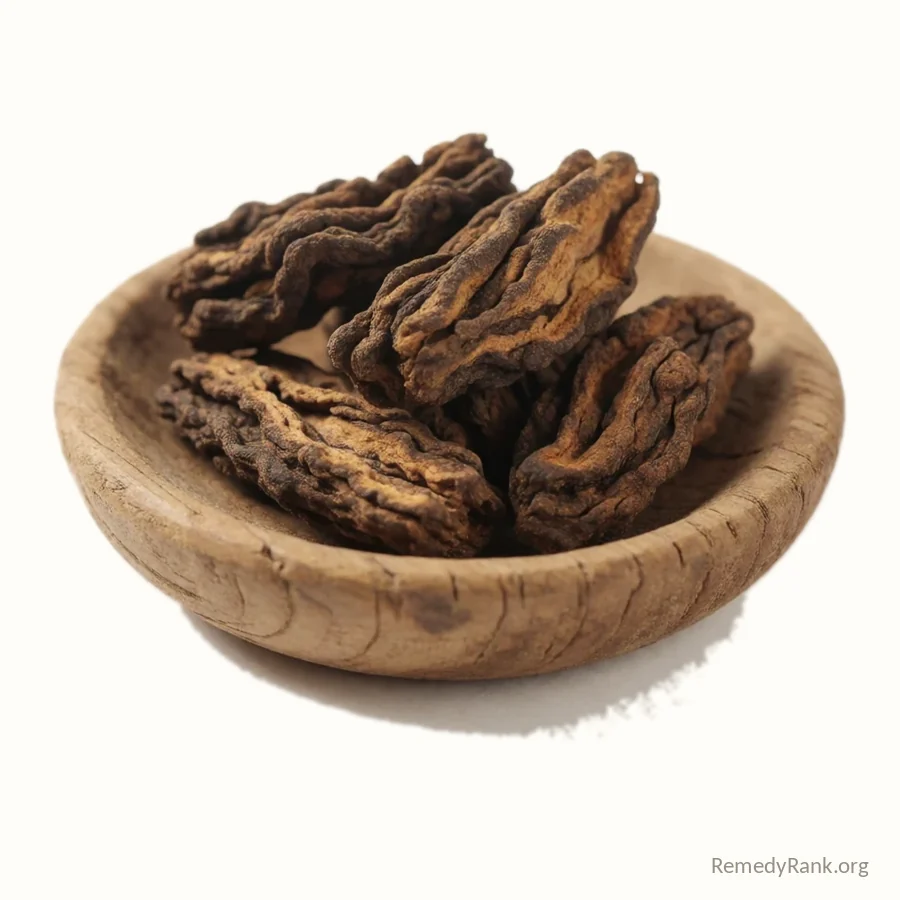
Osha Root
A traditional Rocky Mountain herb long used by folk and Native herbalists for coughs and sore throats.
 ⤢
⤢📊 How it ranks (our editor score) — 54/100Tap to see the breakdown
🌱 What it is
Osha (Ligusticum porteri) is a wild root native to the high Rocky Mountains, traditionally chewed, made into tea, or tinctured for chest and throat complaints.
📜 Where it comes from
Osha root has long been gathered from the high slopes of the Rocky Mountains by Native American peoples, including the Navajo and other Southwestern tribes, who chewed the root or brewed it for coughs, sore throats, and respiratory complaints. Frontier and folk herbalists of the American West adopted the practice from these Native traditions. It remains a favorite in Western herbal medicine today, though wild populations are harvested carefully due to slow growth.
✨ Why it's good for you
- Traditionally used for coughs, sore throat, and chest congestion
- May help support comfort during colds and mild bronchial irritation
- Long-standing folk reputation among Rocky Mountain herbalists
🥄 How to use it
Use a small amount of tinctureA concentrated herbal extract made with alcohol. How to make a tincture → in water, or a teaA warm drink made by steeping herbs in hot water. How to make a tea → made from the dried root, at the first sign of a cough or scratchy throat. Traditional use is short-term, a few days at a time, rather than daily.
How much: A few drops to 1/2 teaspoon of tinctureA concentrated herbal extract made with alcohol. How to make a tincture → in water, up to 3 times daily, or a weak teaA warm drink made by steeping herbs in hot water. How to make a tea →, used for a few days during acute symptoms.
Why it works: Osha's aromatic compounds are traditionally thought to loosen mucus and soothe irritated airways, though modern research on this is limited.
⚠️ Cautions
- Wild osha is frequently misidentified with poisonous look-alikes such as poison hemlock and water hemlock... buy only from a reputable, correctly identified source, and never forage it yourself unless expertly trained
- Osha is slow-growing and at risk in the wild; overharvesting is a real concern, so look for cultivated or ethically wildcrafted sources
- Avoid in pregnancy; traditional sources caution against use due to possible uterine-stimulant effects
- Not intended for long-term daily use
- A cough with high fever, chest pain, or breathing difficulty needs a doctor... this supports comfort, it does not treat infection.
📚 Learn more
🌿 Deeper natural detail
🩺 The conventional view
Curated links coming for this one.
💬 Ask Remy about Osha Root
📚 Resource confidence
Based on mentions in health references
Your vote is saved. Source endorsement totals come from books and studies (+7 per book, +5 per article). You can change your vote anytime from this device.
💬 Comments & experiences
Share what worked for you — and reply or 👍 like the experiences that resonate. Comments get a quick review before they appear publicly, to keep things safe and honest. Please don't make medical claims.
💚 Have an experience to share? Create a free account to join the conversation — your words might be exactly what someone else needs. Reading is always open to everyone.
Know a remedy like this?
Share a structured suggestion and our team will review it for the site.
Suggest a similar remedy