Herb
Lungwort
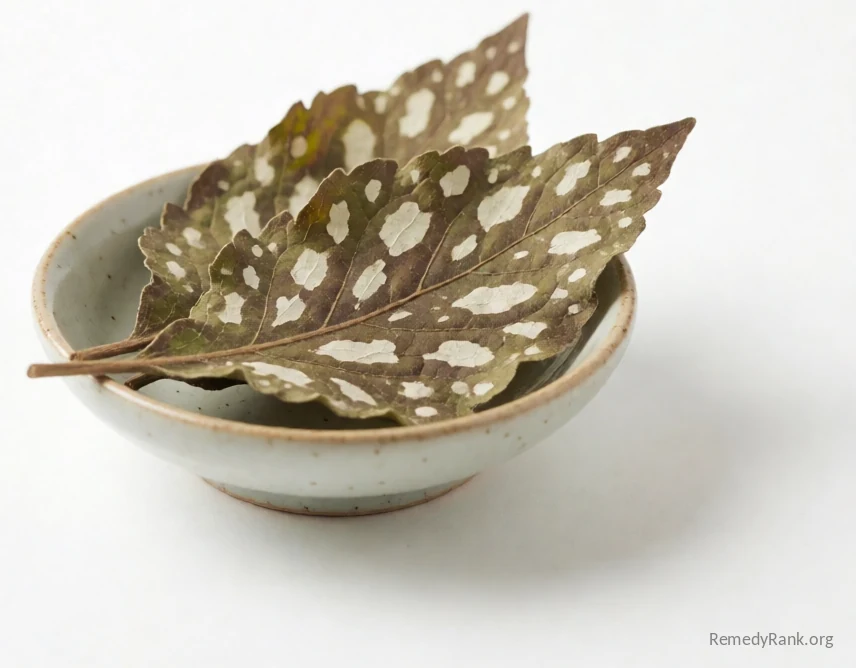
Lungwort is a spotted-leaf woodland herb long used in folk tradition as a soothing tea for coughs and chest complaints.
 ⤢
⤢📊 How it ranks (our editor score) — 57/100Tap to see the breakdown
🌱 What it is
Lungwort (Pulmonaria officinalis) is a European woodland plant whose white-spotted leaves reminded early herbalists of lung tissue, leading to centuries of traditional use for respiratory comfort.
📜 Where it comes from
Lungwort's spotted leaves led medieval European herbalists, following the old doctrine of signatures, to believe the plant was meant by nature to treat lung ailments, since its markings resembled diseased lung tissue. This belief carried the herb into centuries of European folk use as a soothing tea for coughs and chest complaints. It remained a fixture of Western herbal materia medica well into the modern era.
✨ Why it's good for you
- Traditionally used as a soothing tea for a scratchy throat and mild cough
- Long history in European folk herbalism for chest comfort
- Often blended with other soothing herbs like mullein or thyme
🥄 How to use it
Steep 1-2 teaspoons of dried lungwort leaf in hot water for 10 minutes and drink up to 2-3 cups a day as a soothing teaA warm drink made by steeping herbs in hot water. How to make a tea →, or use a prepared tinctureA concentrated herbal extract made with alcohol. How to make a tincture → per label directions.
How much: 1-2 tsp dried leaf per cup of hot water, steeped 10 minutes, up to 2-3 cups daily.
Why it works: Traditionally considered a mild demulcent and expectorant thought to soothe irritated throat tissue and help loosen mucus, though modern clinical evidence is minimal.
⚠️ Cautions
- Traditional use only... the evidence is folkloric, not clinical, so keep expectations modest
- A cough with fever, chest pain, or one lasting more than 2-3 weeks needs a doctor... this supports comfort, it does not treat infection
- Not recommended during pregnancy or breastfeeding due to insufficient safety data
- Purchase from a reputable source... lungwort's common name is shared by unrelated spotted-leaf plants
- Lungwort belongs to the borage family (Boraginaceae), some members of which contain liver-toxic pyrrolizidine alkaloids... those with liver disease should avoid prolonged daily use and buy from a source that tests for purity.
📚 Learn more
🌿 Deeper natural detail
🩺 The conventional view
Curated links coming for this one.
💬 Ask Remy about Lungwort
📚 Resource confidence
Based on mentions in health references
Your vote is saved. Source endorsement totals come from books and studies (+7 per book, +5 per article). You can change your vote anytime from this device.
💬 Comments & experiences
Share what worked for you — and reply or 👍 like the experiences that resonate. Comments get a quick review before they appear publicly, to keep things safe and honest. Please don't make medical claims.
💚 Have an experience to share? Create a free account to join the conversation — your words might be exactly what someone else needs. Reading is always open to everyone.
Know a remedy like this?
Share a structured suggestion and our team will review it for the site.
Suggest a similar remedy