Food
Dragon Fruit
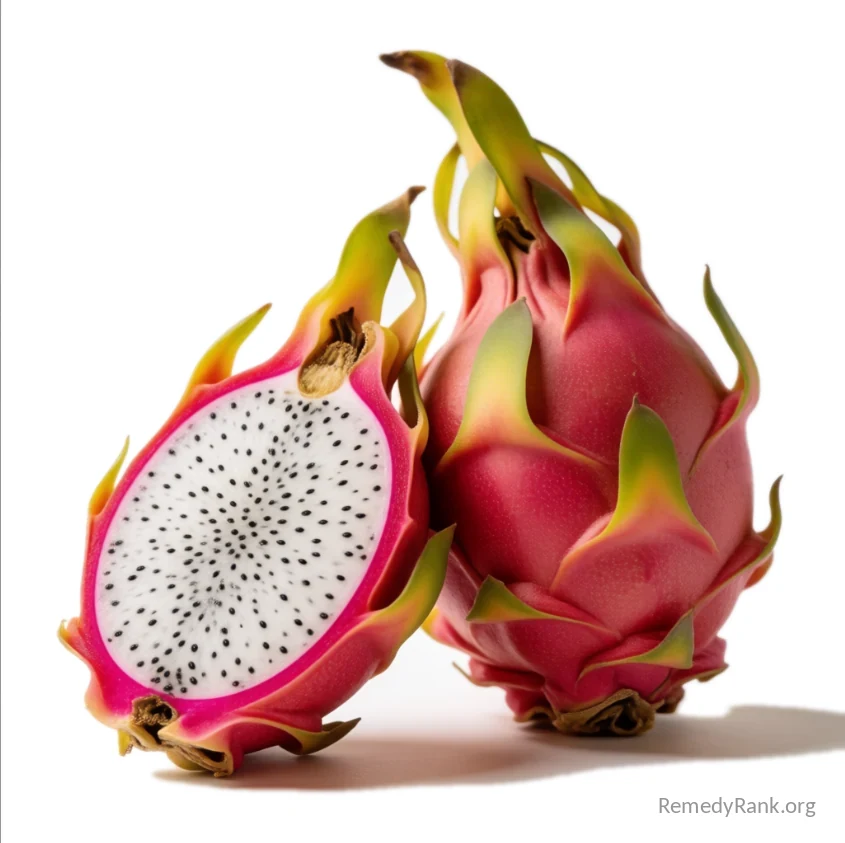
Dragon fruit is a mildly sweet, low-calorie cactus fruit whose fiber and plant compounds are studied for gut and blood-sugar support.
 ⤢
⤢📊 How it ranks (our editor score) — 74/100Tap to see the breakdown
🌱 What it is
Dragon fruit (pitaya) is the vividly colored fruit of a climbing cactus, eaten fresh for its mild sweetness and crunchy, seed-flecked flesh. Both red- and white-fleshed varieties are used similarly.
📜 Where it comes from
Dragon fruit, or pitaya, comes from a climbing cactus native to Central America that was carried by traders to Southeast Asia, where it became widely cultivated and embraced in local cuisine. It remained primarily a regional tropical fruit until global trade in the late 20th century made it more widely available. Modern nutrition research has since taken an interest in its fiber and plant compounds.
✨ Why it's good for you
- May help support regularity thanks to its fiber content
- Prebiotic-like fibers are studied for feeding beneficial gut bacteria
- A hydrating, low-calorie way to add antioxidants to the diet
- Traditionally valued as a refreshing, cooling fruit in tropical cultures
🥄 How to use it
Halve and scoop the flesh with a spoon, or cube it into fruit salads and smoothies. Chilled dragon fruit is also blended into bowls topped with granola and other fruit.
How much: 1 cup (about 150 g) of cubed flesh a few times a week is a typical serving.
Why it works: Its fiber, prebiotic oligosaccharides, and antioxidantA helpful substance in colorful fruits and vegetables that protects your cells from everyday wear and tear. More → pigments are thought to support digestionHow your body breaks food down into pieces small enough to use for energy. More → and gut bacteria, though most evidence is preliminary.
⚠️ Cautions
- Red-fleshed varieties can turn urine or stool pink-red... harmless, but easy to mistake for blood; see a doctor if unsure.
- Rare allergic reactions (mouth tingling, hives) have been reported.
- People with diabetes should count it toward carbohydrate intake, since it does contain natural sugars.
📚 Learn more
🌿 Deeper natural detail
🩺 The conventional view
Curated links coming for this one.
💬 Ask Remy about Dragon Fruit
📚 Resource confidence
Based on mentions in health references
Your vote is saved. Source endorsement totals come from books and studies (+7 per book, +5 per article). You can change your vote anytime from this device.
💬 Comments & experiences
Share what worked for you — and reply or 👍 like the experiences that resonate. Comments get a quick review before they appear publicly, to keep things safe and honest. Please don't make medical claims.
💚 Have an experience to share? Create a free account to join the conversation — your words might be exactly what someone else needs. Reading is always open to everyone.
Know a remedy like this?
Share a structured suggestion and our team will review it for the site.
Suggest a similar remedy