Exercise
Outdoor Walking
A brisk daily walk in fresh air lifts mood, lowers blood pressure, and aids digestion and sleep.
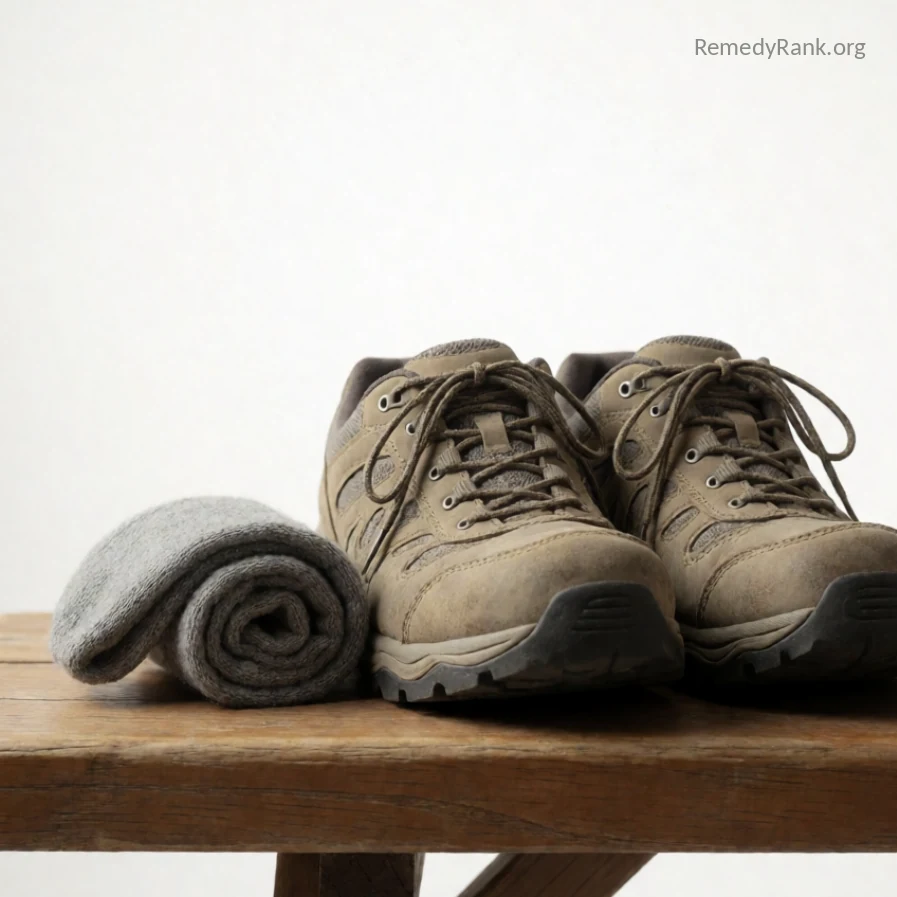 ⤢
⤢📊 How it ranks (our editor score) — 93/100Tap to see the breakdown
🌱 What it is
Outdoor walking is simply a brisk daily walk taken in the fresh air.
📜 Where it comes from
Walking outdoors for health was a formal teaching of the nineteenth-century Battle Creek sanitarium movement, whose 'fresh air and exercise' principle sent patients at Battle Creek out onto walking paths as part of their treatment. The idea itself is far older, with Greco-Roman physicians like Hippocrates recommending walking as the best medicine for nearly every complaint. It has remained one of the simplest and most consistently recommended health habits across centuries.
🙏 Begin with prayer
Prayer is the first remedy, not the last resort. Whether you are facing this yourself, caring for someone who is, or simply reading to understand — here is a simple prayer you are welcome to make your own, in your name or in theirs:
Creator God, thank You for fresh air, open sky, and legs still able to carry me down the road. Bless this walk as I take it, lifting my mood and steadying my breathing and my heart. Those who wait on You renew their strength and walk and do not faint, so keep pace with me today, and give me wisdom to move this body You made. In Jesus' name, Amen.
“But they that wait upon the LORD shall renew their strength; they shall mount up with wings as eagles; they shall run, and not be weary; and they shall walk, and not faint.”— Isaiah 40:31
🥄 How to use it
Aim for 20–40 minutes most days, ideally in morning sunlight. Start gently and build up.
Why it works: Exercise scientists explain that brisk walking raises heart rate and circulation gently, helps regulate blood pressure over time, stimulates digestionHow your body breaks food down into pieces small enough to use for energy. More →, and encourages the kind of physical tiredness that supports deeper sleep at night.
🔬 Let's get technical
The scientific view, plainly reported. Hover a dotted word for its meaning.
What's in it
Outdoor walking isn't a compound but a bundle of physiological inputs: rhythmic contraction of large leg and core muscles, elevated pulmonary ventilation and cardiac output, and ambient daylight striking the retina. Muscular effort raises circulating (epinephrine and norepinephrine) and beta-, while daylight exposure supplies the blue-wavelength light that helps set the suprachiasmatic nucleus's circadian clock. None of these act like a drug's single active ingredient; the benefit comes from their combination and repetition.
Mechanism of action
Repeated muscle contraction increases shear stress on the vascular , which up-regulates and produces a mild, that can modestly lower resting blood pressure over weeks of regular practice. Contracting skeletal muscle also drives glucose into cells through GLUT4 transporter translocation by an insulin-independent pathway, which is one reason walking soon after a meal blunts the . Sustained aerobic effort raises parasympathetic (vagal) tone once the walk ends, evidenced by a lower resting heart rate and higher heart-rate variability in habitual walkers. The and monoamine release associated with aerobic activity is also implicated in the short-term mood lift many people report, and daylight-entrained circadian signaling helps consolidate nighttime sleep architecture.
Current pharmacological applications
Regular brisk walking is the most heavily studied form of moderate-intensity aerobic activity in population health research, and it underlies national physical-activity guidelines (such as the 150-minutes-per-week moderate-activity benchmark referenced by public-health bodies) for supporting cardiovascular, metabolic, and mood-related outcomes. Epidemiological cohort studies associate habitual walking with lower rates of hypertension, type 2 diabetes, and all-cause mortality, though as observational data these findings show association more than proof of causation for any single individual. Clinical trials of walking as an adjunct intervention for depression and anxiety report modest, generally short-term effect sizes, and researchers continue to study optimal dose, intensity, and outdoor-versus-indoor comparisons.
Every underlined word is collected on the technical glossary.
⚠️ Cautions
- People with heart or joint conditions are more likely to experience strain from a sudden increase in activity, so exercise guidance generally recommends starting gently and building up gradually.
📚 Learn more
🌿 Deeper natural detail
💬 Ask Remy about Outdoor Walking
📚 Resource confidence
Based on mentions in health references
Your vote is saved. Source endorsement totals come from books and studies (+7 per book, +5 per article). You can change your vote anytime from this device.
💬 Comments & experiences
Share what worked for you — and reply or 👍 like the experiences that resonate. Comments get a quick review before they appear publicly, to keep things safe and honest. Please don't make medical claims.
💚 Have an experience to share? Create a free account to join the conversation — your words might be exactly what someone else needs. Reading is always open to everyone.
Know a remedy like this?
Share a structured suggestion and our team will review it for the site.
Suggest a similar remedy