Whole Grain
Spelt
An ancient wheat grain with a nutty flavor, rich in fiber and protein, that supports steady digestion, healthy cholesterol, and lasting energy.
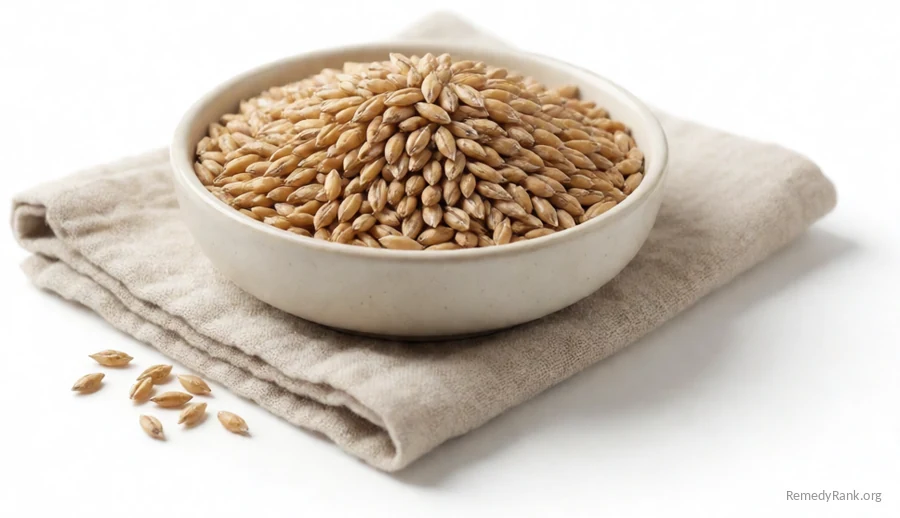 ⤢
⤢📊 How it ranks (our editor score) — 85/100Tap to see the breakdown
🌱 What it is
Spelt is an old relative of modern wheat, grown for thousands of years in Europe and the Middle East. Its tough outer hull protects the grain, and once hulled it can be cooked whole or milled into flour with a nutty, slightly sweet taste.
📜 Where it comes from
Spelt is an ancient relative of modern wheat, cultivated in Europe and the Middle East for thousands of years, and it was a staple grain in ancient and medieval Europe before being largely replaced by higher-yielding modern wheat varieties. German herbalist and abbess Hildegard of Bingen wrote favorably of spelt in the twelfth century, praising it as a wholesome grain. It has seen renewed popularity in modern times among those seeking traditional, minimally hybridized grains.
✨ Why it's good for you
- May help support steady digestion with its generous fiber content
- May help support healthy cholesterol as a whole-grain food
- Traditionally used to support lasting, steady energy rather than a quick sugar spike
- May help support healthy muscle and tissue repair with its plant protein
🥗 Nutrition
Per 1 cup cooked (194 g) · about 246 calories
- Protein 10.7 g
- Fiber 7.6 g
- Manganese 2.6 mg
- Phosphorus 291 mg
- Magnesium 95 mg
Source: USDA FoodData Central
🥄 How to use it
Cook the whole grains like rice, or choose whole-spelt bread and porridge.
How much: A practical food amount is about half a cup cooked, or a slice or two of whole-spelt bread, several times a week.
Why it works: Nutrition science points to spelt's fiber and protein content as support for steady digestionHow your body breaks food down into pieces small enough to use for energy. More → and healthy cholesterol, similar to benefits associated with other whole grains.
Show full details & how to prepare it
Spelt is an ancient cousin of modern wheat, a hardy grain that nourished people across Europe and the Near East long before today's varieties existed. Its warm, nutty flavor and pleasant chew have earned it a loving revival in wholesome kitchens.
As a whole grain it keeps its bran and germ, and with them a generous store of fiber and a little more protein than common wheat. That fiber keeps digestionHow your body breaks food down into pieces small enough to use for energy. More → regular, helps carry away excess cholesterol, and slows the rise of blood sugar so energy comes steadily rather than in spikes.
Because spelt is a kind of wheat it does contain gluten, so it is not for those with celiac disease or wheat allergy. For everyone else it is a safe, hearty grain, best welcomed gradually with plenty of water as with any high-fiber food.
Ways to prepare it
⚠️ Cautions
- Spelt is a form of wheat and contains gluten, so it is not safe for those with celiac disease or wheat allergy.
- As a high-fiber whole grain, increase portions gradually and drink plenty of water.
📚 Learn more
🌿 Deeper natural detail
🩺 The conventional view
💬 Ask Remy about Spelt
📚 Resource confidence
Based on mentions in health references
Your vote is saved. Source endorsement totals come from books and studies (+7 per book, +5 per article). You can change your vote anytime from this device.
💬 Comments & experiences
Share what worked for you — and reply or 👍 like the experiences that resonate. Comments get a quick review before they appear publicly, to keep things safe and honest. Please don't make medical claims.
💚 Have an experience to share? Create a free account to join the conversation — your words might be exactly what someone else needs. Reading is always open to everyone.
Know a remedy like this?
Share a structured suggestion and our team will review it for the site.
Suggest a similar remedy