Herb
Mugwort
A traditional bitter herb taken before meals to stir up appetite and digestion, with real cautions around pregnancy and ragweed allergy.
 ⤢
⤢📊 How it ranks (our editor score) — 47/100Tap to see the breakdown
🌱 What it is
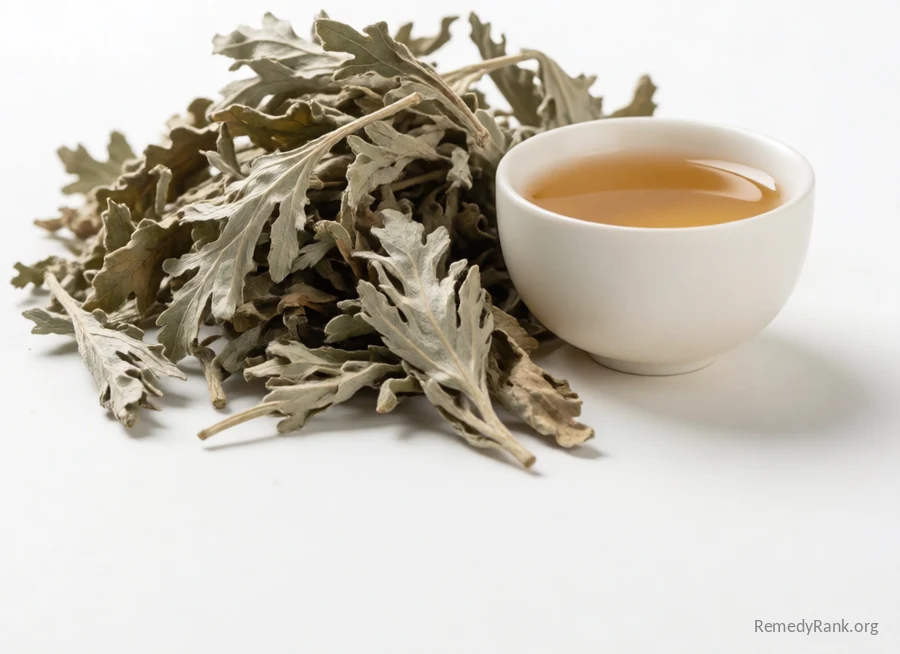
Mugwort (Artemisia vulgaris) is an aromatic, bitter herb in the same family as wormwood and ragweed, traditionally brewed as a digestive tea and used in Traditional Chinese Medicine for moxibustion (external heat therapy).
📜 Where it comes from
Mugwort has been used since ancient times, valued by Greco-Roman herbalists and later European folk healers as a bitter digestive tonic taken before meals to stir the appetite. In Traditional Chinese Medicine, a related preparation of the dried herb has long been used in moxibustion practices. Its close botanical kinship to ragweed and wormwood has always called for caution around allergies and pregnancy in traditional use.
✨ Why it's good for you
- Traditionally used as a bitter to stimulate a sluggish appetite
- Folk remedy for occasional bloating or slow digestion
- Long history of use in Traditional Chinese Medicine
🥄 How to use it
A weak teaA warm drink made by steeping herbs in hot water. How to make a tea → is traditionally sipped 15-20 minutes before a meal to stimulate digestive juices and appetite. It is generally used occasionally rather than as a daily staple.
How much: Traditional use is a weak teaA warm drink made by steeping herbs in hot water. How to make a tea → (a small pinch steeped briefly), taken occasionally before meals... not a daily long-term herbA plant, or part of one, used for flavor, food, or gentle health support. More →.
Why it works: Like other bitter herbs, mugwort is thought to stimulate saliva and stomach acid production through taste receptors, encouraging digestionHow your body breaks food down into pieces small enough to use for energy. More →, though this hasn't been confirmed for mugwort specifically in modern trials.
⚠️ Cautions
- Avoid during pregnancy... traditionally used to stimulate the uterus and menstrual flow, which makes it unsafe in pregnancy
- Related to ragweed and chrysanthemum... avoid if you have hay fever or Asteraceae plant allergies
- Contains thujone; avoid high doses or prolonged daily use, and avoid entirely with a seizure disorder
- Avoid while breastfeeding due to lack of safety data
- Persistent digestive pain, vomiting, or weight loss needs a doctor... this only supports occasional sluggish digestion
📚 Learn more
🌿 Deeper natural detail
🩺 The conventional view
💬 Ask Remy about Mugwort
📚 Resource confidence
Based on mentions in health references
Your vote is saved. Source endorsement totals come from books and studies (+7 per book, +5 per article). You can change your vote anytime from this device.
💬 Comments & experiences
Share what worked for you — and reply or 👍 like the experiences that resonate. Comments get a quick review before they appear publicly, to keep things safe and honest. Please don't make medical claims.
💚 Have an experience to share? Create a free account to join the conversation — your words might be exactly what someone else needs. Reading is always open to everyone.
Know a remedy like this?
Share a structured suggestion and our team will review it for the site.
Suggest a similar remedy