Herb
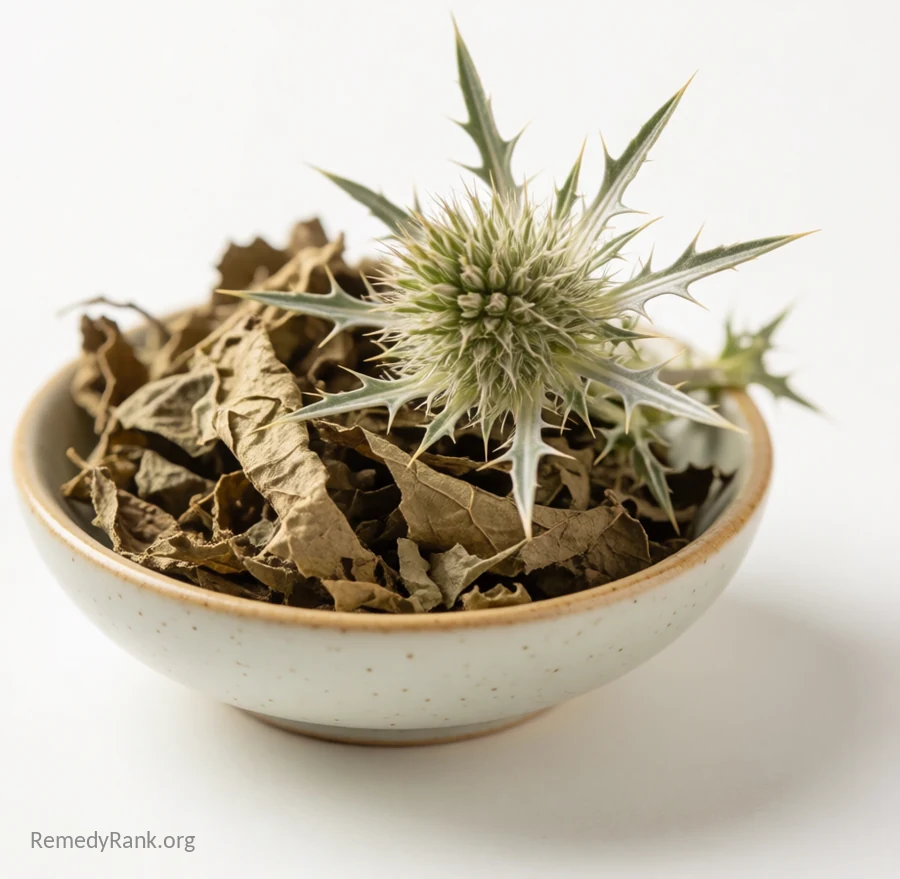
Blessed Thistle
A traditional bitter herb used to support digestion and, historically, milk supply in nursing mothers.
 ⤢
⤢📊 How it ranks (our editor score) — 59/100Tap to see the breakdown
🌱 What it is
Blessed thistle (Cnicus benedictus) is a bitter-tasting plant in the daisy family, long used in European folk herbalism as a digestive bitter and a traditional nursing-support herb.
📜 Where it comes from
Blessed thistle earned its name in medieval Europe, where monks and herbalists praised it as a blessed cure-all for digestive ailments and fevers. European folk midwifery traditions later turned to it as a support for nursing mothers seeking to encourage milk supply. It carried this dual reputation, as a bitter digestive tonic and a nursing aid, into 19th and 20th century Western herbal practice.
✨ Why it's good for you
- Traditionally used as a bitter digestive tonic before meals
- Traditional herb for supporting milk supply in nursing mothers
- Long history of use in European folk herbalism
🥄 How to use it
Take as a teaA warm drink made by steeping herbs in hot water. How to make a tea →, capsuleDried, powdered herb packed into a swallowable shell for a measured dose. How to make a capsule →, or tinctureA concentrated herbal extract made with alcohol. How to make a tincture →, often 15-20 minutes before meals for digestive support, or as directed on a nursing-support product label.
How much: Follow label directions for teaA warm drink made by steeping herbs in hot water. How to make a tea →, capsuleDried, powdered herb packed into a swallowable shell for a measured dose. How to make a capsule →, or tinctureA concentrated herbal extract made with alcohol. How to make a tincture →; a common approach is 1 cup of tea up to 3 times daily.
Why it works: Its bitter compounds are traditionally thought to stimulate digestive secretions and, by traditional reputation, to support milk production in nursing mothers, though modern clinical evidence for either use is limited.
⚠️ Cautions
- Avoid during pregnancy; traditional sources caution against use due to possible uterine-stimulant effects
- Can cause allergic reactions in people sensitive to ragweed, daisies, marigolds, or other Asteraceae/Compositae-family plants
- May increase stomach acid... use caution or avoid with ulcers, GERD, or acid reflux
- If nursing concerns (low supply, mastitis, persistent pain) continue, see a doctor or lactation consultant... this is a traditional support, not a guaranteed fix.
📚 Learn more
🌿 Deeper natural detail
🩺 The conventional view
Curated links coming for this one.
💬 Ask Remy about Blessed Thistle
📚 Resource confidence
Based on mentions in health references
Your vote is saved. Source endorsement totals come from books and studies (+7 per book, +5 per article). You can change your vote anytime from this device.
💬 Comments & experiences
Share what worked for you — and reply or 👍 like the experiences that resonate. Comments get a quick review before they appear publicly, to keep things safe and honest. Please don't make medical claims.
💚 Have an experience to share? Create a free account to join the conversation — your words might be exactly what someone else needs. Reading is always open to everyone.
Know a remedy like this?
Share a structured suggestion and our team will review it for the site.
Suggest a similar remedy