Herb
Shatavari
An Ayurvedic asparagus root traditionally used to support women's hormonal balance and vitality.
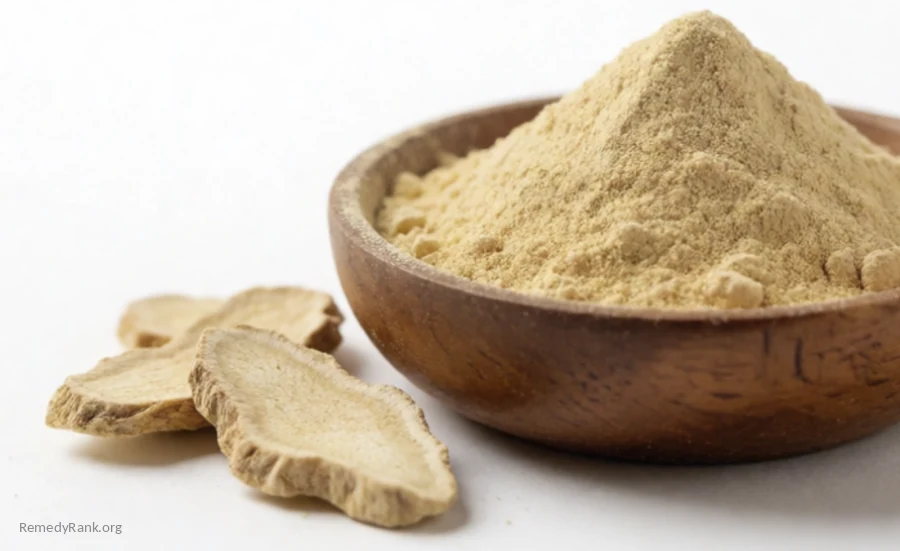 ⤢
⤢📊 How it ranks (our editor score) — 56/100Tap to see the breakdown
🌱 What it is
Shatavari (Asparagus racemosus) is a climbing plant in the asparagus family whose root has a long history in Ayurvedic medicine as a tonic, especially for women's reproductive health.
📜 Where it comes from
Shatavari has been used in Ayurvedic medicine in India for thousands of years, where its root was classified as a rasayana, or rejuvenating tonic, especially valued for women's reproductive health and vitality across the life stages. Ancient Ayurvedic texts describe it as a nourishing tonic for both men and women. Modern researchers have more recently begun small studies exploring its traditional reputation for hormonal balance.
✨ Why it's good for you
- Traditionally used to support women's hormonal balance
- Traditionally used to support milk supply during breastfeeding
- Studied in small trials as a general vitality tonic
- May help support comfort around menopause and PMS, traditionally
🥄 How to use it
Shatavari is most often taken as a powder stirred into warm milk or water, or as a standardized capsuleDried, powdered herb packed into a swallowable shell for a measured dose. How to make a capsule →. It's traditionally taken daily over weeks rather than for a single acute complaint.
How much: Typical traditional dose is 500 mg to 1,000 mg of root powder or extract, once or twice daily; follow the product label.
Why it works: It's classed in Ayurveda as a rejuvenating tonic and contains plant saponins that some researchers believe may interact mildly with hormone pathways, though human evidence remains limited.
⚠️ Cautions
- Contains plant estrogens... avoid with hormone-sensitive conditions or hormone therapy unless a doctor approves
- May cause allergic reaction in people sensitive to asparagus or related plants
- Not a substitute for fertility or hormone treatment from a doctor
- Talk to a doctor before use during pregnancy or while breastfeeding, despite its traditional use for lactation
📚 Learn more
🌿 Deeper natural detail
🩺 The conventional view
Curated links coming for this one.
💬 Ask Remy about Shatavari
📚 Resource confidence
Based on mentions in health references
Your vote is saved. Source endorsement totals come from books and studies (+7 per book, +5 per article). You can change your vote anytime from this device.
💬 Comments & experiences
Share what worked for you — and reply or 👍 like the experiences that resonate. Comments get a quick review before they appear publicly, to keep things safe and honest. Please don't make medical claims.
💚 Have an experience to share? Create a free account to join the conversation — your words might be exactly what someone else needs. Reading is always open to everyone.
Know a remedy like this?
Share a structured suggestion and our team will review it for the site.
Suggest a similar remedy