Supplement
Magnesium
An essential mineral that supports relaxed muscles, blood vessels, and nerves.
 ⤢
⤢📊 How it ranks (our editor score) — 65/100Tap to see the breakdown
🌱 What it is
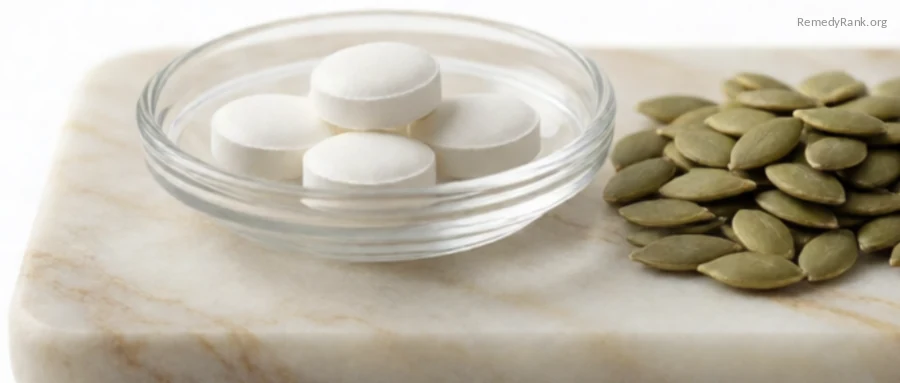
Magnesium is a mineral involved in hundreds of body processes, from muscle relaxation to energy production, and many people fall short of getting enough from food alone.
📜 Where it comes from
Magnesium was recognized as an element in the early 1800s, and its biological importance to muscle and nerve function was established through nineteenth and twentieth-century physiology research. As modern diets shifted toward more processed foods, twentieth-century nutrition science identified magnesium as a mineral many people fall short on, prompting its widespread recommendation as a supplement for relaxation, sleep, and muscle comfort. It has become one of the most commonly recommended minerals in natural-health practice.
✨ Why it's good for you
- Supports relaxed blood vessels and circulation
- May ease anxious tension
- Supports airway and muscle relaxation
- May support energy levels when deficient
🙏 Begin with prayer
Prayer is the first remedy, not the last resort. Whether you are facing this yourself, caring for someone who is, or simply reading to understand — here is a simple prayer you are welcome to make your own, in your name or in theirs:
Dear God, thank You for magnesium, a quiet mineral that helps relax my muscles, blood vessels, and nerves. Bless its use in my life, and give me wisdom about the right amount, especially as my kidneys process it. When anxiety rises or my energy runs low, let me bring every request to You with thanksgiving, and let Your peace, which passes understanding, guard my heart and mind. In Jesus' name, Amen.
“Be careful for nothing; but in every thing by prayer and supplication with thanksgiving let your requests be made known unto God. And the peace of God, which passeth all understanding, shall keep your hearts and minds through Christ Jesus.”— Philippians 4:6-7
🥄 How to use it
Eat magnesium-rich foods such as leafy greens, nuts, seeds, whole grains, and bananas daily, and consider a supplement (magnesium glycinate or citrate are gentle forms) if food intake is low.
How much: Typically 200-400 mg daily as a supplement, or as directed on the product label; food sources first.
Why it works: Magnesium deficiency can contribute to small blood vessels constricting, muscle and nerve over-excitability, and airway tightness; restoring adequate levels may help ease symptoms tied to these mechanisms.
⚠️ Cautions
- High-dose supplements can cause diarrhea or stomach upset.
- People with kidney disease should consult a doctor before supplementing, as the kidneys clear excess magnesium. Magnesium can also reduce the absorption of certain antibiotics (such as tetracyclines and fluoroquinolones) and some other medications -- space doses at least 2 hours apart and check with a pharmacist or doctor.
📚 Learn more
🌿 Deeper natural detail
🩺 The conventional view
💬 Ask Remy about Magnesium
📚 Resource confidence
Based on mentions in health references
Your vote is saved. Source endorsement totals come from books and studies (+7 per book, +5 per article). You can change your vote anytime from this device.
💬 Comments & experiences
Share what worked for you — and reply or 👍 like the experiences that resonate. Comments get a quick review before they appear publicly, to keep things safe and honest. Please don't make medical claims.
💚 Have an experience to share? Create a free account to join the conversation — your words might be exactly what someone else needs. Reading is always open to everyone.
Know a remedy like this?
Share a structured suggestion and our team will review it for the site.
Suggest a similar remedy