Herb
Lavender
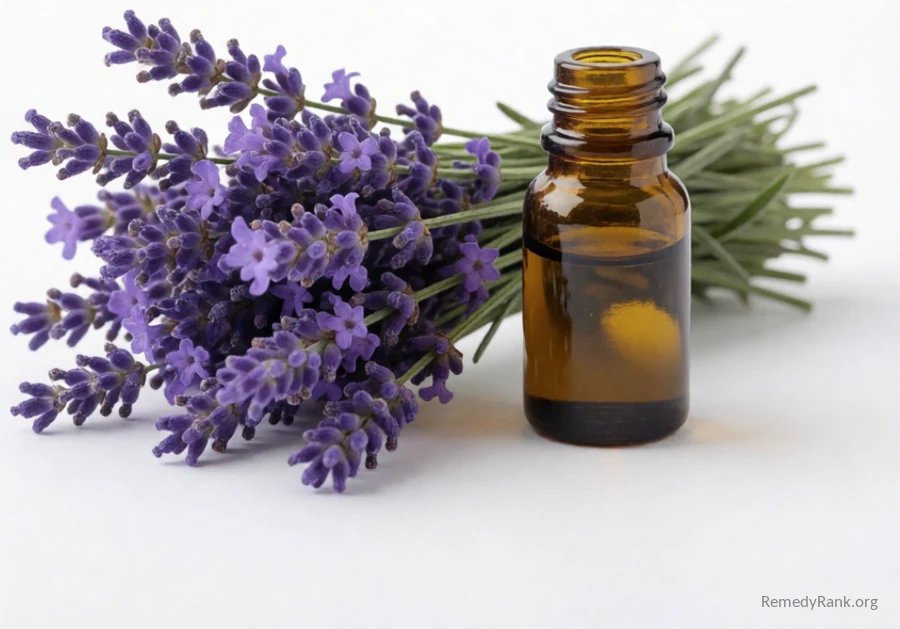
A fragrant purple flower whose calming aroma eases stress, quiets a racing mind, and helps invite sleep.
 ⤢
⤢📊 How it ranks (our editor score) — 81/100Tap to see the breakdown
🌱 What it is
Lavender is a fragrant flowering shrub grown in gardens for its purple blooms, prized for the calming essential oil pressed from its flowers.
📜 Where it comes from
Lavender was cultivated and used by Greco-Roman physicians, who added it to bathwater for its fragrance and calming reputation, a use reflected in its name, which comes from the Latin word for washing. Medieval European herbal gardens kept lavender as a staple calming plant, and its oil became popular across Europe for easing nerves and encouraging sleep. That reputation for calm has followed lavender into modern use largely unchanged.
✨ Why it's good for you
- May help support a calmer, less stressed mind
- May help support an easier time settling into sleep
- May help support relaxation during a quiet evening routine
🥗 Nutrition
Per 1 cup brewed tea (240ml) · about 2 calories
- Linalool (essential oil)
- Antioxidant polyphenols
- Negligible macronutrients
Source: Nutrition estimate (per typical serving)
🥄 How to use it
Breathe its aroma from a few drops of properly diluted essential oilA very concentrated plant oil — always diluted before it touches skin. How to make an essential oil →, sip mild lavender teaA warm drink made by steeping herbs in hot water. How to make a tea →, or add it to a warm evening bath.
How much: For aromatherapy, 2–3 drops of essential oilA very concentrated plant oil — always diluted before it touches skin. How to make an essential oil → in a diffuser or 1 drop on a tissue, as needed. As teaA warm drink made by steeping herbs in hot water. How to make a tea →, 1 mild cup in the evening using 1 teaspoon dried flowers.
Why it works: Calming aroma reduces anxiety and promotes sleep.
Show full details & how to prepare it
Lavender is perhaps the best-loved calming herbA plant, or part of one, used for flavor, food, or gentle health support. More →, and its quiet power lives in its scent. Breathing the aroma of lavender's essential oilA very concentrated plant oil — always diluted before it touches skin. How to make an essential oil → has been studied for gently easing tension, softening a restless mind, and improving the quality of sleep, which makes it a beautiful part of an evening wind-down.
The simplest uses are the safest: a couple of drops in a diffuser, one drop on a tissue by your pillow, a few dried flowers steeped into a mild teaA warm drink made by steeping herbs in hot water. How to make a tea →, or a handful tied under the bath tap for a warm, fragrant soakResting a body part (or the whole body) in warm, treated water. How to make a soak →. Each invites the body toward rest without any fuss.
As with all essential oils, lavender oil is concentrated and meant for inhaling or for diluted use on the skin — never to be swallowed. Diluted in a carrier oil, a little makes a soothing temple or shoulder massage for tension and tension headaches. Patch-test first, since even gentle oils can occasionally irritate.
Ways to prepare it
🔬 Let's get technical
The scientific view, plainly reported. Hover a dotted word for its meaning.
What's in it
Lavender essential oil is dominated by the and , typically together comprising 50-60% of the oil in Lavandula angustifolia, with smaller amounts of , camphor, and depending on species and . Whole flower material also contains compounds, though most pharmacological research has focused on the fraction rather than aqueous extracts.
Mechanism of action
and are and cross the readily after inhalation or oral absorption, where animal and cell studies show they modulate activity and voltage-gated calcium channels, producing effects consistent with and sedative action. Inhaled lavender oil is also studied for direct action on olfactory pathways connecting to the , a route to calming effect distinct from systemic absorption. A standardized oral lavender oil preparation has shown activity in clinical trials for generalized anxiety comparable on some measures to low-dose benzodiazepines, acting apparently without involvement, suggesting a distinct receptor mechanism. Some work also reports mild and activity for the essential oil, attributed to its terpene content.
Current pharmacological applications
Oral lavender oil capsules have the strongest evidence base of any lavender preparation, with several randomized trials supporting reduced anxiety symptom scores in generalized anxiety disorder. Aromatherapy use -- diffused oil or inhaled patches -- has smaller and more mixed trial support for sleep quality and preoperative anxiety, with effect sizes often modest and difficult to separate from placebo or relaxation-context effects. Topical and aromatherapy use for skin or mood is largely traditional, with far less controlled clinical data than the oral anxiety literature.
Every underlined word is collected on the technical glossary.
⚠️ Cautions
- The essential oil is for inhaling or diluted skin use — never swallow it.
- Dilute the oil before it touches skin, and patch-test first.
- Strong lavender tea can be too much for some stomachs — keep it mild.
📚 Learn more
🌿 Deeper natural detail
🩺 The conventional view
💬 Ask Remy about Lavender
📚 Resource confidence
Based on mentions in health references
Your vote is saved. Source endorsement totals come from books and studies (+7 per book, +5 per article). You can change your vote anytime from this device.
💬 Comments & experiences
Share what worked for you — and reply or 👍 like the experiences that resonate. Comments get a quick review before they appear publicly, to keep things safe and honest. Please don't make medical claims.
💚 Have an experience to share? Create a free account to join the conversation — your words might be exactly what someone else needs. Reading is always open to everyone.
Know a remedy like this?
Share a structured suggestion and our team will review it for the site.
Suggest a similar remedy