Practice
Hymn Singing
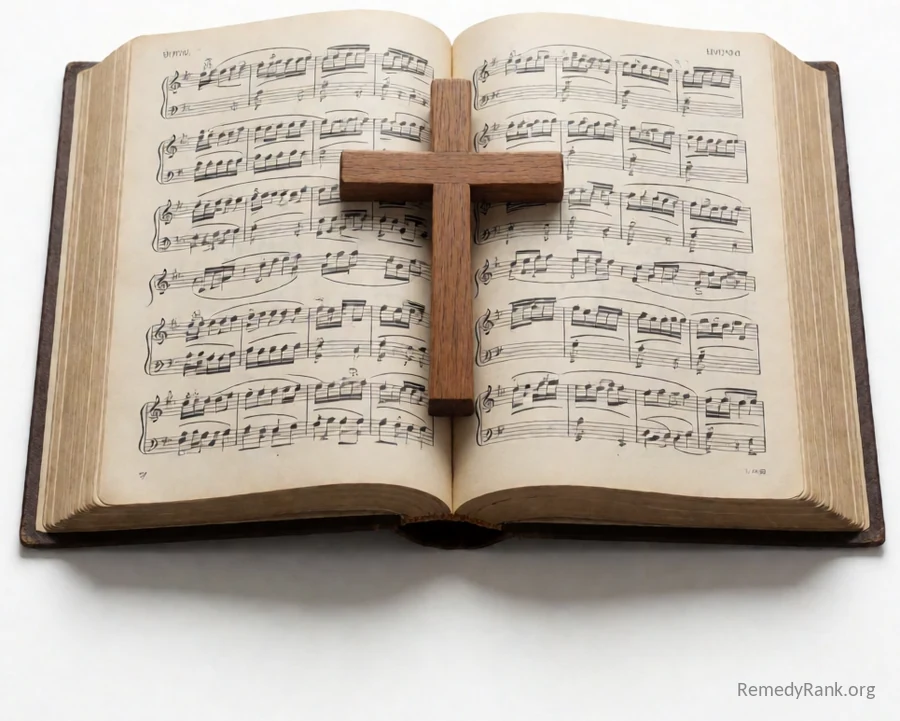
Singing hymns of praise, alone or with others, as a simple daily habit for mood, breath, and fellowship.
 ⤢
⤢📊 How it ranks (our editor score) — 86/100Tap to see the breakdown
🌱 What it is
Singing sacred songs or hymns, whether in congregation, a choir, or quietly at home, often paired with prayer or worship.
📜 Where it comes from
Singing hymns of praise has been part of Christian worship since the earliest centuries of the church, rooted in the biblical Psalms which themselves were sung. The practice became a cornerstone of Protestant devotional life, with hymnals compiled for both congregational worship and quiet home use. Music therapists in more recent decades have studied singing's effects on breath, mood, and social connection, giving old devotional practice new scientific attention.
✨ Why it's good for you
- may help support mood
- may support stress relief
- encourages slower, fuller breathing
- fosters fellowship and a sense of worship
🙏 Begin with prayer
Prayer is the first remedy, not the last resort. Whether you are facing this yourself, caring for someone who is, or simply reading to understand — here is a simple prayer you are welcome to make your own, in your name or in theirs:
Father, thank You for the gift of song and for hymns that lift my heart toward heaven. When my spirit is heavy, remind me that I can sing Your praise even through tears. Give me wisdom to let music be a comfort, not an escape, and show me what this body and mind truly need. Whatever You allow in my life, let my voice still rise in gratitude to You. In Jesus' name, Amen.
“Let the word of Christ dwell in you richly in all wisdom; teaching and admonishing one another in psalms and hymns and spiritual songs, singing with grace in your hearts to the Lord.”— Colossians 3:16
🥄 How to use it
Sing hymns aloud for 10-20 minutes when you wake, feel low, or gather with family; join a choir or church service for the fellowship benefit, or simply hum along to recordings if singing alone.
How much: 10-20 minutes of singing, several times a week or whenever comfort is needed.
Why it works: Singing engages controlled breathing and may lift mood, and communal singing may add a sense of connection, though these effects are not fully proven by research.
⚠️ Cautions
- Not a substitute for treatment of clinical depression or an anxiety disorder... persistent low mood needs professional evaluation.
- Vigorous singing can strain the voice during laryngitis or after throat surgery... rest the voice if hoarse.
- Not a treatment for underlying lung or heart disease causing breathlessness.
📚 Learn more
🌿 Deeper natural detail
Curated links coming for this one.
🩺 The conventional view
💬 Ask Remy about Hymn Singing
📚 Resource confidence
Based on mentions in health references
Your vote is saved. Source endorsement totals come from books and studies (+7 per book, +5 per article). You can change your vote anytime from this device.
💬 Comments & experiences
Share what worked for you — and reply or 👍 like the experiences that resonate. Comments get a quick review before they appear publicly, to keep things safe and honest. Please don't make medical claims.
💚 Have an experience to share? Create a free account to join the conversation — your words might be exactly what someone else needs. Reading is always open to everyone.
Know a remedy like this?
Share a structured suggestion and our team will review it for the site.
Suggest a similar remedy