Practice
Helping Others
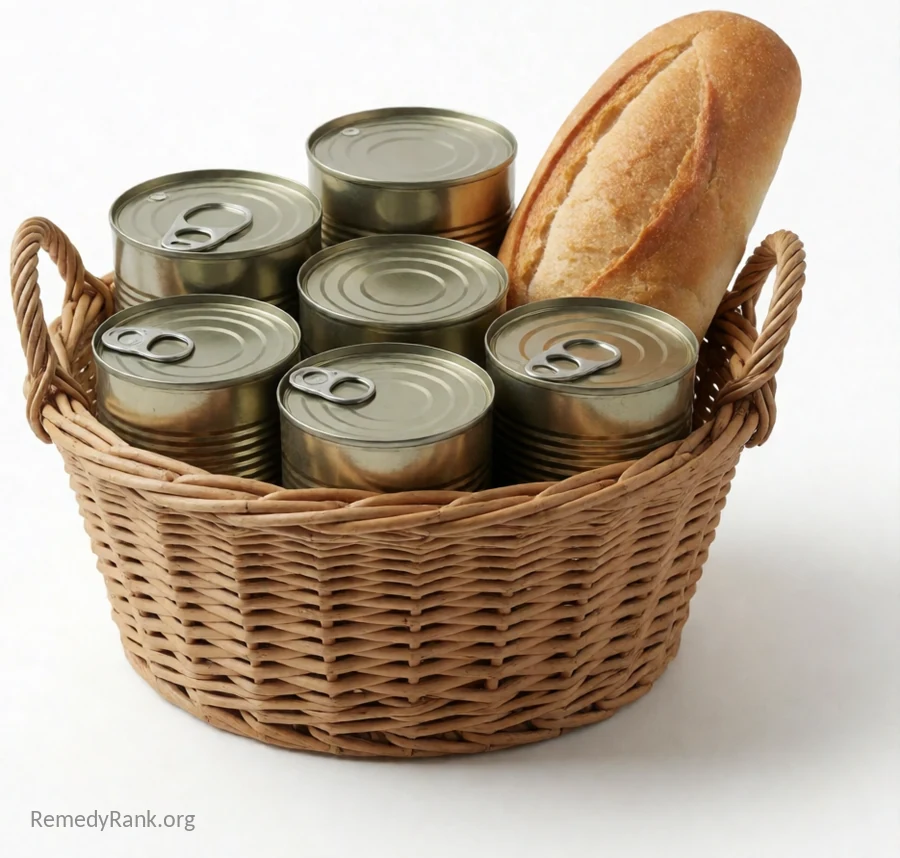
Making a habit of serving other people, in small or organized ways, as a source of purpose and connection.
 ⤢
⤢📊 How it ranks (our editor score) — 81/100Tap to see the breakdown
🌱 What it is
Intentional service to others... a visit, a meal, a listening ear, or organized volunteer work... practiced as a regular habit rather than an occasional gesture.
📜 Where it comes from
Service to others is woven throughout biblical teaching, from Old Testament instructions to care for the poor to the New Testament example of Christ's ministry, and it has long been central to Christian charitable tradition. Organized volunteering as a distinct modern practice grew during the 19th and 20th centuries alongside charitable and missionary movements. Social psychologists in recent decades have studied how such habitual service affects the helper's own sense of purpose and wellbeing.
✨ Why it's good for you
- may help support mood
- may help build a sense of purpose and connection
- may support stress relief
🙏 Begin with prayer
Prayer is the first remedy, not the last resort. Whether you are facing this yourself, caring for someone who is, or simply reading to understand — here is a simple prayer you are welcome to make your own, in your name or in theirs:
Dear God, thank You for the chance to carry another person's burden today. Open my eyes to see who needs a kind word, a meal, or simply my time, and give me the strength to offer it without seeking anything in return. Keep me from neglecting my own needs or medical care in the name of service, and let any healing I need come according to Your will. In Jesus' name, Amen.
“Bear ye one another's burdens, and so fulfil the law of Christ.”— Galatians 6:2
🥄 How to use it
Look for one concrete way to help someone each day, such as a visit, a meal, or a listening ear; add regular volunteer work if possible, treating it as a habit rather than only a crisis response.
How much: One intentional act of service most days, alongside ongoing small kindnesses.
Why it works: Purposeful service to others may help shift attention away from one's own worries and build social connection, both linked to wellbeing in observational research.
⚠️ Cautions
- Not a substitute for treatment of clinical depression... persistent low mood needs professional evaluation.
- Guard against burnout... helping others should not come at the cost of your own basic needs, sleep, or medical care.
- Use discernment and reasonable safety precautions when helping strangers or entering unfamiliar situations.
📚 Learn more
🌿 Deeper natural detail
Curated links coming for this one.
🩺 The conventional view
💬 Ask Remy about Helping Others
📚 Resource confidence
Based on mentions in health references
Your vote is saved. Source endorsement totals come from books and studies (+7 per book, +5 per article). You can change your vote anytime from this device.
💬 Comments & experiences
Share what worked for you — and reply or 👍 like the experiences that resonate. Comments get a quick review before they appear publicly, to keep things safe and honest. Please don't make medical claims.
💚 Have an experience to share? Create a free account to join the conversation — your words might be exactly what someone else needs. Reading is always open to everyone.
Know a remedy like this?
Share a structured suggestion and our team will review it for the site.
Suggest a similar remedy