Herb
Lemon Balm
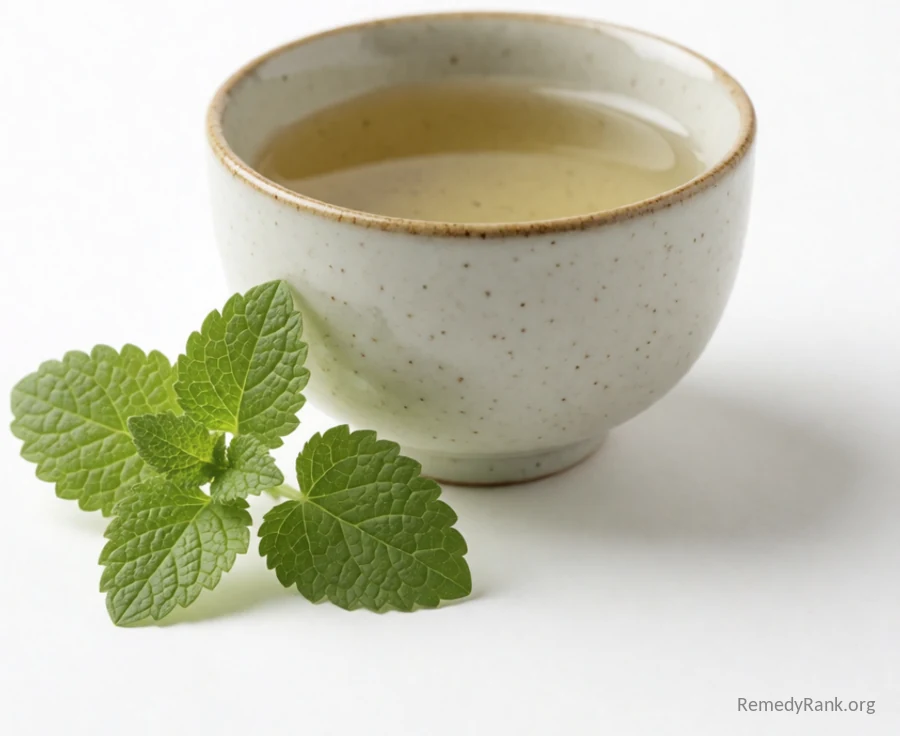
A cheerful, lemon-scented mint-family herb that calms nervous tension and settles a stressed, jittery stomach.
 ⤢
⤢📊 How it ranks (our editor score) — 85/100Tap to see the breakdown
🌱 What it is
Lemon balm is a bright green, lemon-scented herb in the mint family, easy to grow in gardens and popular fresh or dried for tea.
📜 Where it comes from
Lemon balm was prized by Greco-Roman physicians, who used it to lift the spirits and calm the nerves, earning it a long-standing nickname as the gladdening herb. Medieval European monastery gardens kept lemon balm as a staple calming plant, and it was often steeped into wine or tea for anxious or unsettled patients. That reputation for easing nervous tension has stayed with it through to modern herbal use.
✨ Why it's good for you
- May help support a calmer, less jittery mood
- May help support a settled stomach after a tense meal
- May help support an easier time relaxing in the evening
🥗 Nutrition
Per 1 cup brewed tea / 2 tbsp fresh (6g) · about 3 calories
- Rosmarinic acid
- Trace vitamin C
- Negligible macronutrients
Source: Nutrition estimate (per typical serving)
🥄 How to use it
Sip as a pleasant lemony teaA warm drink made by steeping herbs in hot water. How to make a tea →, especially in the evening or after a tense meal. Lovely fresh from the garden.
How much: As teaA warm drink made by steeping herbs in hot water. How to make a tea →, 1 cup 1–3 times a day, using 1 tablespoon fresh leaves (or 1–2 teaspoons dried) per cup; a cup in the evening helps with winding down.
Why it works: Soothing gentle nervine that may reduce stress and restlessness.
Show full details & how to prepare it
Lemon balm is a soft, bright-green member of the mint family with a fresh lemon scent, and herbalists have valued it for centuries as a 'gladdening' herbA plant, or part of one, used for flavor, food, or gentle health support. More → — one that lifts the spirits while it calms the nerves. It gently eases nervous tension and a worried mind, and pairs beautifully with lavender or chamomile in an evening blend.
Because stress and digestionHow your body breaks food down into pieces small enough to use for energy. More → are so closely linked, lemon balm is especially nice for the kind of tight, fluttery stomach that shows up when we are anxious. A warm cup after a tense meal can soothe both the mood and the middle at once.
It is one of the gentlest herbs there is, safe and pleasant for most people, including as a calming teaA warm drink made by steeping herbs in hot water. How to make a tea → in the evening. Two small notes: very large amounts can be a touch sedating, and anyone with a thyroid condition should check with their doctor before using it regularly.
Ways to prepare it
🔬 Let's get technical
The scientific view, plainly reported. Hover a dotted word for its meaning.
What's in it
Lemon balm leaves yield a in which , the combination of the isomers geranial and neral, is a major aromatic component, alongside and other acids that are present in much higher concentration in the leaf than the volatile oil fraction.
Mechanism of action
and other lemon balm have been shown to inhibit , the enzyme that breaks down the inhibitory neurotransmitter GABA, which would be expected to increase available GABA and contribute to a calming effect if the same activity occurs in the human brain at achievable exposures. Extracts have also shown affinity for nicotinic and in laboratory binding studies, receptors involved in memory and cognitive function, offering a proposed mechanism for lemon balm's traditional reputation for mental clarity. and other constituents appear to contribute a mild effect on gastrointestinal , consistent with lemon balm's traditional use for nervous stomach upset. Most of this mechanistic evidence comes from cell and receptor-binding studies rather than direct measurement in the human brain.
Current pharmacological applications
Small randomized trials, several combining lemon balm with valerian, have studied standardized extracts for mild anxiety and sleep quality, generally reporting modest improvements over placebo, though sample sizes are small and results are not fully consistent. Other small trials have looked at lemon balm for mood and cognitive performance in healthy adults under mental stress, with some positive findings on measures like calmness and accuracy on cognitive tasks. Overall the evidence base is preliminary, built mainly on short trials with limited numbers of participants rather than large confirmatory studies.
Every underlined word is collected on the technical glossary.
⚠️ Cautions
- Very gentle for most people; large amounts may make you a little drowsy.
- If you have a thyroid condition, check with your doctor before regular use.
- Rarely, mint-family allergies may apply.
📚 Learn more
💬 Ask Remy about Lemon Balm
📚 Resource confidence
Based on mentions in health references
Your vote is saved. Source endorsement totals come from books and studies (+7 per book, +5 per article). You can change your vote anytime from this device.
💬 Comments & experiences
Share what worked for you — and reply or 👍 like the experiences that resonate. Comments get a quick review before they appear publicly, to keep things safe and honest. Please don't make medical claims.
💚 Have an experience to share? Create a free account to join the conversation — your words might be exactly what someone else needs. Reading is always open to everyone.
Know a remedy like this?
Share a structured suggestion and our team will review it for the site.
Suggest a similar remedy