Food
Apple Cider Vinegar
A tangy vinegar some people use, well-diluted, to settle the stomach after meals.
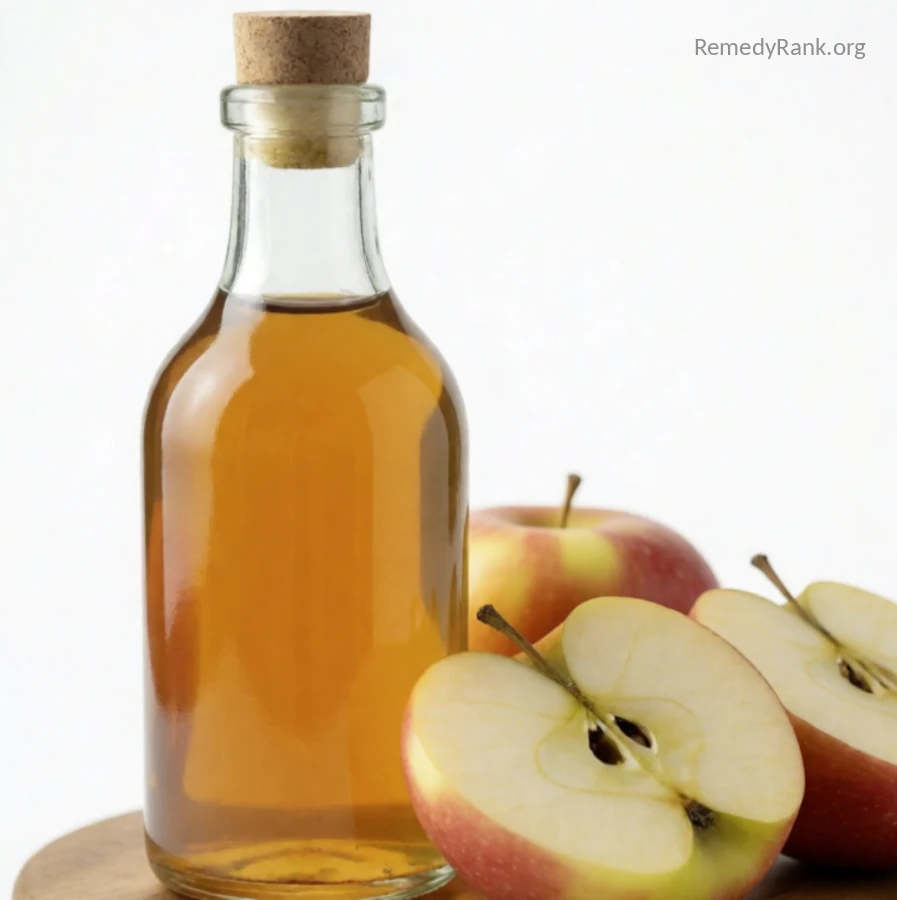 ⤢
⤢📊 How it ranks (our editor score) — 71/100Tap to see the breakdown
🌱 What it is
Apple cider vinegar is made by fermenting crushed apples, first into cider and then into vinegar, giving it a sharp, tangy flavor and a faint apple aroma.
📜 Where it comes from
Vinegar has been used medicinally since Greco-Roman times, when Hippocrates reportedly recommended it mixed with honey for coughs and other complaints. Apple cider vinegar specifically became a popular American folk remedy in the twentieth century, promoted heavily by health writer D.C. Jarvis in his books on Vermont folk medicine. It has stayed a fixture of home remedy cabinets ever since, diluted and sipped for digestive comfort.
✨ Why it's good for you
- May help support digestion when sipped well-diluted with a meal
- May help support a settled feeling in the stomach afterward
- May help support a tangy, low-calorie flavor boost in dressings and drinks
- May help support healthy habits when used in place of sugary drinks
🥗 Nutrition
Per 1 tbsp (15g) · about 3 calories
- Potassium 11mg
- Acetic acid ~5%
- Calcium 1mg
Source: USDA FoodData Central
🥄 How to use it
Stir 1 teaspoon into a large glass of water and sip with a meal. Always dilute it well — never drink it straight.
How much: A typical amount is 1 teaspoon to 1 tablespoon stirred into a large (8–12 oz) glass of water, taken with or just before a meal — once or twice a day at most. Never drink it undiluted.
Why it works: Creates an acidic environment inhospitable to the virus.
Show full details & how to prepare it
Apple cider vinegar is pressed apple juice that has been naturally cultured, leaving it tangy and mildly acidic. Cloudy, unfiltered bottles contain 'the mother' — wispy strands of beneficial bacteria from the culturing process. Folk tradition reaches for a diluted glass with meals to settle the stomach, and many people simply enjoy it as a bright, tangy tonic.
It is important to be honest here: the formal evidence is limited, so this is a gentle traditional help rather than a proven treatment. Used sensibly and well-diluted, most people tolerate it fine.
The cautions are all about its acid. Undiluted, vinegar can burn the throat and stomach and wear away tooth enamel, so always dilute it generously, sip through a straw, and rinse your mouth with plain water afterward. This is also worth knowing if you take medicines for blood sugar or have a sensitive stomach.
Ways to prepare it
🔬 Let's get technical
The scientific view, plainly reported. Hover a dotted word for its meaning.
What's in it
Apple cider vinegar is a dilute solution of , typically around 4 to 6%, produced by fermenting apple sugars first to alcohol and then to acid by acetic acid bacteria. Unfiltered versions contain the 'mother,' a cloudy suspension of those bacteria and cellulose fibers, along with small amounts of and trace polyphenols carried over from the apples.
Mechanism of action
is the primary constituent responsible for vinegar's studied physiological effects: in the gut it appears to modestly slow and inhibit and other carbohydrate-digesting enzymes, which is proposed to blunt the rise in blood glucose after a starchy meal. Its low pH and sour taste may also influence signaling, contributing to reports of reduced appetite after vinegar-containing meals, though this effect is inconsistent across studies. The 'mother' fraction has not been shown to add meaningfully to these effects beyond what acetic acid alone produces in controlled comparisons. Because it is a strong acid, direct or concentrated contact with tooth enamel and the esophageal lining causes measurable erosion, a straightforward chemical property rather than a therapeutic one.
Current pharmacological applications
Small randomized trials, mostly short-term and with modest sample sizes, have studied vinegar taken alongside a meal for its effect on post-meal blood glucose and insulin response, generally finding a small blunting effect that is more consistent than its effect on long-term weight change. Trials looking at weight loss have found statistically detectable but clinically modest differences over weeks to months. Evidence for other traditional claims, such as easing heartburn or supporting general digestion, remains largely anecdotal with little controlled clinical study.
Every underlined word is collected on the technical glossary.
⚠️ Cautions
- Always dilute it — undiluted vinegar can burn the throat and stomach.
- Its acid can wear down tooth enamel; sip through a straw and rinse with water after.
- It can interact with some medicines, like those used for blood sugar.
📚 Learn more
🌿 Deeper natural detail
🔎 What this addresses
Where Apple Cider Vinegar fits into a condition's cause-and-symptom picture — some conditions it works on the root cause of, others it mainly soothes.
Eases the symptoms of
For these, it calms the condition without addressing what drives it.
- Eczema — A popular folk soakResting a body part (or the whole body) in warm, treated water. How to make a soak →, well diluted in water; undiluted vinegar can chemically burn already-compromised skin, so dilution matters more than usual here.
💬 Ask Remy about Apple Cider Vinegar
📚 Resource confidence
Based on mentions in health references
Your vote is saved. Source endorsement totals come from books and studies (+7 per book, +5 per article). You can change your vote anytime from this device.
💬 Comments & experiences
Share what worked for you — and reply or 👍 like the experiences that resonate. Comments get a quick review before they appear publicly, to keep things safe and honest. Please don't make medical claims.
💚 Have an experience to share? Create a free account to join the conversation — your words might be exactly what someone else needs. Reading is always open to everyone.
Know a remedy like this?
Share a structured suggestion and our team will review it for the site.
Suggest a similar remedy