Supplement
Vitamin B1 (Thiamine) for Insect Repellent
A B vitamin some people take to create a mild, natural mosquito-deterrent scent in the skin.
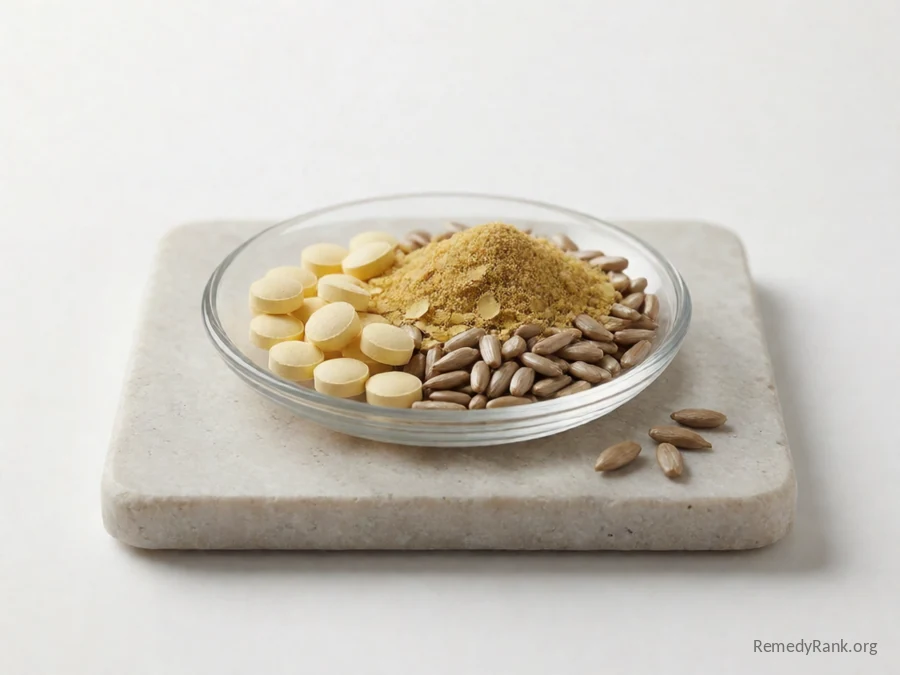 ⤢
⤢📊 How it ranks (our editor score) — 56/100Tap to see the breakdown
🌱 What it is
Vitamin B1 (thiamine) is an essential nutrient that, taken orally, some believe produces a skin odor mosquitoes find less appealing, though evidence is mixed.
📜 Where it comes from
The idea that thiamine might make the skin less attractive to biting insects emerged from informal observations and folk reports in the twentieth century, after thiamine deficiency and its treatment had already become well understood in nutritional medicine. The insect-repellent use spread as anecdotal folk wisdom among campers and outdoor enthusiasts, distinct from and much less established than thiamine's core role in nerve health.
✨ Why it's good for you
- Simple, low-risk vitamin to add during mosquito season
- Inexpensive and widely available
- May be used alongside standard repellents
🙏 Begin with prayer
Prayer is the first remedy, not the last resort. Whether you are facing this yourself, caring for someone who is, or simply reading to understand — here is a simple prayer you are welcome to make your own, in your name or in theirs:
Father, thank You for this small, ordinary way to discourage the mosquitoes that trouble my evenings outdoors. I know it is no perfect shield, so give me wisdom to also use the protection that truly works, especially where sickness spreads on tiny wings. Keep me and my family safe under Your watchful care day and night. In Jesus' name, Amen.
“Thou shalt not be afraid for the terror by night; nor for the arrow that flieth by day; Nor for the pestilence that walketh in darkness; nor for the destruction that wasteth at noonday.”— Psalm 91:5-6
🥄 How to use it
Take 50 mg of thiamine daily during mosquito season as a possible adjunct to standard repellents — it should not replace proven repellents like DEET or picaridin in areas with mosquito-borne disease risk.
How much: 50 mg daily during mosquito season.
Why it works: Thiamine is thought to alter the smell of skin secretions in a way that may make a person less attractive to biting mosquitoes, though scientific evidence for this effect is limited and inconsistent.
⚠️ Cautions
- Evidence for thiamine as a mosquito repellent is weak — do not rely on it alone in areas with West Nile virus, Zika, or other mosquito-borne disease risk.
- Use an EPA-registered repellent as your primary protection in high-risk areas.
- Very high doses aren't needed; stick to the stated amount.
📚 Learn more
🌿 Deeper natural detail
🩺 The conventional view
💬 Ask Remy about Vitamin B1 (Thiamine) for Insect Repellent
📚 Resource confidence
Based on mentions in health references
Your vote is saved. Source endorsement totals come from books and studies (+7 per book, +5 per article). You can change your vote anytime from this device.
💬 Comments & experiences
Share what worked for you — and reply or 👍 like the experiences that resonate. Comments get a quick review before they appear publicly, to keep things safe and honest. Please don't make medical claims.
💚 Have an experience to share? Create a free account to join the conversation — your words might be exactly what someone else needs. Reading is always open to everyone.
Know a remedy like this?
Share a structured suggestion and our team will review it for the site.
Suggest a similar remedy