Educational information only — RemedyRank does not diagnose, treat, or cure disease. Read our full disclaimer.

Herb

Marshmallow Root

82/100
RemedyRank score

A soft, soothing root rich in plant mucilage that coats and calms a sore throat, dry cough, and irritated digestion.

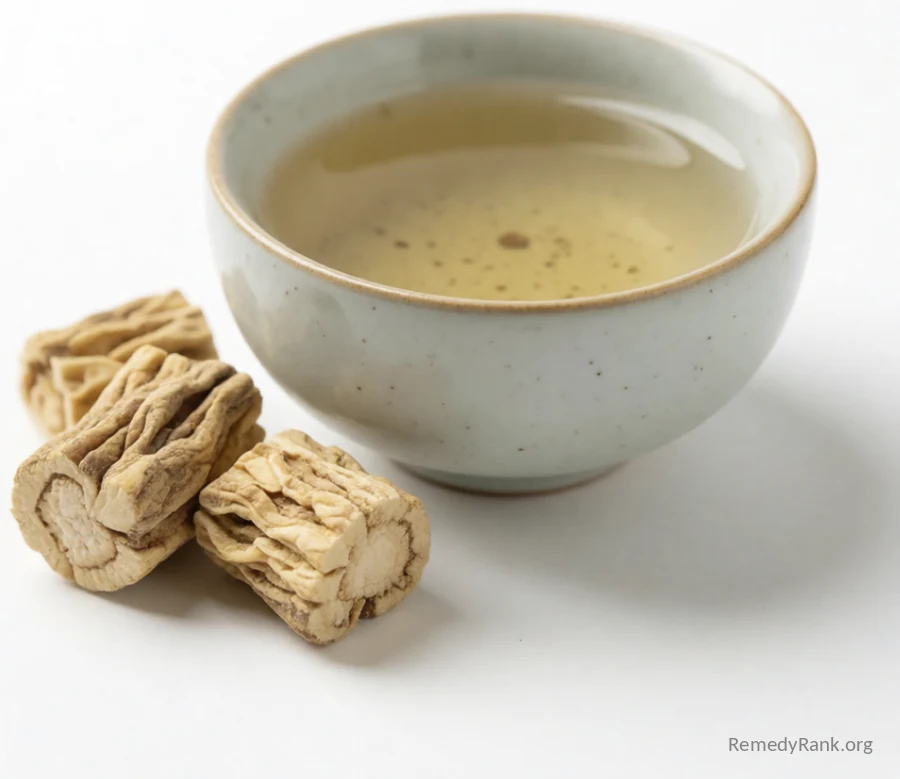
Dried pale marshmallow root pieces next to a ceramic cup of pale herbal tea.⤢
📊 How it ranks (our editor score) — 82/100Tap to see the breakdown
Source quality
Safety
Simplicity
Affordability
Lifestyle fit
Eight-laws alignment
User feedback

🌱 What it is

Marshmallow root comes from a mallow plant that grows in marshy meadows, prized for the slippery, gel-like mucilage inside its root.

📜 Where it comes from

Marshmallow root takes its name from the marsh mallow plant and was used by Greco-Roman physicians, including Dioscorides, who documented its soothing effect on irritated tissue. Medieval European herbals kept marshmallow root as a standard remedy for coughs, sore throats, and upset stomachs. Its long reputation for coating and calming irritated linings has carried it into herbal use today.

✨ Why it's good for you

  • May help support a soothed, coated feeling in a sore throat
  • May help support relief from a dry, tickly cough
  • May help support comfort in an irritated digestive tract

🥗 Nutrition

Per 1 cup cold infusion (240ml) · about 5 calories

  • Mucilage (soluble polysaccharide)
  • Trace minerals
  • Negligible macronutrients

Source: Nutrition estimate (per typical serving)

🥄 How to use it

Make a cool-water infusionA tea made by steeping soft leaves or flowers in hot water. How to make an infusion → (the gentle coating survives best without heat), or sip a warm teaA warm drink made by steeping herbs in hot water. How to make a tea →. Take it about an hour apart from medicines.

How much: As a cold infusionA tea made by steeping soft leaves or flowers in hot water. How to make an infusion →, about 1 tablespoon of dried root steeped in 1 cup water; sip 1–3 cups a day. Always take it an hour apart from medicines.

Why it works: Soothes the urinary tract.

Show full details & how to prepare it

Marshmallow root is the gentle cousin of slippery elm, and the original source of the old-fashioned marshmallow sweet. Its softness is no accident: the root is packed with mucilage, a slippery plant fiber that swells in water into a soothing gelA cool, jelly-like preparation that soothes and moisturizes skin. How to make a gel →. Swallowed, it lays a calming, protective layer over a raw throat and an irritated stomach lining.

That makes it a lovely choice for a dry, tickly cough, a scratchy sore throat, the constant clearing of post-nasal drip, and the burn of indigestion. Because it is so mild and food-like, it suits people who want the most gentle help possible.

One clever detail: heat can break down some of that delicate mucilage, so the traditional way to get the most soothing power is a cold infusionA tea made by steeping soft leaves or flowers in hot water. How to make an infusion → — steeping the root in cool water for several hours rather than boiling it. As with all mucilage herbs, take it about an hour apart from medicines so it doesn't slow their absorption.

Ways to prepare it

Cold infusion (best): Stir 1 tablespoon dried marshmallow root into 1 cup (240 ml) cool water, cover, and let it sit 4 hours or overnight. Strain; the liquid will be slightly thick and silky. Sip 1–3 cups a day, gently warmed if you like.
Warm tea (infusion): For a quicker cup, steep 1 teaspoon dried root in 1 cup just-boiled water, covered, 10–15 minutes, then strain. A little less soothing than the cold method but still gentle.
Throat lozenge: Knead 1 teaspoon marshmallow root powder into 2 teaspoons honey to form a stiff paste, roll into small lozenges, dust with extra powder, and dissolve one slowly as needed. Skip the honey for children under 1 year.

🔬 Let's get technical

The scientific view, plainly reported. Hover a dotted word for its meaning.

What's in it

Marshmallow root's therapeutic reputation rests on its content, a heterogeneous mixture of built largely from , galactose, , and that can make up 10% or more of the dried root by weight. It also contains smaller amounts of , pectin, and starch, though the mucilage fraction is considered the primary constituent studied.

Mechanism of action

On contact with water, the swell and form a viscous, gel that coats in the mouth, throat, and upper digestive tract, providing a physical barrier thought to reduce local irritant contact and mechanically soothe irritated tissue rather than acting through a receptor-mediated pathway. This coating is proposed to reduce cough reflex sensitivity by limiting irritant stimulation of pharyngeal nerve endings, consistent with marshmallow's traditional use for dry cough and sore throat. Some studies also report modest anti-inflammatory and antioxidant activity attributed to the root's content, though this evidence is far thinner than the well-characterized physical mucilage action.

Current pharmacological applications

Marshmallow root is used in throat lozenges and syrups largely on the strength of its action, with clinical trial evidence limited mostly to small studies of cough and mucosal irritation rather than large randomized trials. It is also studied combined with other -rich herbs for mild gastritis and reflux-related discomfort, though most supporting evidence remains traditional or based on small pilot studies rather than robust trials.

Every underlined word is collected on the technical glossary.

🧺 Other forms of Marshmallow Root

These used to be pages of their own. They are the same remedy in a different form — the differences worth knowing are below.

MarshmallowHerb

A mucilaginous root traditionally used to soothe irritated mucous membranes and ease respiratory discomfort.

How this form is used: Steep 1-2 teaspoons of dried marshmallow root in cold or lukewarm water for several hours (cold infusionA tea made by steeping soft leaves or flowers in hot water. How to make an infusion → preserves more mucilage), or combine in a teaA warm drink made by steeping herbs in hot water. How to make a tea → blend with other soothing herbs; drink up to 3 cups daily.

Cautions for this form
  • May slow absorption of other medications taken at the same time — space doses by 1-2 hours.
  • Not a substitute for prescribed respiratory or cystic fibrosis treatment; use as a gentle complement only.

O'Neill, Self Heal by Design

Shop organic marshmallow root tea on Amazon

Formerly its own page at /remedies/marshmallow, now redirected here.

⚠️ Cautions

  • The coating can slow how the gut absorbs medicines — take it an hour apart from any pills.
  • Choose a trusted brand and stick to normal amounts.
  • Drink extra water alongside it.

📚 Learn more

💬 Ask Remy about Marshmallow Root

Hi, I'm Remy 🌿 Ask me anything about Marshmallow Root and I'll answer from this page.

📚 Resource confidence

Based on mentions in health references

—
★★★★★
0 ratings
Tap to rate:
Did this remedy help you? Add your experience — source endorsements plus visitor feedback rank it on the ailment pages:0

Your vote is saved. Source endorsement totals come from books and studies (+7 per book, +5 per article). You can change your vote anytime from this device.

💬 Comments & experiences

Share what worked for you — and reply or 👍 like the experiences that resonate. Comments get a quick review before they appear publicly, to keep things safe and honest. Please don't make medical claims.

💚 Have an experience to share? Create a free account to join the conversation — your words might be exactly what someone else needs. Reading is always open to everyone.

Know a remedy like this?

Share a structured suggestion and our team will review it for the site.

Suggest a similar remedy