Food
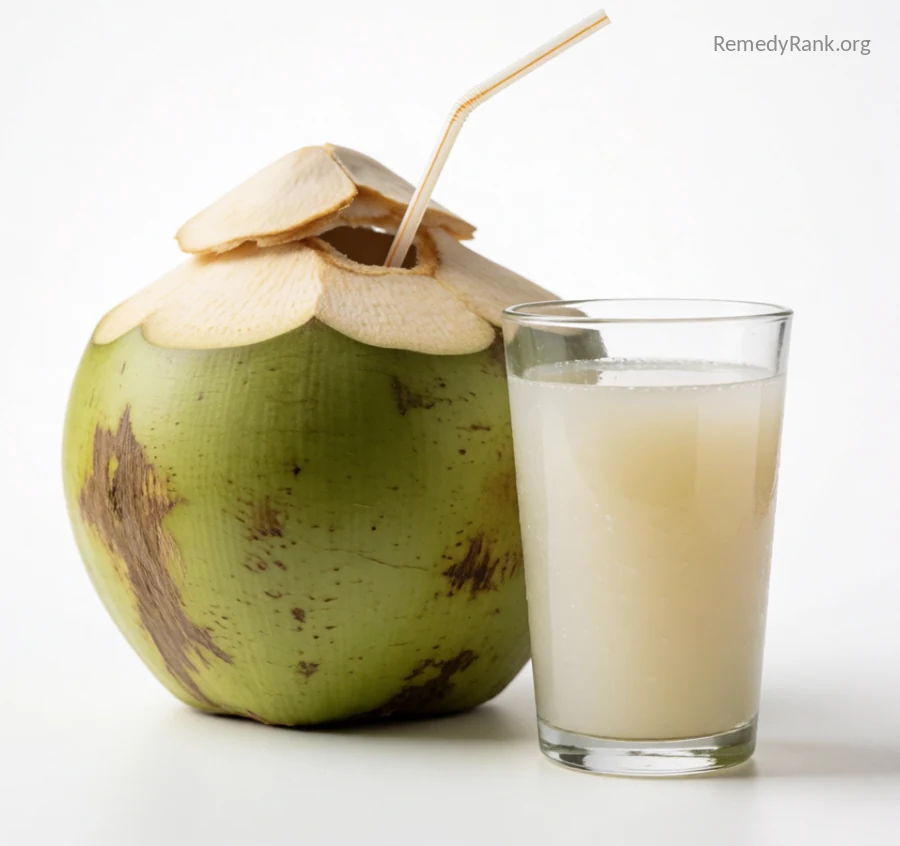
Coconut Water
The clear liquid inside a young coconut, a naturally electrolyte-rich drink for hydration and recovery.
 ⤢
⤢📊 How it ranks (our editor score) — 86/100Tap to see the breakdown
🌱 What it is
Coconut water is the clear liquid found inside young, green coconuts — different from thick, white coconut milk, which is pressed from the mature flesh.
📜 Where it comes from
Coconut water has been consumed for centuries across tropical regions of Southeast Asia, the Pacific Islands, and the Caribbean, where fresh young coconuts were opened as a natural drink in hot climates. Pacific Island and Southeast Asian traditions valued it for rehydration long before it became a popular commercial beverage in the West in recent decades.
✨ Why it's good for you
- May help support hydration after sweating or mild illness
- May help support healthy electrolyte balance
- May help support recovery after light exercise
- May help support a refreshed feeling in hot weather
🥗 Nutrition
Per 1 cup (240 g) · about 46 calories
- Potassium: 600 mg
- Sodium: 252 mg
- Magnesium: 60 mg
- Carbohydrate: 8.9 g
Source: USDA FoodData Central
🥄 How to use it
Sip plain coconut water to rehydrate after sweating, mild illness, or exercise; it naturally contains potassium and other electrolytes.
How much: A glass as needed for rehydration.
Why it works: Coconut water carries natural potassium and other electrolytes similar to what the body loses through sweat, so it is commonly explained as a gentle, mild way to help the body rehydrate after heat or activity.
Show full details & how to prepare it
Coconut water is the refreshing clear liquid inside young green coconuts, naturally containing potassium and other electrolytes. That makes it a pleasant, gentle way to rehydrate after heat, exercise, or a bout of mild illness — though for heavy fluid losses, a proper oral rehydration solution is best.
Ways to prepare it
🔬 Let's get technical
The scientific view, plainly reported. Hover a dotted word for its meaning.
What's in it
Coconut water is a naturally occurring -to-hypotonic fluid, low in sugar and fat relative to coconut meat, and notably rich in potassium, with smaller amounts of sodium, magnesium, and calcium. It also contains trace amino acids and plant growth hormones called , including trans-zeatin.
Mechanism of action
As a fluid low in sodium but high in potassium, coconut water's profile differs from that of commercial , which are formulated with a specific sodium-to-glucose ratio to maximize intestinal fluid absorption via co-transport mechanisms. Potassium is the body's principal and plays a central role in nerve conduction and muscle contraction, including cardiac muscle. Because coconut water's and sodium content are comparatively low, its capacity to restore after significant sweat loss is generally considered inferior to formulations specifically balanced for rehydration, though it may adequately replace mild fluid losses.
Current pharmacological applications
Small clinical trials comparing coconut water to sports drinks and water after moderate exercise have found broadly similar rehydration outcomes, with some studies noting greater bloating with coconut water at high volumes. It is not formulated to the sodium concentration used in for significant diarrheal fluid loss, and is not studied as a substitute for that use. Traditional and contemporary use as an everyday hydrating beverage is far more extensive than its formal clinical evidence base for recovery or rehydration claims.
Every underlined word is collected on the technical glossary.
⚠️ Cautions
- A whole-food drink, generally very safe.
- High in potassium -- those on potassium-restricted diets (some kidney conditions) may want to watch their potassium intake from drinks like this.
- Choose plain, unsweetened coconut water without added sugar.
📚 Learn more
💬 Ask Remy about Coconut Water
📚 Resource confidence
Based on mentions in health references
Your vote is saved. Source endorsement totals come from books and studies (+7 per book, +5 per article). You can change your vote anytime from this device.
💬 Comments & experiences
Share what worked for you — and reply or 👍 like the experiences that resonate. Comments get a quick review before they appear publicly, to keep things safe and honest. Please don't make medical claims.
💚 Have an experience to share? Create a free account to join the conversation — your words might be exactly what someone else needs. Reading is always open to everyone.
Know a remedy like this?
Share a structured suggestion and our team will review it for the site.
Suggest a similar remedy