Herb
Cleavers
A sticky spring weed, taken as a cool infusion, traditionally used to support the lymph system, urinary tract, and skin.
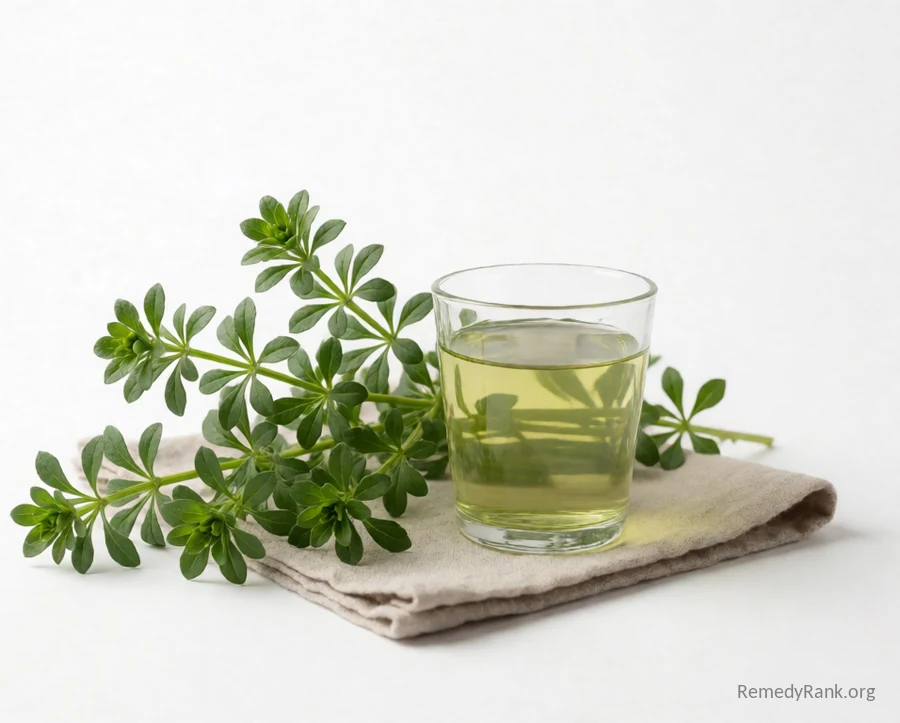 ⤢
⤢📊 How it ranks (our editor score) — 73/100Tap to see the breakdown
🌱 What it is
Cleavers is a scrambling spring plant covered in tiny hooked hairs that make it cling to clothing and fur. It's traditionally prepared as a cool (not hot) infusion.
📜 Where it comes from
Cleavers has long been used in European folk herbalism as a spring tonic, traditionally gathered fresh and prepared as a cool infusion rather than a hot tea to preserve its gentle properties. Folk healers valued it for supporting the lymph system, urinary tract, and skin during the seasonal transition into spring.
✨ Why it's good for you
- May help support the lymph system
- May help support healthy urinary tract function
- May help support clear, healthy-looking skin
- May help provide a light, refreshing spring tonic
🥗 Nutrition
Per 1 cup brewed tea / fresh herb · about 3 calories
- Vitamin C (trace)
- Tannins
- Negligible macronutrients
Source: Nutrition estimate (per typical serving)
🥄 How to use it
Make a cool infusionA tea made by steeping soft leaves or flowers in hot water. How to make an infusion → — steep a handful of fresh (or 1 tablespoon dried) cleavers in cool water for several hours — and sip through the day; gentle heat destroys its delicate qualities, so cool-steeping is traditional.
How much: A cool infusionA tea made by steeping soft leaves or flowers in hot water. How to make an infusion → of a handful fresh (or 1 tablespoon dried) per cup, sipped through the day.
Why it works: Cleavers is traditionally regarded as a lymphatic herbA plant, or part of one, used for flavor, food, or gentle health support. More →, meaning herbalists believe it gently supports the flow of lymph fluid through the body, while also acting as a mild diuretic that helps flush the urinary tract and support clear skin.
Show full details & how to prepare it
Cleavers is the clingy, sticky 'goosegrass' that catches on clothes in spring, and herbalists prize it as a gentle support for the lymphatic system — the body's drainage network — as well as the urinary tract and skin. It's traditionally prepared as a cool-water infusionA tea made by steeping soft leaves or flowers in hot water. How to make an infusion → to keep its delicate qualities intact.
Ways to prepare it
⚠️ Cautions
- Acts as a mild diuretic — stay hydrated and go easy with water pills.
- Generally very gentle; those with diabetes or on blood-pressure medicine should be mindful.
- Make sure foraged cleavers are correctly identified and from a clean area.
📚 Learn more
🌿 Deeper natural detail
🩺 The conventional view
🔎 What this addresses
Where Cleavers fits into a condition's cause-and-symptom picture — some conditions it works on the root cause of, others it mainly soothes.
Works on the cause of
- Eczema — Traditionally taken as a spring tonic and 'blood cleanser' for skin conditions; there is no eczema clinical evidence for it.
💬 Ask Remy about Cleavers
📚 Resource confidence
Based on mentions in health references
Your vote is saved. Source endorsement totals come from books and studies (+7 per book, +5 per article). You can change your vote anytime from this device.
💬 Comments & experiences
Share what worked for you — and reply or 👍 like the experiences that resonate. Comments get a quick review before they appear publicly, to keep things safe and honest. Please don't make medical claims.
💚 Have an experience to share? Create a free account to join the conversation — your words might be exactly what someone else needs. Reading is always open to everyone.
Know a remedy like this?
Share a structured suggestion and our team will review it for the site.
Suggest a similar remedy