Food
Broccoli Sprouts
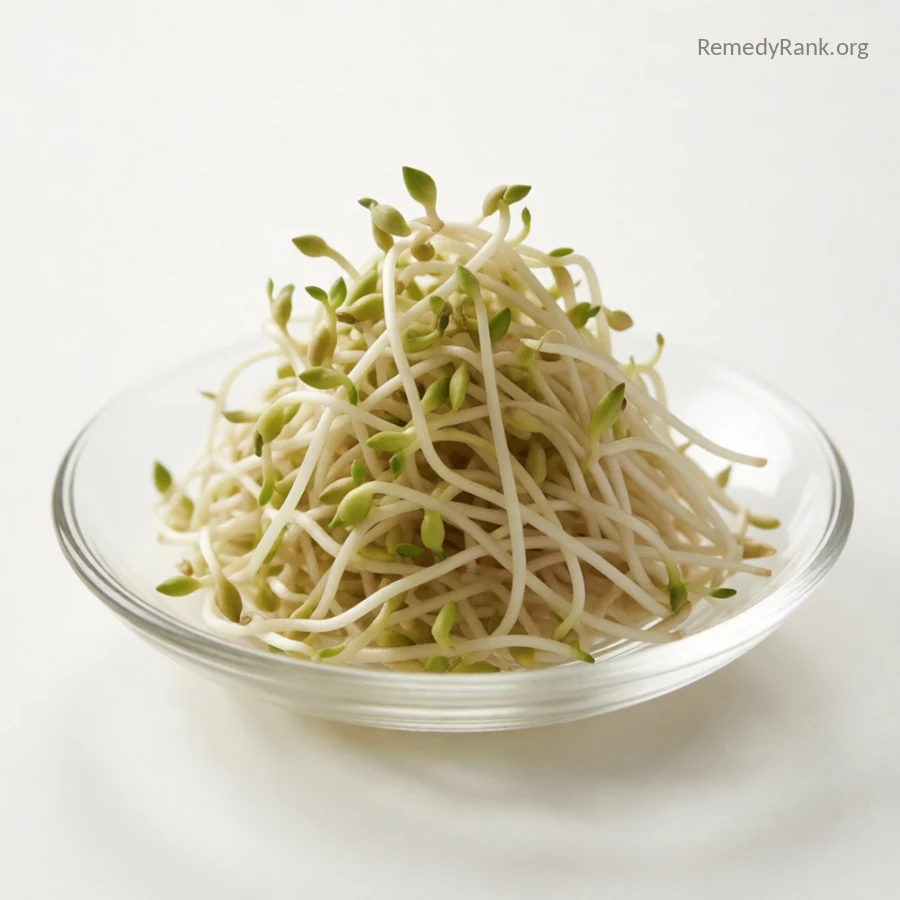
Broccoli sprouts are young broccoli shoots concentrated in sulforaphane, a plant compound studied for antioxidant-support pathways.
 ⤢
⤢📊 How it ranks (our editor score) — 72/100Tap to see the breakdown
🌱 What it is
Broccoli sprouts are the tender, 3-5 day-old shoots of the broccoli plant, eaten raw for a peppery crunch and a much higher concentration of sulforaphane-forming compounds than mature broccoli.
📜 Where it comes from
Broccoli sprouts moved from an ordinary garden vegetable into a specific health food after researchers in the 1990s discovered that the young shoots contain far higher concentrations of sulforaphane-forming compounds than mature broccoli. This finding sparked a wave of interest in eating them raw for their antioxidant-related plant compounds. Their rise reflects a modern nutritional science discovery rather than an old folk tradition.
✨ Why it's good for you
- Studied for supporting the body's natural antioxidant enzyme systems
- A concentrated, low-calorie way to add cruciferous plant compounds to meals
- May help support a healthy inflammation response as part of a balanced diet
- Easy and inexpensive to grow at home for a fresh supply
🥄 How to use it
Add a small handful of fresh broccoli sprouts to sandwiches, salads, or smoothies. They're best eaten raw, since heat can reduce the enzyme needed to form sulforaphane.
How much: A small handful (about 1/4 to 1/2 cup) added to meals a few times a week is a typical amount.
Why it works: Chewing sprouts releases an enzyme (myrosinase) that converts a precursor compound into sulforaphane, which is studied in early research for supporting the body's natural antioxidantA helpful substance in colorful fruits and vegetables that protects your cells from everyday wear and tear. More → defenses.
⚠️ Cautions
- Raw sprouts of any kind carry a higher risk of bacterial contamination (salmonella, E. coli)... buy from a reputable source or grow at home with clean technique; pregnant, elderly, or immunocompromised people should take extra care.
- People on blood-thinning medication should ask a doctor before eating large, regular amounts of cruciferous vegetables due to vitamin K content.
- Those with thyroid conditions should discuss cruciferous vegetable intake with a doctor, as very large amounts may affect iodine uptake.
📚 Learn more
🌿 Deeper natural detail
🩺 The conventional view
Curated links coming for this one.
💬 Ask Remy about Broccoli Sprouts
📚 Resource confidence
Based on mentions in health references
Your vote is saved. Source endorsement totals come from books and studies (+7 per book, +5 per article). You can change your vote anytime from this device.
💬 Comments & experiences
Share what worked for you — and reply or 👍 like the experiences that resonate. Comments get a quick review before they appear publicly, to keep things safe and honest. Please don't make medical claims.
💚 Have an experience to share? Create a free account to join the conversation — your words might be exactly what someone else needs. Reading is always open to everyone.
Know a remedy like this?
Share a structured suggestion and our team will review it for the site.
Suggest a similar remedy