Whole Grain
Amaranth
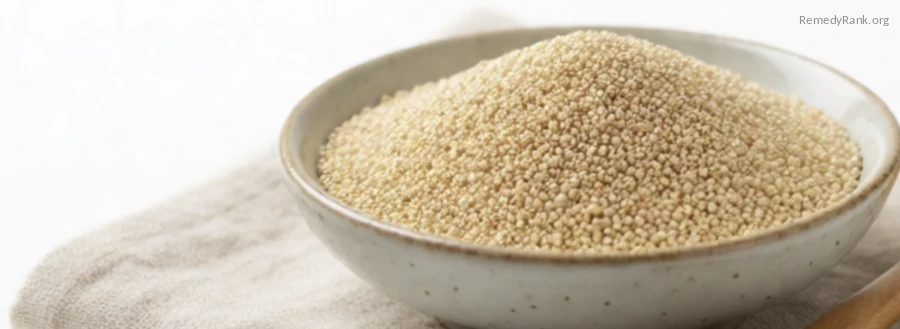
A tiny ancient seed-grain, naturally gluten-free and unusually rich in protein, iron, and calcium.
 ⤢
⤢📊 How it ranks (our editor score) — 85/100Tap to see the breakdown
🌱 What it is
Amaranth is an ancient seed, tiny and gluten-free, grown and eaten by cultures across the Americas long before modern grains took over — technically a seed, but cooked and used just like a grain.
📜 Where it comes from
Amaranth was a sacred staple crop of the Aztec and other Mesoamerican peoples, cultivated for thousands of years and used in both everyday meals and religious ceremonies. Spanish colonizers suppressed its cultivation due to its ceremonial associations, but the grain survived in traditional farming communities across the Americas. It has seen renewed interest in modern times as a nutrient-dense, gluten-free ancient grain.
✨ Why it's good for you
- May help supply plant protein along with fiber
- May help provide iron and calcium for strong blood and bones
- May help support healthy digestion
- May help offer a gluten-free whole-grain option
🥗 Nutrition
Per 1 cup cooked (246g) · about 251 calories
- Protein 9.3g
- Iron 5.2mg
- Magnesium 160mg
- Fiber 5.2g
Source: USDA FoodData Central
🥄 How to use it
Simmer into a soft porridge, stir into soups to thicken them, or pop the dry grains like miniature popcorn.
How much: A practical food amount is about half a cup of cooked amaranth several times a week, as a porridge, soup thickener, or grain side.
Why it works: Nutrition science points to amaranth's complete protein profile along with its iron and calcium content as support for overall nourishment, particularly valued in gluten-free diets.
Show full details & how to prepare it
Amaranth is not a true grain but the tiny seed of a leafy plant, prized for thousands of years by the peoples of the Americas. Each seed is no bigger than a poppy seed, yet packed together they deliver an impressive amount of nourishment — notably more protein, iron, and calcium than most ordinary grains, and the protein is unusually complete for a plant food.
That richness makes amaranth a quiet ally for the blood and the bones: its iron helps guard against anemia, and its calcium and magnesium support the skeleton. Like other whole grains its fiber helps carry away cholesterol and slows the rise of blood sugar. And because it is naturally free of gluten, it suits people who must avoid wheat and rye.
Amaranth cooks into a soft, slightly sticky porridge rather than fluffy separate grains, which makes it perfect for breakfast bowls and for thickening soups. Some cooks also toast the dry seeds until they pop like miniature popcorn.
Ways to prepare it
⚠️ Cautions
- Always cook amaranth well — like other grains it is meant to be eaten cooked, not raw.
- Its sticky texture suits porridge and blends better than fluffy pilafs; combine with other grains if preferred.
📚 Learn more
🌿 Deeper natural detail
🩺 The conventional view
💬 Ask Remy about Amaranth
📚 Resource confidence
Based on mentions in health references
Your vote is saved. Source endorsement totals come from books and studies (+7 per book, +5 per article). You can change your vote anytime from this device.
💬 Comments & experiences
Share what worked for you — and reply or 👍 like the experiences that resonate. Comments get a quick review before they appear publicly, to keep things safe and honest. Please don't make medical claims.
💚 Have an experience to share? Create a free account to join the conversation — your words might be exactly what someone else needs. Reading is always open to everyone.
Know a remedy like this?
Share a structured suggestion and our team will review it for the site.
Suggest a similar remedy