Legume
Tempeh
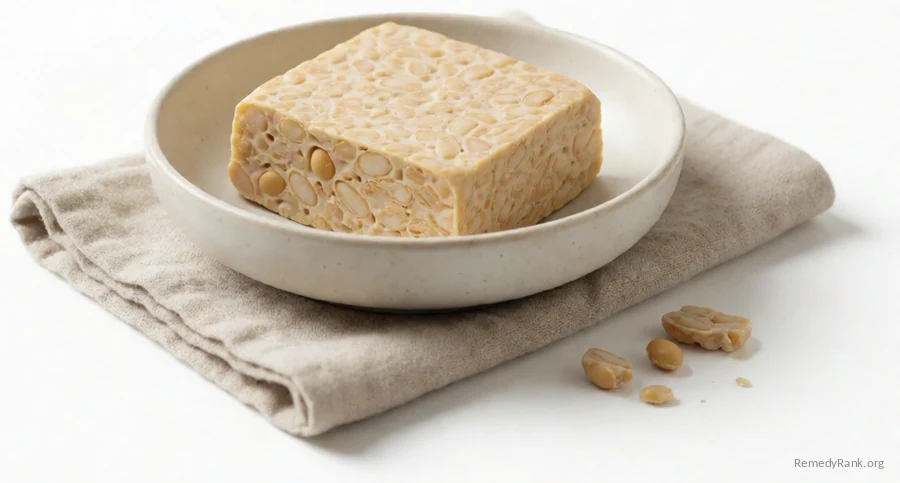
A firm, nutty-tasting cake of fermented whole soybeans, higher in protein and fiber than tofu.
 ⤢
⤢📊 How it ranks (our editor score) — 91/100Tap to see the breakdown
🌱 What it is
Tempeh is made by fermenting whole cooked soybeans with a beneficial mold culture, which binds them into a firm, sliceable cake with a nutty, slightly mushroomy flavor. Because it uses the whole bean, it keeps more fiber than tofu.
📜 Where it comes from
Tempeh originated on the island of Java in Indonesia, likely several centuries ago, where it was developed as a way to preserve and transform soybeans using a beneficial mold culture, becoming a dietary staple across Indonesian cooking. Javanese cooks traditionally wrapped soaked, cooked soybeans in banana leaves to ferment. Tempeh spread internationally in the 20th century as vegetarian and whole-food diets grew in popularity in the West.
✨ Why it's good for you
- A complete plant protein, higher in protein per serving than tofu
- Fermentation makes some nutrients easier for the body to use
- Keeps more fiber than tofu since the whole soybean is used
- May help support healthy cholesterol levels
🥗 Nutrition
Per 1/2 cup (83g) · about 160 calories
- Protein 15.4g
- Fiber 4.5g
- Calcium 92mg
- Manganese 1.1mg
Source: USDA FoodData Central
🥄 How to use it
Slice and pan-fry, bake, or steam tempeh before eating (steaming first can mellow its flavor); marinate it well since it readily soaks up seasonings.
Why it works: Nutrition science attributes tempeh's higher protein and fiber content, compared to tofu, to its use of the whole fermented soybean, while the fermentation process is said by food scientists to make its nutrients more digestible.
⚠️ Cautions
- A soy allergy is a clear reason to avoid it. Tempeh is a fermented food (mold-cultured, not alcoholic) -- choose fresh, properly refrigerated product and cook it before eating.
📚 Learn more
🌿 Deeper natural detail
Curated links coming for this one.
🩺 The conventional view
💬 Ask Remy about Tempeh
📚 Resource confidence
Based on mentions in health references
Your vote is saved. Source endorsement totals come from books and studies (+7 per book, +5 per article). You can change your vote anytime from this device.
💬 Comments & experiences
Share what worked for you — and reply or 👍 like the experiences that resonate. Comments get a quick review before they appear publicly, to keep things safe and honest. Please don't make medical claims.
💚 Have an experience to share? Create a free account to join the conversation — your words might be exactly what someone else needs. Reading is always open to everyone.
Know a remedy like this?
Share a structured suggestion and our team will review it for the site.
Suggest a similar remedy