Herb
Tarragon
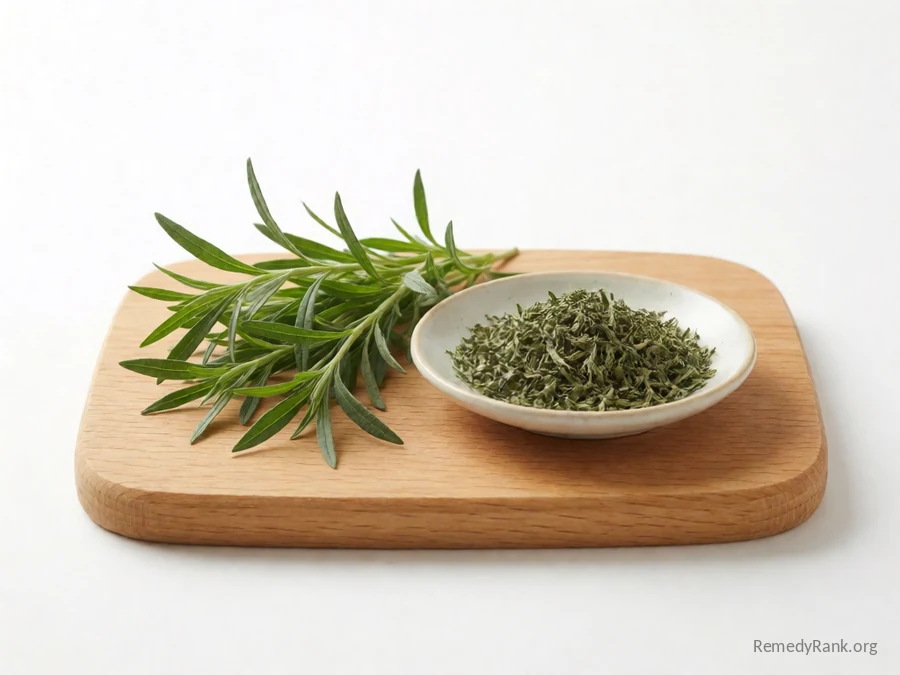
A fragrant kitchen herb with a gentle, anise-like warmth that soothes digestion and the appetite.
 ⤢
⤢📊 How it ranks (our editor score) — 83/100Tap to see the breakdown
🌱 What it is
Tarragon is a slender, fragrant culinary herb with a soft anise-like flavor, long used in French cooking and traditional kitchen remedies for the stomach.
📜 Where it comes from
Tarragon has long been prized in French cooking, where it became one of the classic fines herbes, and French tradition also used it as a digestive aid taken after rich meals. Its use likely traces further back to Central Asian and Mediterranean regions, where related wormwood-family plants were used in folk medicine for the stomach and appetite. Medieval herbalists sometimes recommended tarragon to settle the digestion and freshen the breath.
✨ Why it's good for you
- may help support comfortable digestion after meals
- may help support a healthy appetite
- may help support relaxation as a mild after-dinner tea
- may help support flavorful, lower-salt cooking
🥗 Nutrition
Per 1 tablespoon, dried (1.6g) · about 5 calories
- Manganese 0.2mg
- Iron 0.6mg
- Potassium 68mg
- Vitamin A 8mcg
Source: USDA FoodData Central
🥄 How to use it
Stir fresh or dried tarragon into soups, dressings, and vegetable dishes, or steep it as a mild teaA warm drink made by steeping herbs in hot water. How to make a tea →.
How much: A teaspoon of dried or a tablespoon of fresh tarragon in cooking, or one cup of light tarragon teaA warm drink made by steeping herbs in hot water. How to make a tea →.
Why it works: Herbalists attribute tarragon's digestive reputation to its aromatic oils, which are said to gently stimulate digestive juices and ease a sluggish appetite.
Show full details & how to prepare it
Tarragon is the elegant green herbA plant, or part of one, used for flavor, food, or gentle health support. More → behind many French sauces, with a delicate flavor reminiscent of anise and fresh hay. Beyond the kitchen it has a long, gentle reputation as a digestive: a little tarragon stirred into a meal or sipped as a mild teaA warm drink made by steeping herbs in hot water. How to make a tea → was traditionally taken to settle the stomach, ease bloating, and coax a sluggish appetite, and the herb has a mild calming quality some find helpful toward restful evenings.
As with most culinary herbs, its place is in food amounts. The flavor is generous, so a little goes a long way, and the concentrated essential oilA very concentrated plant oil — always diluted before it touches skin. How to make an essential oil → is a different matter entirely and not for swallowing.
Ways to prepare it
⚠️ Cautions
- Use tarragon in ordinary culinary amounts; concentrated tarragon essential oil should not be taken internally.
- Pregnant women should keep to food amounts and avoid medicinal doses.
📚 Learn more
🌿 Deeper natural detail
🩺 The conventional view
💬 Ask Remy about Tarragon
📚 Resource confidence
Based on mentions in health references
Your vote is saved. Source endorsement totals come from books and studies (+7 per book, +5 per article). You can change your vote anytime from this device.
💬 Comments & experiences
Share what worked for you — and reply or 👍 like the experiences that resonate. Comments get a quick review before they appear publicly, to keep things safe and honest. Please don't make medical claims.
💚 Have an experience to share? Create a free account to join the conversation — your words might be exactly what someone else needs. Reading is always open to everyone.
Know a remedy like this?
Share a structured suggestion and our team will review it for the site.
Suggest a similar remedy