Herb
Rosemary
A fragrant kitchen herb, brewed as tea or breathed in, traditionally linked to clear thinking, good circulation, and easy digestion.
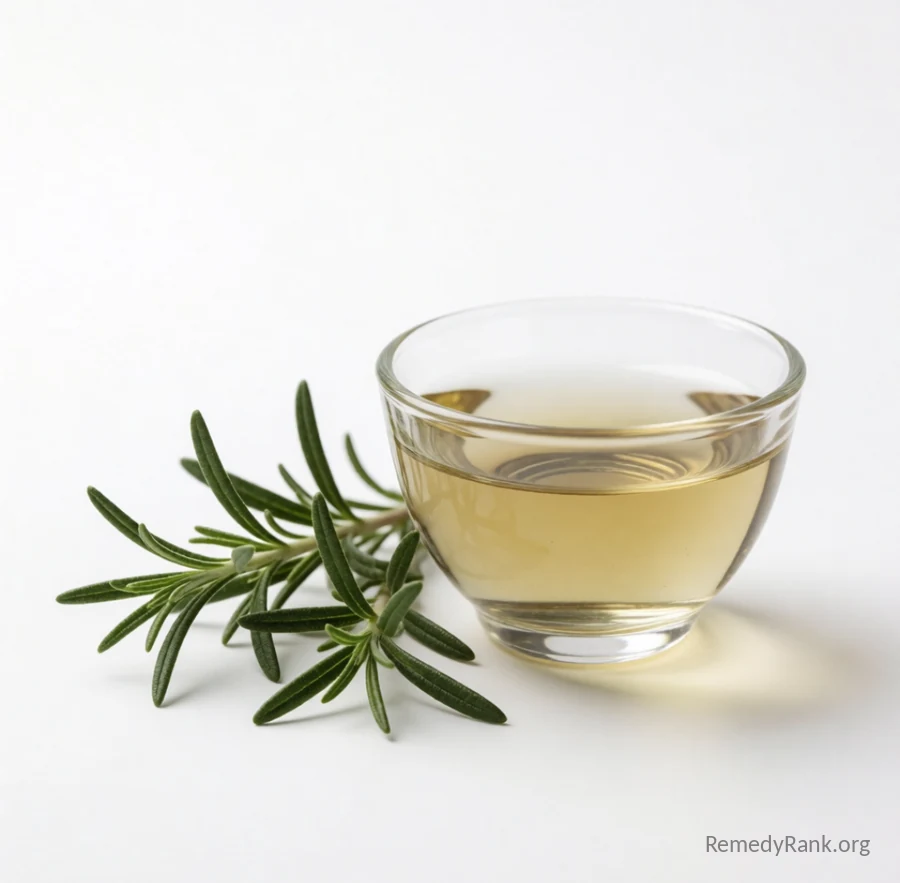 ⤢
⤢📊 How it ranks (our editor score) — 87/100Tap to see the breakdown
🌱 What it is
Rosemary is a fragrant, needle-leaved evergreen herb common in kitchen gardens, used both as a culinary seasoning and brewed as a tea.
📜 Where it comes from
Rosemary was treasured by Greco-Roman physicians and scholars, who associated it with memory and clear thinking, a reputation that carried into medieval European tradition where students reportedly wore rosemary sprigs while studying. It was also burned and used in sickrooms for its fragrance, believed to purify the air. That old association with focus, circulation, and digestion has followed rosemary through centuries of European herbal use.
✨ Why it's good for you
- Traditionally used to support clear thinking and focus
- May help support healthy digestion after meals
- Traditionally linked to healthy circulation
- Often used simply for its calming, fragrant aroma
🥗 Nutrition
Per 1 tablespoon fresh rosemary (3g) · about 4 calories
- Iron
- Vitamin A
- Calcium
- Antioxidants
Source: USDA FoodData Central
🥄 How to use it
Steep 1 teaspoon of dried rosemary in hot water for 10 minutes and sip after meals or when you need a lift; the aroma alone, fresh or as a diluted oil, is part of its traditional use for focus.
How much: A practical amount is 1 teaspoon of dried rosemary as teaA warm drink made by steeping herbs in hot water. How to make a tea →, or generous use in cooking; avoid concentrated oil internally.
Why it works: Stimulates head circulation and helps prevent premature baldness.
Show full details & how to prepare it
Rosemary is the piney, fragrant herbA plant, or part of one, used for flavor, food, or gentle health support. More → of the kitchen garden, and across history it's been the herb of remembrance... used for clear thinking and focus, for warming sluggish circulation, and for settling a heavy stomach after a rich meal.
A simple teaA warm drink made by steeping herbs in hot water. How to make a tea → of the dried leaves, sipped after eating, is the gentlest way to enjoy it, and its bright aroma alone is part of the tradition for lifting concentration. Stick to food and tea amounts: the concentrated essential oilA very concentrated plant oil... always diluted before it touches skin. How to make an essential oil → is far stronger and not for swallowing.
Ways to prepare it
🔬 Let's get technical
The scientific view, plainly reported. Hover a dotted word for its meaning.
What's in it
Rosemary's is dominated by , camphor, and , giving the leaf its sharp, resinous aroma. Separately, the leaf carries diterpenes -- and its oxidation product carnosol -- along with , a caffeic-acid-derived phenolic that is common across the mint family.
Mechanism of action
and carnosol are potent free-radical scavengers and have been studied for activation of the Nrf2 antioxidant-response pathway, which upregulates the body's own detoxifying enzymes. shows anti-inflammatory activity in laboratory models, partly through inhibition of inflammatory mediator production. has documented mild inhibitory activity on , the enzyme that breaks down the neurotransmitter acetylcholine, a mechanism proposed as one basis for traditional associations with mental clarity. Rosemary constituents have also been studied for mild (bile-flow-stimulating) and effects that would plausibly support digestion, and for local contributing to traditional claims around circulation.
Current pharmacological applications
Rosemary extracts standardized to and content have been studied in small human trials for cognitive performance and mood, with mixed and generally modest results. Laboratory and animal research on anti-inflammatory and activity is more extensive than the human clinical evidence base, which remains preliminary. Traditional use as a circulatory and digestive tonic predates the phytochemical research and is not itself clinical evidence.
Every underlined word is collected on the technical glossary.
⚠️ Cautions
- Food and tea amounts are very safe; avoid large medicinal doses and the concentrated oil internally.
- Avoid medicinal amounts in pregnancy; high doses may not suit those with seizure disorders.
- Very strong infusions may interact with blood thinners... keep to culinary amounts.
📚 Learn more
🌿 Deeper natural detail
🩺 The conventional view
💬 Ask Remy about Rosemary
📚 Resource confidence
Based on mentions in health references
Your vote is saved. Source endorsement totals come from books and studies (+7 per book, +5 per article). You can change your vote anytime from this device.
💬 Comments & experiences
Share what worked for you — and reply or 👍 like the experiences that resonate. Comments get a quick review before they appear publicly, to keep things safe and honest. Please don't make medical claims.
💚 Have an experience to share? Create a free account to join the conversation — your words might be exactly what someone else needs. Reading is always open to everyone.
Know a remedy like this?
Share a structured suggestion and our team will review it for the site.
Suggest a similar remedy