Vegetable
Parsnip
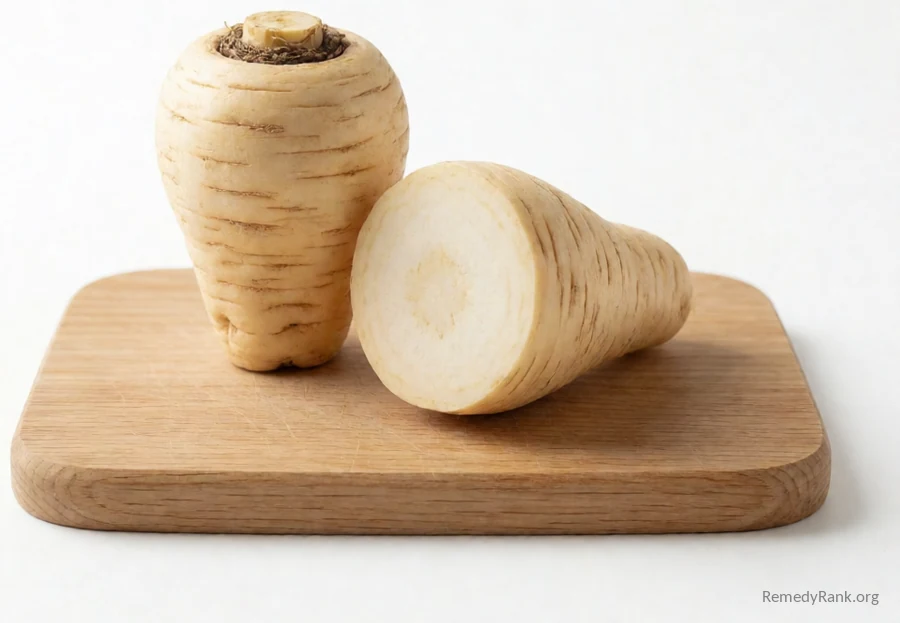
A sweet, cream-colored root, rich in fiber and potassium, that gently supports digestion and healthy blood pressure.
 ⤢
⤢📊 How it ranks (our editor score) — 94/100Tap to see the breakdown
🌱 What it is
Parsnip is a cream-colored root vegetable, related to carrots, with a sweet, earthy flavor that deepens with roasting or slow cooking.
📜 Where it comes from
Parsnips were cultivated by the ancient Greeks and Romans, who used them as both food and a sweetener before cane sugar was widely available in Europe. They became a staple root vegetable through the Middle Ages, especially valued after winter frost, which traditional farmers found made the roots sweeter. Parsnips were eventually overshadowed in popularity by the potato but remained a beloved traditional vegetable in European kitchens.
✨ Why it's good for you
- May help support healthy digestion with its fiber
- May help support healthy blood pressure with potassium
- May help supply folate and vitamin C
- May help provide natural sweetness without added sugar
🥗 Nutrition
Per 1 cup sliced, cooked (156g) · about 110 calories
- Fiber 6.2g
- Potassium 573mg
- Vitamin C 20.3mg
- Folate 90.5mcg
Source: USDA FoodData Central
🥄 How to use it
Roast until caramelized, mash like potatoes, or simmer into soups for natural sweetness.
How much: A practical food amount is about a cup of cooked parsnip a few times a week.
Why it works: Nutrition science points to parsnip's fiber and potassium content as support for digestionHow your body breaks food down into pieces small enough to use for energy. More → and healthy blood pressure, with its natural sweetness making it a favored root in traditional cooking.
Show full details & how to prepare it
The parsnip is a cream-colored cousin of the carrot, an old-fashioned root that grows sweeter after a touch of frost. Long before sugar was common it brought a gentle, honeyed sweetness to the winter table.
Beneath that sweetness it is a quiet workhorse of fiber, which keeps digestionHow your body breaks food down into pieces small enough to use for energy. More → moving comfortably and helps steady the appetite, along with a good measure of potassium, the mineralA natural building block your body needs in small amounts, like calcium or magnesium. More → that helps balance sodium and ease the pressure within the blood vessels. Roasted, mashed or simmered, it is warming, filling and deeply satisfying.
Parsnip is a safe and friendly food. Because it is starchier than many vegetables its natural sugars are worth counting for anyone minding blood sugar, and like the whole carrot family its raw tops are best handled in good light — small notes for an otherwise gentle root.
Ways to prepare it
⚠️ Cautions
- Its natural sugars make it more starchy than many vegetables, so those watching blood sugar should keep portions modest.
- Handle the raw skin in good light; like its carrot cousins, parsnip foliage can rarely cause skin sensitivity in sunlight.
📚 Learn more
🌿 Deeper natural detail
🩺 The conventional view
💬 Ask Remy about Parsnip
📚 Resource confidence
Based on mentions in health references
Your vote is saved. Source endorsement totals come from books and studies (+7 per book, +5 per article). You can change your vote anytime from this device.
💬 Comments & experiences
Share what worked for you — and reply or 👍 like the experiences that resonate. Comments get a quick review before they appear publicly, to keep things safe and honest. Please don't make medical claims.
💚 Have an experience to share? Create a free account to join the conversation — your words might be exactly what someone else needs. Reading is always open to everyone.
Know a remedy like this?
Share a structured suggestion and our team will review it for the site.
Suggest a similar remedy