Food
Olive Oil
A golden-green oil at the heart of the Mediterranean diet, valued for the heart and its gentle anti-inflammatory action.
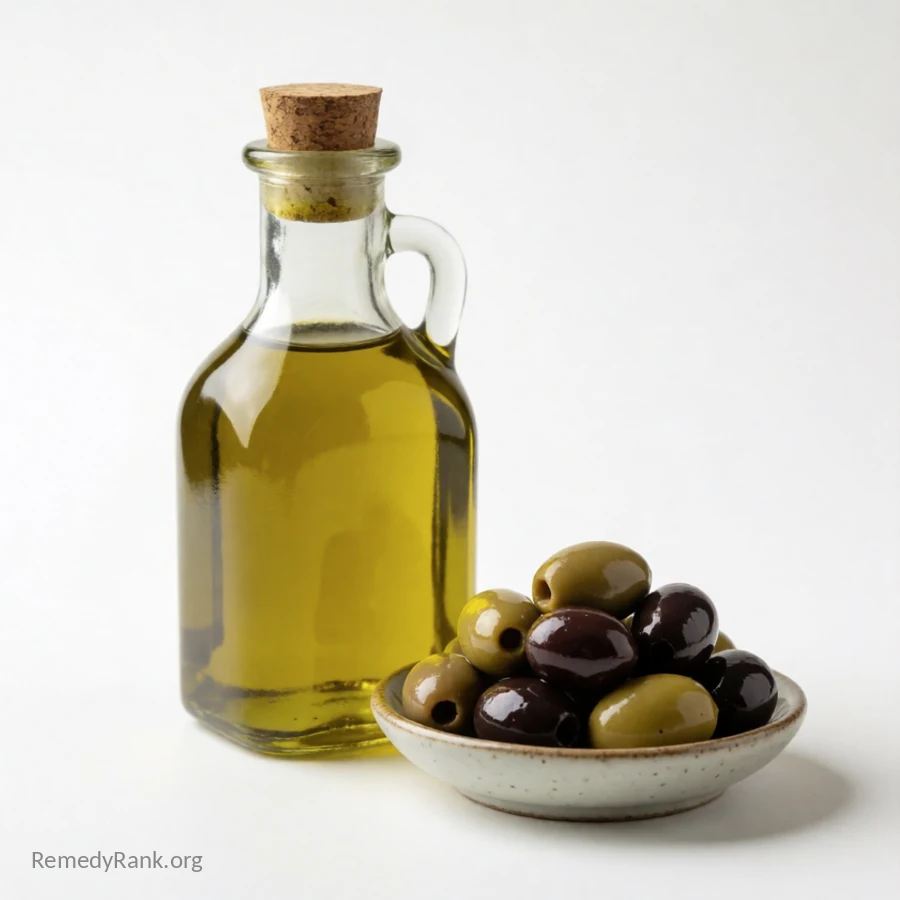 ⤢
⤢📊 How it ranks (our editor score) — 90/100Tap to see the breakdown
🌱 What it is
Olive oil is pressed from the fruit of the olive tree; extra-virgin olive oil, from the first cold pressing, keeps the most flavor and nutrients.
📜 Where it comes from
Olive oil has been pressed in the Mediterranean for thousands of years, used by ancient Greeks and Romans for cooking, anointing, and medicine. It remains the signature fat of the traditional Mediterranean diet, a pattern of eating studied extensively since the mid-20th century for its association with heart health.
✨ Why it's good for you
- May help support heart and blood vessel health
- May help support healthy cholesterol levels
- May help support healthy inflammation levels
- May help support healthy skin when used in cooking and the diet
🥗 Nutrition
Per 1 tablespoon (13.5 g) · about 119 calories
- Monounsaturated fat: 9.9 g
- Vitamin E: 1.9 mg
- Vitamin K: 8.1 mcg
Source: USDA FoodData Central
🥄 How to use it
Use extra-virgin olive oil as your main fat — drizzled over salads and vegetables, or used in gentle cooking; a tablespoon or two a day fits a heart-healthy diet.
How much: About 1–2 tablespoons a day as your main dietary fat.
Why it works: Researchers point to olive oil's monounsaturated fats and polyphenol antioxidants as supporting healthy cholesterol and calming inflammationThe body's natural response to injury — like redness, swelling, or heat around a sore spot. More → in the body.
Show full details & how to prepare it
Extra-virgin olive oil is the golden-green cornerstone of the Mediterranean way of eating, rich in monounsaturated fats and natural anti-inflammatoryA food or habit that helps calm swelling and redness in the body. More → compounds that together support the heart, healthy cholesterol, and blood pressure. Swapping it in for harder fats is one of the simplest heart-friendly changes there is.
Ways to prepare it
🔬 Let's get technical
The scientific view, plainly reported. Hover a dotted word for its meaning.
What's in it
Extra-virgin olive oil is predominantly monounsaturated fat, chiefly , and carries a distinctive fraction including , , and that is largely lost in refined olive oil. It also supplies vitamin E and other minor antioxidant compounds concentrated in the unrefined, cold-pressed product.
Mechanism of action
has been shown in laboratory studies to inhibit enzymes in a manner pharmacologically similar to ibuprofen, producing the mild throat-irritating pungency characteristic of high-quality extra-virgin oil alongside a corresponding anti-inflammatory action at the enzyme level. and act as potent free-radical scavengers and are studied for reducing oxidative modification of , a step considered relevant to early atherosclerotic plaque formation. The high content itself is associated with favorable shifts in blood lipid profiles when it replaces saturated fat in the diet, and olive oil's are additionally studied for down-regulating inflammatory gene expression pathways such as in endothelial cells.
Current pharmacological applications
Olive oil is central to the Mediterranean dietary pattern studied in large cohort studies and the PREDIMED randomized trial, which found reduced cardiovascular events in participants supplementing their diet with extra-virgin olive oil compared with a low-fat control diet. Observational evidence also associates higher olive oil intake with lower markers of inflammation and improved , though as with most whole-diet research, isolating olive oil's independent contribution from the broader dietary pattern is difficult. Evidence is strongest for the extra-virgin, minimally processed form, since refining removes much of the content thought to carry the anti-inflammatory activity.
Every underlined word is collected on the technical glossary.
⚠️ Cautions
- A whole-food fat and very safe; it's calorie-dense, so use sensible amounts.
- Choose genuine extra-virgin olive oil for the most benefit.
- Very large amounts can have a mild laxative effect.
📚 Learn more
🌿 Deeper natural detail
🩺 The conventional view
💬 Ask Remy about Olive Oil
📚 Resource confidence
Based on mentions in health references
Your vote is saved. Source endorsement totals come from books and studies (+7 per book, +5 per article). You can change your vote anytime from this device.
💬 Comments & experiences
Share what worked for you — and reply or 👍 like the experiences that resonate. Comments get a quick review before they appear publicly, to keep things safe and honest. Please don't make medical claims.
💚 Have an experience to share? Create a free account to join the conversation — your words might be exactly what someone else needs. Reading is always open to everyone.
Know a remedy like this?
Share a structured suggestion and our team will review it for the site.
Suggest a similar remedy