Vegetable
Mushrooms
Everyday culinary mushrooms, eaten cooked, that support immunity and the heart and can supply vitamin D.
 ⤢
⤢📊 How it ranks (our editor score) — 85/100Tap to see the breakdown
🌱 What it is
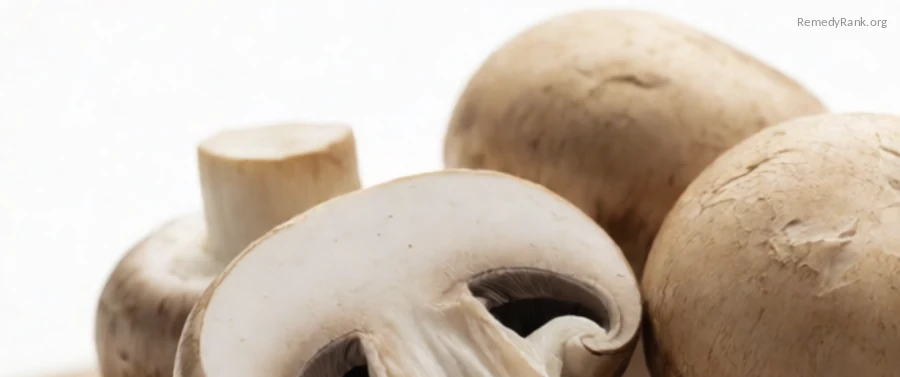
Mushrooms are common culinary fungi... button, cremini, portobello, and others... cooked and enjoyed as a hearty, low-calorie food.
📜 Where it comes from
Culinary mushrooms have been gathered and cultivated for centuries, with cultivation of button mushrooms tracing to French growers in the 1600s and 1700s. Various cultures have long valued mushrooms as a hearty meat alternative and, in some folk traditions, as a support for vitality and immunity.
✨ Why it's good for you
- May help support healthy immune function
- May help support heart health
- May help supply vitamin D when sun-exposed before use
- May help support gut health with fiber and antioxidants
🥗 Nutrition
Per 1 cup sliced, cooked (~156g) · about 44 calories
- Protein 4.9g
- Potassium 555mg
- Riboflavin 0.5mg
- Selenium 15mcg
Source: USDA FoodData Central
🥄 How to use it
Cook mushrooms (sautéed, roasted, or in soups) and enjoy them often; mushrooms left in sunlight can develop vitamin D, like our skin.
How much: A serving of cooked mushrooms, several times a week.
Why it works: Culinary mushrooms contain beta-glucans, plant compounds nutritionists say help support normal immune activity, and when exposed to sunlight before or after harvest they can also generate meaningful amounts of vitamin D.
Show full details & how to prepare it
Everyday mushrooms... button, cremini, shiitake, and the like... are rich in compounds that support the immune systemYour body's built-in defense team that fights off germs and helps you heal. More →, fiber that helps with cholesterol, and (remarkably) the ability to make vitamin D when exposed to sunlight, just as our skin does. Always cook them, and only ever eat mushrooms known to be safe.
Ways to prepare it
⚠️ Cautions
- Only ever eat mushrooms you know are safe... never wild-foraged ones unless an expert confirms them.
- Always cook culinary mushrooms; raw ones are harder to digest.
- A rare allergy is possible.
📚 Learn more
🌿 Deeper natural detail
Curated links coming for this one.
🩺 The conventional view
💬 Ask Remy about Mushrooms
📚 Resource confidence
Based on mentions in health references
Your vote is saved. Source endorsement totals come from books and studies (+7 per book, +5 per article). You can change your vote anytime from this device.
💬 Comments & experiences
Share what worked for you — and reply or 👍 like the experiences that resonate. Comments get a quick review before they appear publicly, to keep things safe and honest. Please don't make medical claims.
💚 Have an experience to share? Create a free account to join the conversation — your words might be exactly what someone else needs. Reading is always open to everyone.
Know a remedy like this?
Share a structured suggestion and our team will review it for the site.
Suggest a similar remedy