Legume
Lima Beans
A creamy, buttery bean, rich in fiber and potassium, that supports healthy blood pressure and cholesterol and keeps digestion regular.
 ⤢
⤢📊 How it ranks (our editor score) — 87/100Tap to see the breakdown
🌱 What it is
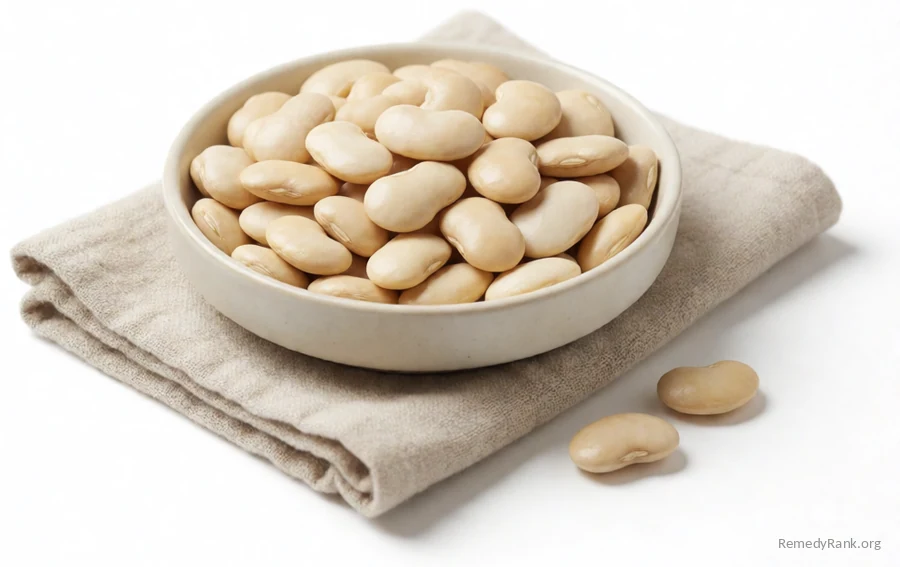
Lima beans are pale, flat legumes with a soft, buttery texture once cooked, sometimes called butter beans, and used in soups, sides, and stews.
📜 Where it comes from
Lima beans originated in Peru, where indigenous peoples cultivated them for thousands of years, and they take their name from the Peruvian capital through which they were later exported to the rest of the world. They spread through the Americas and eventually to Africa and Asia via trade routes. Traditional Peruvian and later Southern American cooking prized their creamy, buttery texture.
✨ Why it's good for you
- May help support healthy blood pressure with potassium
- May help support healthy cholesterol levels
- May help keep digestion regular with fiber
- May help provide filling plant protein
🥗 Nutrition
Per 1 cup cooked (188g) · about 216 calories
- Protein 14.7g
- Fiber 13.2g
- Potassium 955mg
- Iron 4.5mg
Source: USDA FoodData Central
🥄 How to use it
Simmer until tender and serve as a side, fold into soups, or mash into a soft spread.
How much: A practical food amount is about half a cup to a cup cooked, several times a week.
Why it works: Nutrition science points to lima beans' fiber and potassium content as support for healthy blood pressure and cholesterol, along with steady digestive regularity.
Show full details & how to prepare it
The lima bean, sometimes called the butter bean for its soft, creamy texture, takes its name from the city of Lima in Peru, where it has been grown for thousands of years. Tender and mild, it turns a simple pot into comfort food.
It is especially rich in potassium, the mineralA natural building block your body needs in small amounts, like calcium or magnesium. More → that balances sodium and helps the blood vessels relax toward a healthier pressure, and it carries the soluble fiber that gathers up excess cholesterol and keeps digestionHow your body breaks food down into pieces small enough to use for energy. More → moving in a comfortable rhythm. Its plant protein makes it a filling, steadying centerpiece for a meatless meal.
Like other beans it must be cooked thoroughly — never eaten raw — and welcomed gradually with plenty of water so the body adjusts gently. Prepared simply, it is a safe and deeply nourishing food.
Ways to prepare it
⚠️ Cautions
- Always cook them well; raw lima beans are not safe to eat.
- Like all beans they may cause gas at first, so introduce them gradually with plenty of water.
📚 Learn more
🌿 Deeper natural detail
💬 Ask Remy about Lima Beans
📚 Resource confidence
Based on mentions in health references
Your vote is saved. Source endorsement totals come from books and studies (+7 per book, +5 per article). You can change your vote anytime from this device.
💬 Comments & experiences
Share what worked for you — and reply or 👍 like the experiences that resonate. Comments get a quick review before they appear publicly, to keep things safe and honest. Please don't make medical claims.
💚 Have an experience to share? Create a free account to join the conversation — your words might be exactly what someone else needs. Reading is always open to everyone.
Know a remedy like this?
Share a structured suggestion and our team will review it for the site.
Suggest a similar remedy