Practice
Early Bedtime
Turning in before midnight, aligned with the body's natural rest cycle, is a long-honored habit traditionally linked to deeper, more restorative sleep.
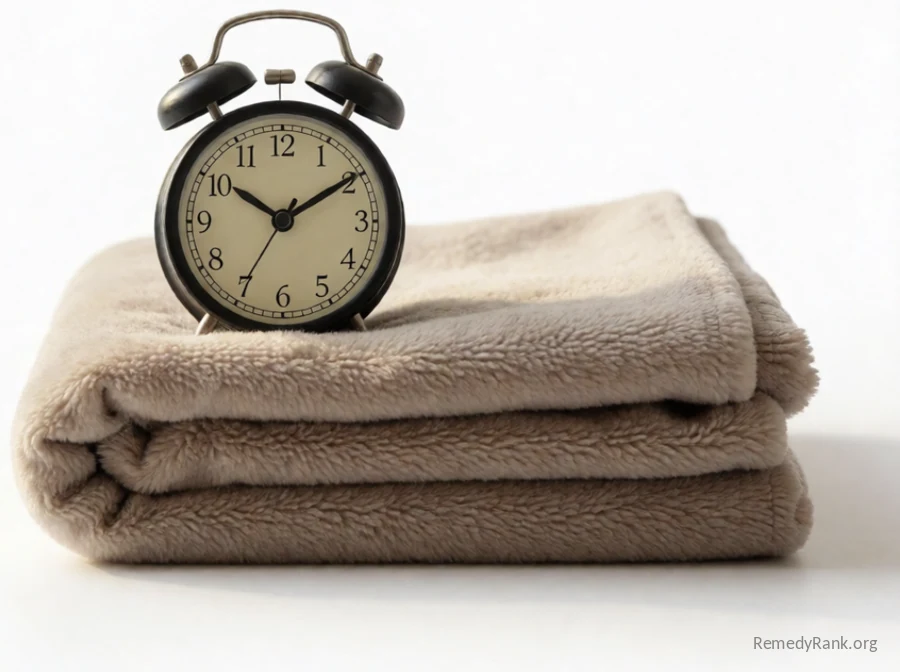 ⤢
⤢📊 How it ranks (our editor score) — 79/100Tap to see the breakdown
🌱 What it is
Early bedtime is the practice of going to sleep in the earlier evening hours rather than staying up late, giving the body a full night's rest in step with natural daylight rhythms.
📜 Where it comes from
The idea that early sleep aligns best with the body's natural rhythms runs through centuries of traditional health wisdom, and 19th century health-reform movements, including Battle Creek sanitarium teaching, strongly promoted regular early bedtimes as part of a disciplined, healthful daily schedule. This old counsel anticipated modern sleep-hygiene science by more than a century. Sleep researchers in recent decades have documented how earlier, more regular sleep timing supports deeper rest.
✨ Why it's good for you
- May help support more restorative sleep
- Studied as part of good 'sleep hygiene' for daytime alertness
- May help ease mild stress by giving the body more recovery time
- Free and simple to begin tonight
🙏 Begin with prayer
Prayer is the first remedy, not the last resort. Whether you are facing this yourself, caring for someone who is, or simply reading to understand — here is a simple prayer you are welcome to make your own, in your name or in theirs:
Heavenly Father, thank You for the gift of rest and for a body that needs sleep to be renewed each day. Bless this habit of an early bedtime, and grant me the discipline to lay down my worries with my head. As David wrote, I lay me down in peace, for You alone make me dwell in safety. If sleep will not come despite my efforts, lead me toward what this body needs. In Jesus' name, Amen.
“I will both lay me down in peace, and sleep: for thou, LORD, only makest me dwell in safety.”— Psalm 4:8
🥄 How to use it
Choose a consistent bedtime, ideally before 10 or 11 p.m., and wind down beforehand with dim lights and no screens. Aim for the same bedtime and wake time daily, even on weekends.
How much: Aim for a consistent bedtime before 10-11 p.m., 7-9 hours before waking.
Why it works: Sleeping in closer alignment with the body's natural circadian rhythm may help support deeper sleep stages and next-day energy, though individual chronotypes vary.
⚠️ Cautions
- Ongoing insomnia, loud snoring, or daytime exhaustion despite adequate hours needs a doctor... could signal a sleep disorder.
- Shift workers and some medical conditions make an early bedtime impractical; prioritize consistent hours over a fixed clock time.
- Forcing sleep that doesn't come can increase frustration... if you can't sleep after about 20 minutes, get up and do something calm rather than lie awake worrying.
📚 Learn more
🌿 Deeper natural detail
Curated links coming for this one.
🩺 The conventional view
💬 Ask Remy about Early Bedtime
📚 Resource confidence
Based on mentions in health references
Your vote is saved. Source endorsement totals come from books and studies (+7 per book, +5 per article). You can change your vote anytime from this device.
💬 Comments & experiences
Share what worked for you — and reply or 👍 like the experiences that resonate. Comments get a quick review before they appear publicly, to keep things safe and honest. Please don't make medical claims.
💚 Have an experience to share? Create a free account to join the conversation — your words might be exactly what someone else needs. Reading is always open to everyone.
Know a remedy like this?
Share a structured suggestion and our team will review it for the site.
Suggest a similar remedy