Herb
Cinchona Bark
A South American tree bark, the natural source of quinine, traditionally used in small amounts for fevers.
🛑 RemedyRank warns against this
The quinine it carries causes bleeding disorders and permanent hearing loss at doses barely above a cup of tea.
This page exists so the reasons are written down plainly, not because the practice is recommended. Nothing is sold here. If a doctor has prescribed something for a diagnosed condition, follow their guidance — that is a decision between you and them, and it is a different thing from trying this at home.
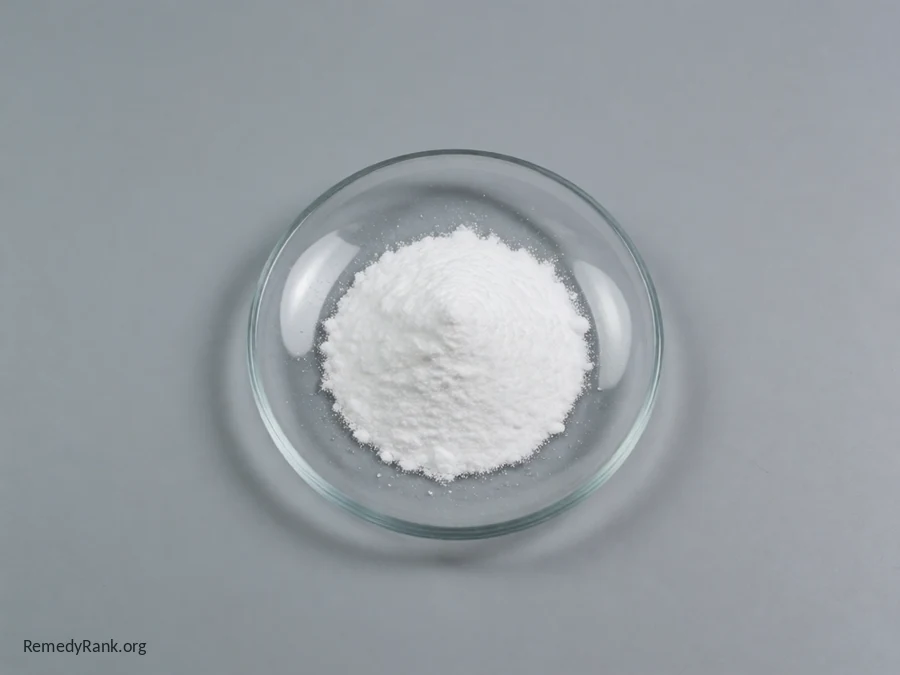 ⤢
⤢📊 How it ranks (our editor score) — 42/100Tap to see the breakdown
👶 Safe for children?
This remedy carries age-related cautions. Please read them before giving it to a child, and check with your pediatrician or pharmacist first.
- Not recommended for children.
🌱 What it is
Cinchona bark is the bark of Cinchona trees, historically the original source of quinine, a compound with fever-reducing and antimalarial properties.
📜 Where it comes from
Cinchona bark was used by indigenous peoples of Peru and Ecuador for fevers long before Spanish missionaries brought it to Europe in the 17th century, where it became famous as the source of quinine. It remained a primary fever and malaria treatment for centuries before synthetic antimalarials were developed, and small doses of the bark itself were used traditionally for fevers.
🥄 How to use it
Traditionally taken as a dilute cold-infused extract for short-term fever support in small amounts. Because of its potency and toxicity risk, use only under the guidance of a qualified herbalist or physician, and never in place of prescribed antimalarial medication.
How much: Not recommended for home self-dosing; use only under professional herbal or medical supervision.
Why it works: Contains quinine and related alkaloids with fever-reducing and antimalarial actions, though the raw plant form is potent and difficult to dose safely at home.
⚠️ Cautions
- Potent and can be toxic in excess (cinchonism: ringing in the ears, nausea, vision changes, heart rhythm effects) — do not self-dose.
- Never use in place of prescribed antimalarial medication for actual malaria; malaria requires urgent medical treatment.
- Avoid in pregnancy and with heart rhythm disorders.
📚 Learn more
🌿 Deeper natural detail
Curated links coming for this one.
🩺 The conventional view
💬 Ask Remy about Cinchona Bark
📚 Resource confidence
Based on mentions in health references
Your vote is saved. Source endorsement totals come from books and studies (+7 per book, +5 per article). You can change your vote anytime from this device.
💬 Comments & experiences
Share what worked for you — and reply or 👍 like the experiences that resonate. Comments get a quick review before they appear publicly, to keep things safe and honest. Please don't make medical claims.
💚 Have an experience to share? Create a free account to join the conversation — your words might be exactly what someone else needs. Reading is always open to everyone.
Know a remedy like this?
Share a structured suggestion and our team will review it for the site.
Suggest a similar remedy