Herb
Burdock Root
An earthy root, taken as tea, traditionally valued as a gentle 'blood cleanser' that supports clear, healthy skin.
📊 How it ranks (our editor score) — 79/100Tap to see the breakdown
🌱 What it is
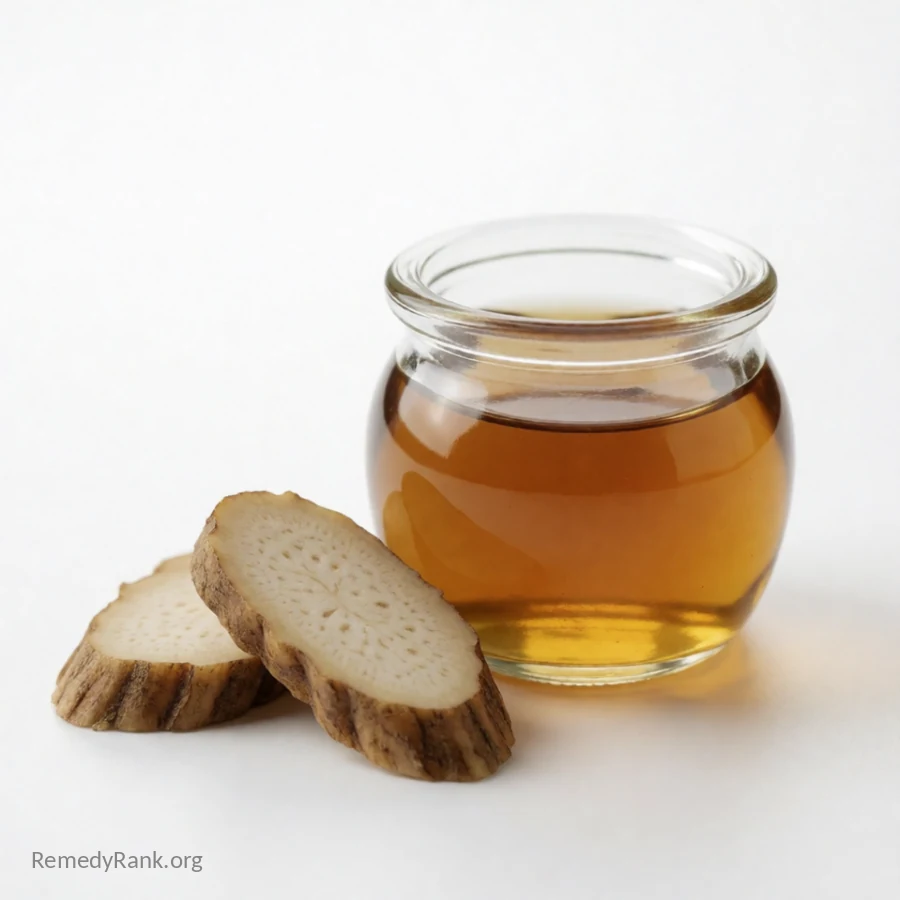
Burdock root is the long taproot of a hardy wild plant known for its burr-covered seed heads, traditionally dug up and dried for tea or cooked as a root vegetable.
✨ Why it's good for you
- May help support clear, healthy-looking skin
- May help support the body's natural cleansing processes
- May help support overall wellness as a traditional tonic
🥗 Nutrition
Per 1/2 cup cooked (60g) · about 44 calories
- Fiber 1.8g
- Potassium 180mg
- Magnesium 22mg
- Inulin (prebiotic fiber)
Source: USDA FoodData Central
🥄 How to use it
Simmer 1 teaspoon of dried burdock root in a cup of water for about 10 minutes to make a decoctionA stronger tea made by simmering tough roots or bark. How to make a decoction →, and drink two to three cups a day. The fresh root can also be cooked as a vegetable.
How much: A typical decoctionA stronger tea made by simmering tough roots or bark. How to make a decoction → uses 1 teaspoon of dried root per cup, simmered 10 minutes, two to three cups daily. Tinctures and capsules follow the product label.
Show full details & how to prepare it
Burdock is a tall wayside plant whose long taproot has been used for centuries as a gentle supportive tonic, especially for the skin. In traditional terms it was called a 'blood cleanser' — a poetic way of describing how a wholesome, well-supported body tends to show up as clearer skin.
The dried root makes an earthy decoctionA stronger tea made by simmering tough roots or bark. How to make a decoction → (a simmered teaA warm drink made by steeping herbs in hot water. How to make a tea →), and the fresh root is eaten as a vegetable in many cuisines. It may gently lower blood sugar, so anyone on diabetes medication should check with a doctor, and it's best avoided in pregnancy.
Ways to prepare it
⚠️ Cautions
- Avoid in pregnancy.
- May lower blood sugar — use caution with diabetes medication.
- Those allergic to daisies, ragweed, or chrysanthemums may react; choose clean, well-sourced root (wild burdock can be confused with toxic look-alikes).
📚 What others say
- A long-standing folk remedy for skin complaints
- Used traditionally as a gentle cleansing and supportive tonic
Learn more
🕊️ A word of encouragement
Roots grow unseen in the dark before they nourish. Trust that quiet, hidden work is part of how healing comes.
💬 Ask Remy about Burdock Root
📚 Resource confidence
Based on mentions in health references
Your vote is saved. Source endorsement totals come from books and studies (+7 per book, +5 per article). You can change your vote anytime from this device.
💬 Comments & experiences
Share what worked for you — and reply or 👍 like the experiences that resonate. Comments get a quick review before they appear publicly, to keep things safe and honest. Please don't make medical claims.
💚 Have an experience to share? Create a free account to join the conversation — your words might be exactly what someone else needs. Reading is always open to everyone.
Know a remedy like this?
Share a structured suggestion and our team will review it for the site.
Suggest a similar remedy