Legume
Black Beans
Hearty little beans rich in plant protein and soluble fiber that steady blood sugar and lower cholesterol.
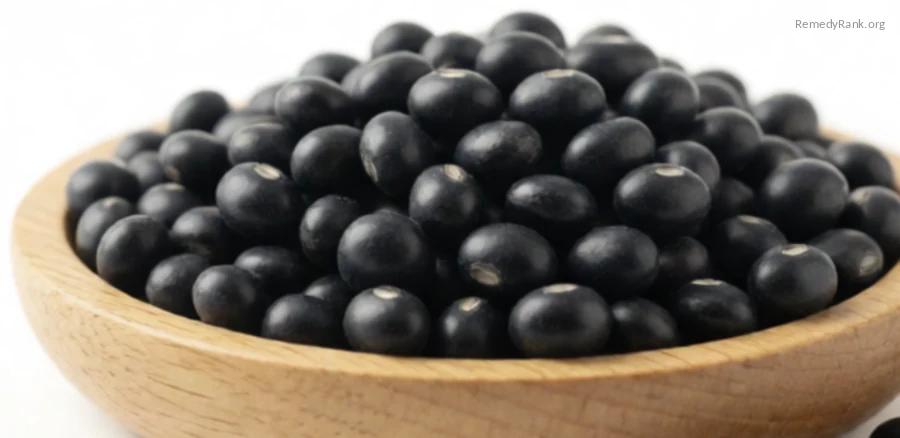 ⤢
⤢📊 How it ranks (our editor score) — 95/100Tap to see the breakdown
🌱 What it is
Black beans are small, dense legumes with a shiny black coat, cooked until soft and used as a hearty plant protein.
📜 Where it comes from
Black beans have been cultivated in the Americas for thousands of years, forming a dietary staple among indigenous peoples of Mesoamerica and South America long before European contact. They became a foundational protein source in Latin American and Caribbean cooking, often paired with rice to form a complete traditional meal. Their long storage life made them a practical staple for generations of farming communities.
✨ Why it's good for you
- may help support steady blood sugar with soluble fiber
- may help support healthy cholesterol levels
- may help support lasting energy with plant protein
- may help support digestive health and regularity
🥗 Nutrition
Per 1 cup cooked (172g) · about 227 calories
- Protein 15.2g
- Fiber 15g
- Folate 256mcg
- Iron 3.6mg
- Magnesium 120mg
Source: USDA FoodData Central
🥄 How to use it
Simmer until soft and add to soups, bowls, and tacos. Pair with a whole grain like rice for a complete protein.
How much: A practical food amount is about half a cup to one cup of cooked black beans several times a week, as a protein and fiber source.
Why it works: Nutrition science points to black beans' soluble fiber and plant protein as support for steady blood sugar and healthy cholesterol, since the fiber slows sugar absorption and binds to cholesterol in the gut.
Show full details & how to prepare it
Black beans are small, glossy, and quietly powerful. They are one of the richest everyday plant sources of protein and fiber together, which is why they have nourished families across the Americas for thousands of years as an affordable, filling main dish.
Their soluble fiber forms a soft gelA cool, jelly-like preparation that soothes and moisturizes skin. How to make a gel → in the gut that helps carry cholesterol out of the body and slows the release of sugar from a meal, keeping energy and blood glucose steady rather than spiking. That same fiber feeds the friendly gut bacteria and keeps the bowels regular, while the beans' potassium and magnesium support healthy blood pressure. Paired with a whole grain such as brown rice, they provide all the protein building blocks the body needs.
Beans are famously associated with gas, but this eases when you introduce them gradually, cook dried beans thoroughly after soaking, and rinse canned beans well.
Ways to prepare it
⚠️ Cautions
- Introduce beans gradually and rinse canned ones to ease the gas that comes with their rich fiber.
- Dried beans must be fully cooked until soft; soaking first improves digestibility.
📚 Learn more
🌿 Deeper natural detail
Curated links coming for this one.
💬 Ask Remy about Black Beans
📚 Resource confidence
Based on mentions in health references
Your vote is saved. Source endorsement totals come from books and studies (+7 per book, +5 per article). You can change your vote anytime from this device.
💬 Comments & experiences
Share what worked for you — and reply or 👍 like the experiences that resonate. Comments get a quick review before they appear publicly, to keep things safe and honest. Please don't make medical claims.
💚 Have an experience to share? Create a free account to join the conversation — your words might be exactly what someone else needs. Reading is always open to everyone.
Know a remedy like this?
Share a structured suggestion and our team will review it for the site.
Suggest a similar remedy