Supplement
Xylitol
A natural sugar substitute traditionally used to help support dental health.
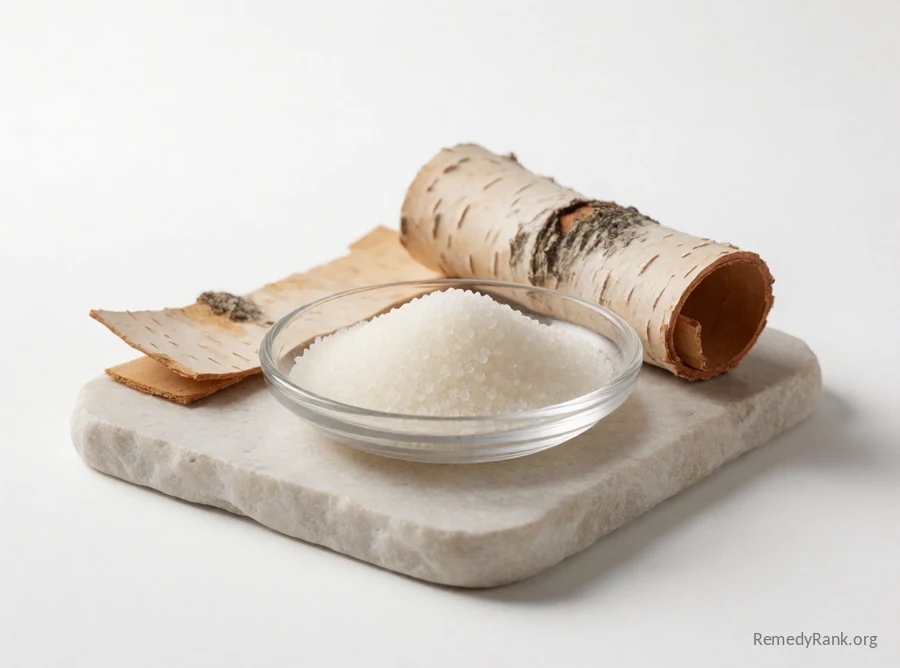 ⤢
⤢📊 How it ranks (our editor score) — 63/100Tap to see the breakdown
🌱 What it is
Xylitol is a naturally occurring sugar alcohol found in some fruits and plants, commonly sold as gum, mints, or granulated sweetener.
📜 Where it comes from
Xylitol was discovered by chemists in the late 1800s and found in small amounts in fruits like plums and berries, but it did not become a household name until Finnish dental researchers in the 1970s studied its effect on tooth decay. That research launched its popularity as a sugar substitute in gum and mints marketed for dental health. It has since become a common natural sweetener in health-conscious kitchens.
✨ Why it's good for you
- May support dental health
- Low-calorie sugar substitute
- Convenient as gum or mints after meals
🙏 Begin with prayer
Prayer is the first remedy, not the last resort. Whether you are facing this yourself, caring for someone who is, or simply reading to understand — here is a simple prayer you are welcome to make your own, in your name or in theirs:
Father, thank You for xylitol, a small sweetness that can actually be kind to my teeth. Bless this simple habit, and grant me diligence in caring for the mouth and body You gave me. O taste and see that the Lord is good — let that be true even in something as small as choosing a better sweetener today. In Jesus' name, Amen.
“O taste and see that the LORD is good: blessed is the man that trusteth in him.”— Psalm 34:8
🥄 How to use it
Use xylitol gum or mints after meals, chewing or letting them dissolve without swallowing large amounts.
How much: 1-2 pieces of xylitol gum or a few mints after meals, several times daily.
Why it works: Unlike sugar, xylitol does not feed the bacteria that cause tooth decay, which may help support healthier teeth over time.
⚠️ Cautions
- Extremely toxic to dogs — keep xylitol products well away from pets.
- Large amounts can cause digestive upset or a laxative effect in some people.
📚 Learn more
🌿 Deeper natural detail
Curated links coming for this one.
🩺 The conventional view
💬 Ask Remy about Xylitol
📚 Resource confidence
Based on mentions in health references
Your vote is saved. Source endorsement totals come from books and studies (+7 per book, +5 per article). You can change your vote anytime from this device.
💬 Comments & experiences
Share what worked for you — and reply or 👍 like the experiences that resonate. Comments get a quick review before they appear publicly, to keep things safe and honest. Please don't make medical claims.
💚 Have an experience to share? Create a free account to join the conversation — your words might be exactly what someone else needs. Reading is always open to everyone.
Know a remedy like this?
Share a structured suggestion and our team will review it for the site.
Suggest a similar remedy