Food
Sprouted Seeds, Beans, and Grains
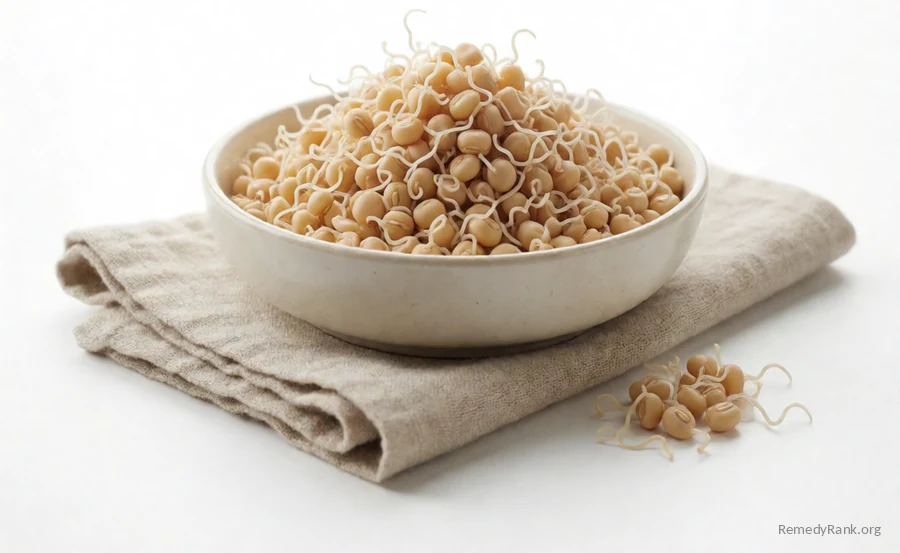
Soaking and sprouting seeds, beans, or grains for a few days boosts their vitamin content and makes them lighter, easier to digest, and lower in calories... a good everyday food for weight management and general nutrition.
 ⤢
⤢📊 How it ranks (our editor score) — 66/100Tap to see the breakdown
👶 Safe for children?
This remedy carries age-related cautions. Please read them before giving it to a child, and check with your pediatrician or pharmacist first.
- Pregnant women, young children, older adults, or anyone with a weakened immune system should cook sprouts rather than eating them raw, since raw sprouts carry a higher food-safety risk.
🌱 What it is
This practice involves soaking and sprouting seeds, beans, or grains for a few days before eating them, rather than eating them dry or unsoaked.
📜 Where it comes from
Sprouting seeds and grains before eating is an ancient practice found in various traditional diets around the world, valued long before modern nutrition science for making foods easier to digest and more palatable. It was incorporated into general nutrition knowledge and traditional whole-food dietary guidance in the 20th century as researchers began documenting the nutritional changes that occur during sprouting.
🥄 How to use it
SoakResting a body part (or the whole body) in warm, treated water. How to make a soak → whole, untreated seeds (alfalfa, mung beans, lentils, wheat, sunflower) in water overnight in a jar, drain, then rinse twice daily for two to five days until short sprouts appear. Add raw to salads and sandwiches, or lightly steam bean and grain sprouts for a few minutes before eating.
How much: A handful added to meals most days.
Why it works: Food scientists explain that the sprouting process breaks down some of the natural compounds in seeds and grains that can interfere with digestionHow your body breaks food down into pieces small enough to use for energy. More →, while also increasing certain vitaminA natural substance your body needs in small amounts to stay healthy, like vitamin C or D. More → levels, together making the food lighter and easier for the body to use.
Show full details & how to prepare it
Sprouting breaks down some of the stored starches and proteins in a seed, making its nutrients easier for the body to use, and it develops vitamin C and other vitamins that were barely present in the dry seed. The result is a low-calorie, high-nutrient food that helps fill a plate without adding many calories.
Ways to prepare it
⚠️ Cautions
- Rinse sprouts thoroughly and keep them refrigerated once ready... homemade sprouts can grow bacteria if left warm and damp too long.
- Discard any batch that smells off or looks slimy.
📚 Learn more
🌿 Deeper natural detail
Curated links coming for this one.
🩺 The conventional view
💬 Ask Remy about Sprouted Seeds, Beans, and Grains
📚 Resource confidence
Based on mentions in health references
Your vote is saved. Source endorsement totals come from books and studies (+7 per book, +5 per article). You can change your vote anytime from this device.
💬 Comments & experiences
Share what worked for you — and reply or 👍 like the experiences that resonate. Comments get a quick review before they appear publicly, to keep things safe and honest. Please don't make medical claims.
💚 Have an experience to share? Create a free account to join the conversation — your words might be exactly what someone else needs. Reading is always open to everyone.
Know a remedy like this?
Share a structured suggestion and our team will review it for the site.
Suggest a similar remedy