Whole Grain
Sorghum
A naturally gluten-free whole grain, rich in fiber and antioxidants, that supports steady blood sugar and healthy cholesterol.
 ⤢
⤢📊 How it ranks (our editor score) — 91/100Tap to see the breakdown
🌱 What it is
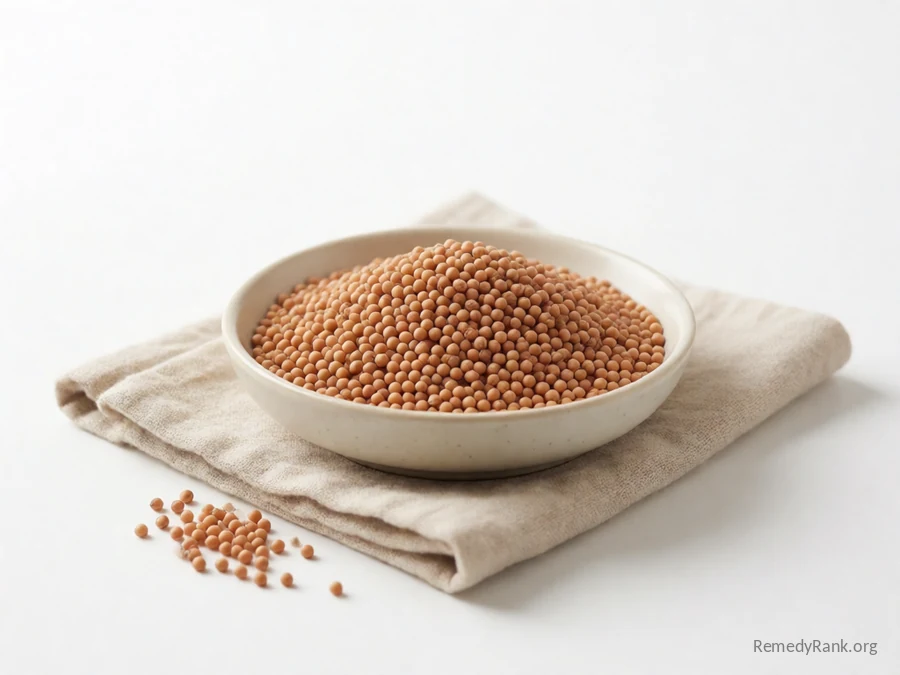
Sorghum is a hardy, gluten-free whole grain grown widely around the world, with a mild, slightly sweet flavor and a chewy bite similar to wheat berries.
📜 Where it comes from
Sorghum originated in Africa, where it has been cultivated for thousands of years as a drought-resistant staple grain, and it later spread to India, China, and the Americas through trade and migration. Traditional African diets relied on sorghum for porridges and flatbreads in regions too dry for other grains. It has seen renewed interest recently as a naturally gluten-free option.
✨ Why it's good for you
- May help support steady blood sugar
- May help support healthy cholesterol levels
- May help provide antioxidants found in its outer bran
- May help offer a gluten-free whole-grain option
🥗 Nutrition
Per 1 cup cooked (192g) · about 252 calories
- Protein 8.4g
- Fiber 6.3g
- Iron 3.4mg
- Magnesium 38mg
Source: USDA FoodData Central
🥄 How to use it
Simmer the whole grains like rice, or enjoy popped as a light snack.
How much: A practical food amount is about half a cup cooked, several times a week.
Why it works: Nutrition science points to sorghum's fiber and antioxidantA helpful substance in colorful fruits and vegetables that protects your cells from everyday wear and tear. More → compounds as support for steady blood sugar and healthy cholesterol, similar to benefits seen in other whole grains.
Show full details & how to prepare it
Sorghum is one of the oldest grains tended by human hands, a hardy cereal that feeds millions across Africa and Asia because it thrives where gentler crops would fail. Its small round kernels cook up with a pleasant chew and a mild, wholesome flavor.
Because it is naturally free of gluten, sorghum is a welcome friend to those who must avoid wheat. It is rich in fiber and in protective plant antioxidants found in its bran, both of which help slow the rise of blood sugar after eating and help carry away excess cholesterol.
As a whole, unrefined grain it is safe and deeply nourishing. Like all such grains it asks only for thorough cooking and, being high in fiber, a gradual welcome to the daily plate with plenty of water.
Ways to prepare it
⚠️ Cautions
- Whole grains take long cooking until tender; serve them well-cooked for easy digestion.
- As a high-fiber food, increase portions gradually and drink plenty of water.
📚 Learn more
🌿 Deeper natural detail
🩺 The conventional view
💬 Ask Remy about Sorghum
📚 Resource confidence
Based on mentions in health references
Your vote is saved. Source endorsement totals come from books and studies (+7 per book, +5 per article). You can change your vote anytime from this device.
💬 Comments & experiences
Share what worked for you — and reply or 👍 like the experiences that resonate. Comments get a quick review before they appear publicly, to keep things safe and honest. Please don't make medical claims.
💚 Have an experience to share? Create a free account to join the conversation — your words might be exactly what someone else needs. Reading is always open to everyone.
Know a remedy like this?
Share a structured suggestion and our team will review it for the site.
Suggest a similar remedy