Herb
Prickly Ash Bark
A traditional Native American and frontier folk remedy chewed for toothache and used to stimulate circulation, with modern evidence still thin.
 ⤢
⤢📊 How it ranks (our editor score) — 51/100Tap to see the breakdown
🌱 What it is
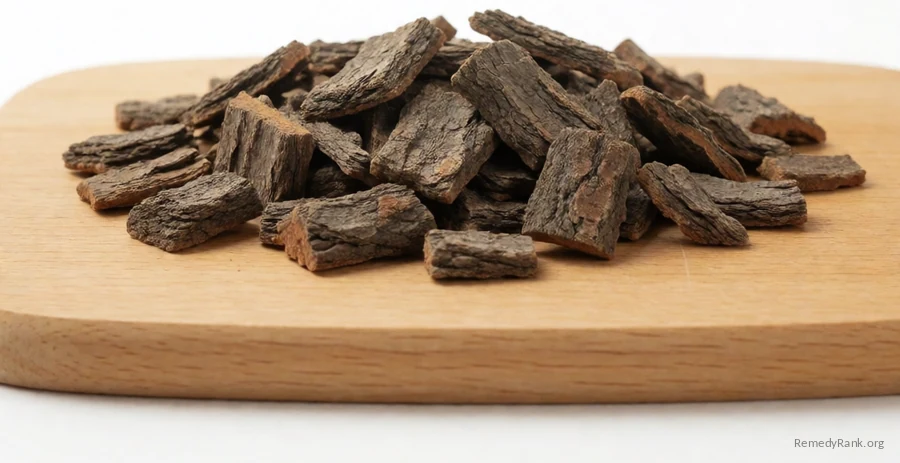
Prickly ash (Zanthoxylum americanum or Z. clava-herculis) is a North American shrub whose bitter, tingling inner bark was chewed by Native American and frontier communities to numb tooth pain and 'warm' the body.
📜 Where it comes from
Prickly ash bark was chewed by Native American tribes for toothache relief, which earned it the common name toothache tree, and it was also used to stimulate circulation in cold extremities. Frontier settlers and folk healers of early America adopted the practice directly from Native traditions. It became a recognized entry in 19th century American herbal medicine guides for these traditional uses.
✨ Why it's good for you
- Traditionally used to numb minor tooth and gum discomfort
- Folk remedy for cold hands and feet tied to sluggish circulation
- Sometimes used traditionally as a warming digestive bitter
🥄 How to use it
The dried bark can be chewed briefly and spit out, or taken as a teaA warm drink made by steeping herbs in hot water. How to make a tea → or tinctureA concentrated herbal extract made with alcohol. How to make a tincture → diluted in water, typically for short periods rather than daily long-term use. Some people apply a diluted tincture near a sore tooth rather than swallowing it.
How much: Traditional use is short-term and occasional... a small piece of bark chewed briefly, or a few drops of tinctureA concentrated herbal extract made with alcohol. How to make a tincture → in water... not a daily long-term herbA plant, or part of one, used for flavor, food, or gentle health support. More →.
Why it works: The bark's tingling alkaloids are thought to temporarily numb tissue and stimulate local blood flow, though this traditional use hasn't been confirmed in modern clinical trials.
⚠️ Cautions
- Avoid during pregnancy... traditional sources note it may stimulate the uterus
- Can irritate the mouth, gums, or stomach if used too strong or too long
- May have mild blood-thinning activity, so use caution alongside blood thinners or before surgery
- A toothache that lingers more than a day or two needs a dentist... this only dulls discomfort, it does not treat the underlying problem
📚 Learn more
🌿 Deeper natural detail
🩺 The conventional view
Curated links coming for this one.
💬 Ask Remy about Prickly Ash Bark
📚 Resource confidence
Based on mentions in health references
Your vote is saved. Source endorsement totals come from books and studies (+7 per book, +5 per article). You can change your vote anytime from this device.
💬 Comments & experiences
Share what worked for you — and reply or 👍 like the experiences that resonate. Comments get a quick review before they appear publicly, to keep things safe and honest. Please don't make medical claims.
💚 Have an experience to share? Create a free account to join the conversation — your words might be exactly what someone else needs. Reading is always open to everyone.
Know a remedy like this?
Share a structured suggestion and our team will review it for the site.
Suggest a similar remedy