Therapy
Massage
The simple, healing touch of kneading and stroking muscles to release tension, ease pain, improve circulation, and calm the whole nervous system.
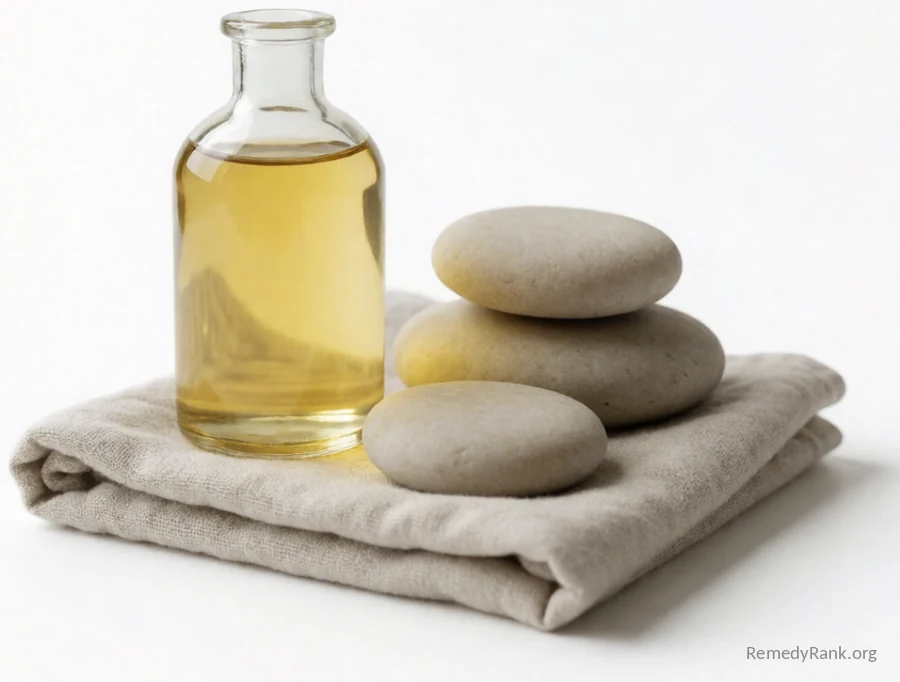 ⤢
⤢📊 How it ranks (our editor score) — 85/100Tap to see the breakdown
🌱 What it is
Massage is the practice of kneading, rubbing, and stroking the muscles and soft tissues of the body by hand to relieve tension and promote relaxation.
📜 Where it comes from
Massage is one of the oldest healing practices known, documented in ancient Chinese medical texts, ancient Egyptian tomb paintings, and the writings of Greek physicians including Hippocrates, who recommended rubbing for injured joints. It was also practiced traditionally in Ayurvedic medicine in India as a routine for balance and vitality. The Battle Creek health reform movement, including Battle Creek Sanitarium under John Harvey Kellogg, incorporated massage as a standard part of natural healing treatment alongside hydrotherapy.
🙏 Begin with prayer
Prayer is the first remedy, not the last resort. Whether you are facing this yourself, caring for someone who is, or simply reading to understand — here is a simple prayer you are welcome to make your own, in your name or in theirs:
Lord, thank You for the gift of healing touch — for hands that knead away tension and calm a weary nervous system. Bless the hands that offer or receive this care, whether mine or another's. Give wisdom to avoid injured or inflamed places, and let this simple comfort ease my body and quiet my anxious mind. In Jesus' name, Amen.
“Thou wilt keep him in perfect peace, whose mind is stayed on thee: because he trusteth in thee.”— Isaiah 26:3
🥄 How to use it
Gently knead and stroke tight or aching muscles, working toward the heart, using a little oil to let the hands glide. A partner, a professional, or even self-massage all help.
How much: Even 10 to 15 minutes of gentle massage on a tight area can bring relief. Done regularly... by a partner, a therapist, or your own hands... the benefits add up.
Why it works: Practitioners attribute massage's benefits to improved circulation and the release of muscular tension, while researchers point to its calming effect on the nervous system as a factor in easing stress and pain perception.
Show full details & how to prepare it
Massage is among the oldest comforts known to humankind, and modern study confirms what touch has always told us: kneading and stroking the muscles loosens knots, eases pain, improves blood and lymph flow, and quiets the body's stress response. It can lower a racing heart, soften anxious tension, and help sore, stiff necks and shoulders let go.
It requires nothing but willing hands and perhaps a little oil. A skilled therapist can address deeper problems, but the simple comfort of a partner's hands, or gentle self-massage of the neck, feet, or hands, carries real benefit. The main caution is to avoid pressing on injuries, clots, or inflamed areas.
Ways to prepare it
🔬 Let's get technical
The scientific view, plainly reported. Hover a dotted word for its meaning.
What's in it
As a manual therapy, massage is defined by mechanical parameters rather than chemical constituents: applied pressure ranges from light gliding strokes to deeper, sustained compression, session duration commonly runs 30 to 60 minutes, and technique varies among long strokes, kneading, friction, and rhythmic tapping. Pressure, direction, and rate of movement are the variables studied for physiological effect.
Mechanism of action
Mechanical pressure and shear on skin and underlying muscle activate and subcutaneous , producing afferent signaling that can dampen pain transmission at the spinal cord through and increased local release. Sustained kneading increases local blood flow and , aiding clearance of metabolic byproducts from muscle tissue, though studies measuring actual increases in muscle blood flow after massage have produced inconsistent results. Stimulation of the during slower, rhythmic strokes is associated with reduced heart rate, lower , and increased , markers generally read as a relaxation response. At the muscular level, sustained stretch and pressure are thought to act on and , encouraging and reduced resting muscle tone, though the degree to which massage produces lasting change in tissue properties, as opposed to transient neurological relaxation, remains debated.
Current pharmacological applications
Massage has the most consistent trial evidence for short-term reduction in musculoskeletal pain and anxiety, with meta-analyses showing modest benefit for chronic low back pain and postoperative pain compared with no treatment, though effect sizes are often small and comparisons against active control conditions such as simple rest are less favorable. It is also studied as adjunct supportive care in oncology and palliative settings for symptom comfort rather than disease treatment. Claims of toxin removal or lymphatic "detoxification" through massage are not supported by the physiological literature.
Every underlined word is collected on the technical glossary.
⚠️ Cautions
- Avoid massaging over blood clots, fresh injuries, infections, fractures, or skin that is broken or inflamed.
- Those with conditions like deep-vein thrombosis, severe osteoporosis, or during pregnancy face added risk and are best served by a trained therapist experienced with these situations.
📚 Learn more
🌿 Deeper natural detail
🩺 The conventional view
💬 Ask Remy about Massage
📚 Resource confidence
Based on mentions in health references
Your vote is saved. Source endorsement totals come from books and studies (+7 per book, +5 per article). You can change your vote anytime from this device.
💬 Comments & experiences
Share what worked for you — and reply or 👍 like the experiences that resonate. Comments get a quick review before they appear publicly, to keep things safe and honest. Please don't make medical claims.
💚 Have an experience to share? Create a free account to join the conversation — your words might be exactly what someone else needs. Reading is always open to everyone.
Know a remedy like this?
Share a structured suggestion and our team will review it for the site.
Suggest a similar remedy