Fermented Food
Kombucha
A fizzy, tangy fermented tea that normally contains only trace alcohol -- worth checking, not assuming, for anyone avoiding alcohol.
📊 How it ranks (our editor score) — 65/100Tap to see the breakdown
🌱 What it is
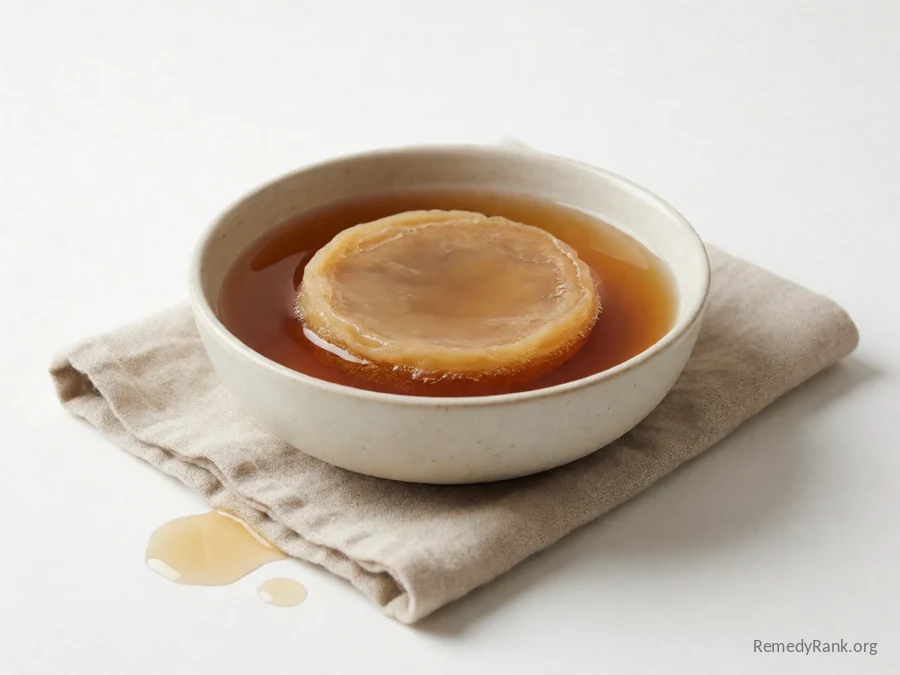
Kombucha is sweetened tea fermented with a culture of bacteria and yeast (a "SCOBY"), which produces carbonation, tangy acids, and, as a natural side effect of yeast fermentation, a small amount of alcohol.
✨ Why it's good for you
- Provides live cultures that may support gut health
- A flavorful, lower-sugar alternative to soda for some people
- Contains antioxidants carried over from the tea it’s brewed from
🥗 Nutrition
Per 1 cup (240ml) · about 30 calories
- Live probiotic cultures
- Trace B vitamins
- Small amount of natural sugar and acids (varies by brew)
Source: General estimate — varies by brand/brew
🙏 Begin with prayer
Prayer is the first remedy, not the last resort. Here is a simple prayer you are welcome to make your own:
Father, You invite all who thirst to come and drink freely, and I thank You for kombucha, a fizzy, fermented tea that has helped settle uneasy stomachs for generations. Bless this cup, and give me wisdom to check what is really in the bottle before I trust a label. Thank You for such simple refreshment along the way. In Jesus' name, Amen.
“Ho, every one that thirsteth, come ye to the waters, and he that hath no money; come ye, buy, and eat; yea, come, buy wine and milk without money and without price.”— Isaiah 55:1
🥄 How to use it
Drink chilled, in modest amounts (4-8 oz is a common serving); check the label or ask about alcohol content before serving to anyone avoiding alcohol.
⚠️ Cautions
- Kombucha is sold as "non-alcoholic," but independent lab testing has repeatedly found that this label doesn't always match what's in the bottle. One published analysis of commercial U.S. kombucha found ethanol levels of roughly 1.1% to 2% by volume in some products -- well above the 0.5% ABV line the U.S. Alcohol and Tobacco Tax and Trade Bureau uses to define a "non-alcoholic" drink -- and found that levels climbed the longer a bottle sat in storage. Home-brewed batches can ferment further still. We share this as research to weigh, not a verdict on any one bottle: it's worth knowing, not assuming, for anyone in recovery from alcohol use, who is pregnant or breastfeeding, or who abstains from alcohol on conviction or faith grounds (including many Seventh-day Adventists and other Christians who hold to abstinence). Kombucha also carries some caffeine from the tea it's brewed from. Those with a compromised immune system should be cautious with any live-culture ferment.
📚 Learn more
🌿 Deeper natural detail
🩺 The conventional view
Curated links coming for this one.
🕊️ A word of encouragement
Tend your body kindly, like a garden worth keeping. Growth and healing take time — and that's okay.
💬 Ask Remy about Kombucha
📚 Resource confidence
Based on mentions in health references
Your vote is saved. Source endorsement totals come from books and studies (+7 per book, +5 per article). You can change your vote anytime from this device.
💬 Comments & experiences
Share what worked for you — and reply or 👍 like the experiences that resonate. Comments get a quick review before they appear publicly, to keep things safe and honest. Please don't make medical claims.
💚 Have an experience to share? Create a free account to join the conversation — your words might be exactly what someone else needs. Reading is always open to everyone.
Know a remedy like this?
Share a structured suggestion and our team will review it for the site.
Suggest a similar remedy