Therapy
Fomentation and Hydrotherapy
A traditional set of hot and cold water therapies used to ease fever and support circulation.
 ⤢
⤢📊 How it ranks (our editor score) — 45/100Tap to see the breakdown
👶 Safe for children?
This remedy carries age-related cautions. Please read them before giving it to a child, and check with your pediatrician or pharmacist first.
- Avoid very hot or very cold applications on infants, the elderly, or anyone with impaired sensation or circulation.
🌱 What it is
A collection of classic Kellogg-era hydrotherapy techniques — fomentations, compresses, packs, and baths — using alternating heat and cold applications.
📜 Where it comes from
This combined set of water treatments descends from ancient Greco-Roman bathing and healing traditions and was systematized in the nineteenth century by the broader water-cure movement in Europe and America. Battle Creek health reformers, particularly at the Battle Creek Sanitarium under John Harvey Kellogg, refined these hot and cold applications into a structured therapeutic system meant to support circulation and ease fever. The combination of fomentations, compresses, packs, and baths remains a defining feature of that era's health philosophy.
✨ Why it's good for you
- May offer comfort during fever or illness
- Can support circulation and relaxation
- Uses simple household materials
🙏 Begin with prayer
Prayer is the first remedy, not the last resort. Whether you are facing this yourself, caring for someone who is, or simply reading to understand — here is a simple prayer you are welcome to make your own, in your name or in theirs:
Lord, You are the Father of mercies and the God of all comfort, and I need that comfort now, whatever fever or serious illness this body is facing. Thank You for these old hot-and-cold water therapies, offered gently and with real care. Bless their use for comfort and circulation, but never let me mistake them for the urgent medical treatment a disease like this truly requires. In Jesus' name, Amen.
“Blessed be God, even the Father of our Lord Jesus Christ, the Father of mercies, and the God of all comfort; Who comforteth us in all our tribulation, that we may be able to comfort them which are in any trouble, by the comfort wherewith we ourselves are comforted of God.”— 2 Corinthians 1:3-4
🥄 How to use it
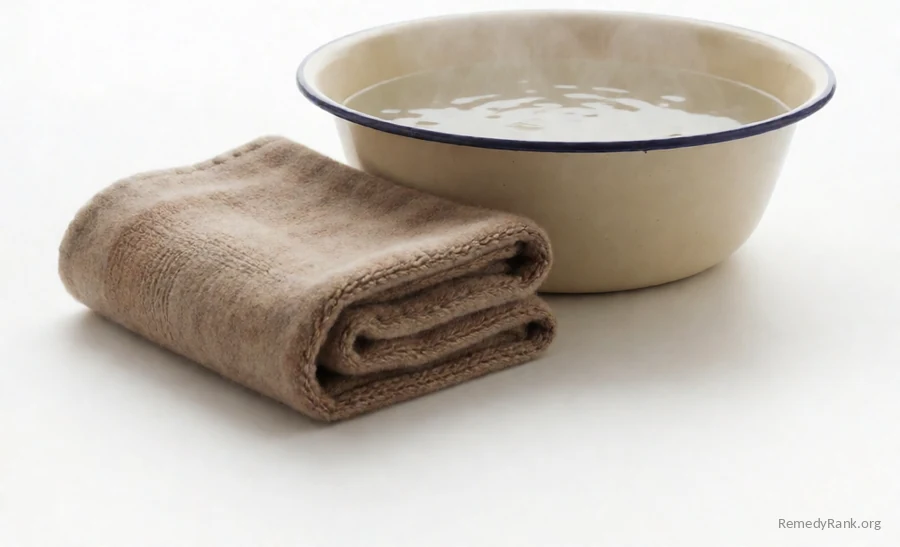
Apply hot fomentations or compresses, followed by brief cold applications, to the affected area as tolerated; use baths and packs as appropriate for the situation, always monitoring skin and comfort.
How much: As directed on the product label
Why it works: Moist heat is thought to encourage circulation and support the body's natural cleansing and elimination processes, while cold applications stimulate circulation and can help lower skin temperature.
🔬 Let's get technical
The scientific view, plainly reported. Hover a dotted word for its meaning.
What's in it
As a physical practice rather than a chemical remedy, fomentation and are defined by their thermal parameters: hot applications are typically maintained around 40 to 45 degrees Celsius for several minutes at a time, alternated with brief cold applications near 10 to 15 degrees Celsius, often in a repeated hot-cold cycle over 20 to 30 minutes.
Mechanism of action
Local heat application produces , increasing blood flow and tissue temperature at the treated site, while cold application produces the opposite response. Alternating between the two is proposed to create a rhythmic 'pumping' effect on local blood vessels, transiently altering and through the treated tissue. Heat also raises the local pain threshold, plausibly by altering in fibers, and can reduce sensitivity, contributing to a subjective sense of muscle relaxation. Cold application for fever management works on a different principle, promoting heat loss from the skin surface and providing symptomatic comfort during elevated body temperature, though it does not directly address the underlying cause of fever.
Current pharmacological applications
is used adjunctively in physical therapy and some traditional naturopathic protocols for musculoskeletal pain, minor soft-tissue injury, and general circulatory support, with a modest evidence base built mostly from small trials and physiological measurement studies rather than large randomized trials. Fomentation for fever is more accurately described as a traditional comfort measure, supported by physiological plausibility for symptomatic relief, though it has not been shown to shorten the course of the underlying illness.
Every underlined word is collected on the technical glossary.
⚠️ Cautions
- Not a treatment for smallpox, cholera, yellow fever, typhoid fever, or other serious infectious diseases — seek prompt medical care.
- Discontinue if skin becomes irritated or if fever is high and unresponsive.
📚 Learn more
🌿 Deeper natural detail
Curated links coming for this one.
💬 Ask Remy about Fomentation and Hydrotherapy
📚 Resource confidence
Based on mentions in health references
Your vote is saved. Source endorsement totals come from books and studies (+7 per book, +5 per article). You can change your vote anytime from this device.
💬 Comments & experiences
Share what worked for you — and reply or 👍 like the experiences that resonate. Comments get a quick review before they appear publicly, to keep things safe and honest. Please don't make medical claims.
💚 Have an experience to share? Create a free account to join the conversation — your words might be exactly what someone else needs. Reading is always open to everyone.
Know a remedy like this?
Share a structured suggestion and our team will review it for the site.
Suggest a similar remedy