Nut
Hazelnut
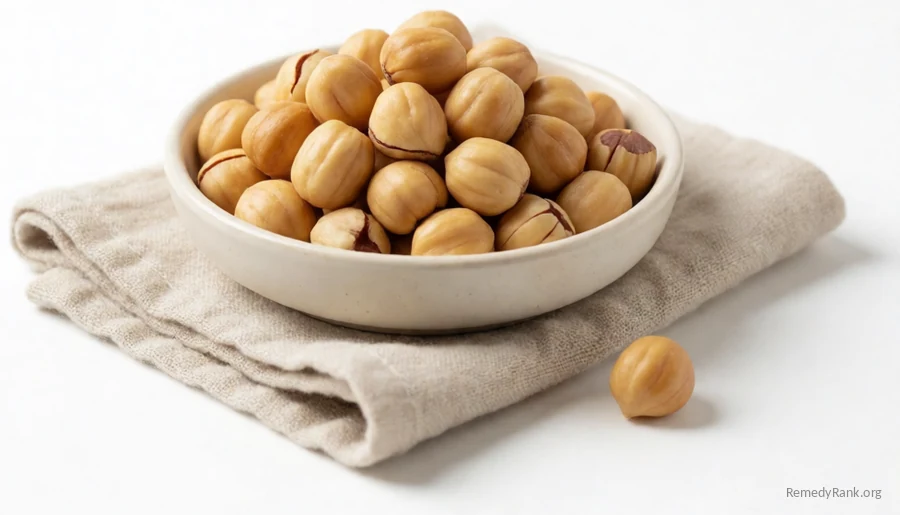
A sweet, round nut rich in vitamin E and good fats that nourish the heart and skin.
 ⤢
⤢📊 How it ranks (our editor score) — 90/100Tap to see the breakdown
🌱 What it is
Hazelnuts grow in small clusters on shrubby trees, each round kernel wrapped in a thin, papery skin inside a hard shell. Their sweet, slightly toasty flavor makes them a favorite eaten plain or ground into spreads.
📜 Where it comes from
Hazelnuts have been gathered and eaten in Europe since prehistoric times, with archaeological evidence showing their use as a food source among ancient hunter-gatherers, and they were later cultivated by the ancient Greeks and Romans. They became especially associated with the cooking and confectionery traditions of Italy and Turkey, which remain major producers today. Traditional European diets valued them as a portable source of energy.
✨ Why it's good for you
- May help support healthy skin with its vitamin E content
- Traditionally used to support the heart with its unsaturated fats
- May help support healthy cholesterol as part of a balanced diet
- May help support steady energy as a wholesome snack
🥗 Nutrition
Per 1 oz (28 g, about 21 kernels) · about 178 calories
- Vitamin E 4.3 mg
- Unsaturated fat 15 g
- Fiber 2.7 g
- Manganese 1.6 mg
Source: USDA FoodData Central
🥄 How to use it
Eat a small handful of raw hazelnuts, or chop them over porridge, salads, and roasted vegetables.
How much: A small handful, about an ounce (roughly 20 nuts), most days of the week.
Why it works: Nutrition science points to hazelnut's vitamin E and monounsaturated fat content as support for heart and skin health, consistent with research on nuts more broadly.
Show full details & how to prepare it
Hazelnuts have been gathered from hedgerows since the Stone Age, and for good reason: they are unusually rich in vitamin E, the antioxidantA helpful substance in colorful fruits and vegetables that protects your cells from everyday wear and tear. More → that helps protect cells and keep skin supple, along with the same monounsaturated fats that make olive oil so kind to the heart. They also carry folate, magnesium, and a little plant protein.
Like all nuts they are rich, so a small daily handful is the wholesome measure. They are best raw or lightly roasted; the chocolate-hazelnut spreads on store shelves are mostly sugar and bear little resemblance to the simple, nourishing nut itself.
Ways to prepare it
⚠️ Cautions
- Tree nuts are a common allergen; avoid if you are sensitive.
- Calorie-dense, so keep to a small handful rather than a large bowl.
📚 Learn more
🌿 Deeper natural detail
🩺 The conventional view
💬 Ask Remy about Hazelnut
📚 Resource confidence
Based on mentions in health references
Your vote is saved. Source endorsement totals come from books and studies (+7 per book, +5 per article). You can change your vote anytime from this device.
💬 Comments & experiences
Share what worked for you — and reply or 👍 like the experiences that resonate. Comments get a quick review before they appear publicly, to keep things safe and honest. Please don't make medical claims.
💚 Have an experience to share? Create a free account to join the conversation — your words might be exactly what someone else needs. Reading is always open to everyone.
Know a remedy like this?
Share a structured suggestion and our team will review it for the site.
Suggest a similar remedy