Herb
Eyebright
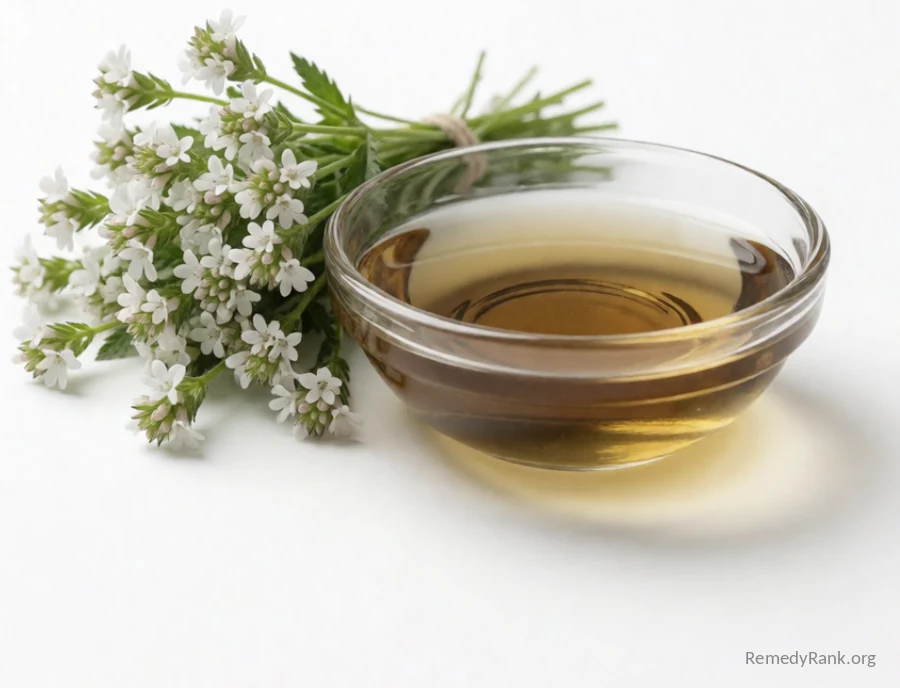
A small meadow flower, used as a cooled, strained eyewash or tea, traditionally for irritated, watery, itchy eyes.
 ⤢
⤢📊 How it ranks (our editor score) — 73/100Tap to see the breakdown
🌱 What it is
Eyebright is a small wildflower long dried and steeped for use as a cooled eyewash compress or a mild tea, especially around eye-related allergy season.
📜 Where it comes from
Eyebright takes its name directly from its traditional use, recorded in medieval European herbals, for washing and easing irritated or watery eyes. Herbalists of the period believed the small, eye-like markings on its flowers signaled its purpose, following an old folk logic sometimes called the doctrine of signatures. It has remained associated with eye comfort in Western herbal tradition ever since.
✨ Why it's good for you
- May help support comfort for irritated, watery eyes
- May help support relief from itchy, allergy-related eye symptoms
- May help support a soothing feeling around tired eyes
🥗 Nutrition
Per 1 cup brewed tea (240ml) · about 2 calories
- Aucubin (iridoid glycoside)
- Tannins
- Negligible macronutrients
Source: Nutrition estimate (per typical serving)
🥄 How to use it
Steep 1 teaspoon of dried eyebright in hot water for 10 minutes, strain very thoroughly through a fine filter, cool fully, and use as a compressA cloth soaked in warm or cold liquid, held on the skin. How to make a compress → on closed eyes — or sip as a teaA warm drink made by steeping herbs in hot water. How to make a tea → for eye-related allergy symptoms.
How much: A common amount is 1 teaspoon dried herbA plant, or part of one, used for flavor, food, or gentle health support. More → per cup, well strained and cooled, used as a compressA cloth soaked in warm or cold liquid, held on the skin. How to make a compress → or sipped as a tea a few times daily.
Why it works: Soothes itchy, watery eyes.
Show full details & how to prepare it
Eyebright is a tiny meadow flower whose very name tells its traditional use: easing irritated, itchy, watering eyes, especially the kind that come with hay fever and colds. It's used both as a cooled, well-strained compressA cloth soaked in warm or cold liquid, held on the skin. How to make a compress → laid over closed lids and as a gentle teaA warm drink made by steeping herbs in hot water. How to make a tea →.
Cleanliness is everything when anything goes near the eyes — the liquid must be strained spotlessly and fully cooled, and a compressA cloth soaked in warm or cold liquid, held on the skin. How to make a compress → on closed eyes is safer than homemade drops. Any eye pain, discharge, or change in vision is generally a sign that calls for medical attention rather than home treatment.
Ways to prepare it
🔬 Let's get technical
The scientific view, plainly reported. Hover a dotted word for its meaning.
What's in it
Eyebright's aerial parts contain , notably and catalpol, alongside , , and small amounts of caffeic acid derivatives. The and tannin fraction are generally credited with the plant's traditional and anti-inflammatory reputation, though the compound profile has been characterized mainly by phytochemical survey rather than pharmacokinetic study.
Mechanism of action
The content is thought to act locally as an , precipitating surface proteins on irritated and reducing capillary permeability, which traditionally accounts for a drying, decongesting effect on watery, itchy eyes. and related have shown and anti-inflammatory activity , potentially dampening -driven irritation at the ocular surface. constituents contribute additional antioxidant activity, scavenging that accumulate during local inflammation. Because a cooled infusion is applied topically rather than ingested, any effect is presumed to be local and short-lived rather than systemic, with no established mechanism for absorption beyond the mucosal surface.
Current pharmacological applications
Clinical evidence for eyebright is sparse: a small number of open-label or uncontrolled trials of eyebright eye drops have reported reductions in redness and discomfort, but rigorous placebo-controlled data are lacking, and no standardized extract has been validated for ophthalmic use. Contemporary interest is largely traditional and observational rather than backed by controlled research, and pharmacopoeial monographs typically classify the evidence as insufficient to support specific efficacy claims. Concerns about sterility and irritation from non-standardized preparations applied near the eye are noted in the pharmacognosy literature.
Every underlined word is collected on the technical glossary.
⚠️ Cautions
- Any liquid used near the eyes must be strained spotlessly clean and cooled; when in doubt, use it only as a compress on closed lids, not as drops.
- Those with a ragweed or daisy-family allergy may react.
- Eye pain, vision changes, discharge, or symptoms that don't quickly settle are generally signs that call for medical evaluation.
📚 Learn more
🌿 Deeper natural detail
🩺 The conventional view
💬 Ask Remy about Eyebright
📚 Resource confidence
Based on mentions in health references
Your vote is saved. Source endorsement totals come from books and studies (+7 per book, +5 per article). You can change your vote anytime from this device.
💬 Comments & experiences
Share what worked for you — and reply or 👍 like the experiences that resonate. Comments get a quick review before they appear publicly, to keep things safe and honest. Please don't make medical claims.
💚 Have an experience to share? Create a free account to join the conversation — your words might be exactly what someone else needs. Reading is always open to everyone.
Know a remedy like this?
Share a structured suggestion and our team will review it for the site.
Suggest a similar remedy