Educational information only — RemedyRank does not diagnose, treat, or cure disease. Read our full disclaimer.

Herb

Catnip

84/100
RemedyRank score

A gentle mint-family herb, brewed as a mild tea, traditionally used to calm nerves, settle the stomach, and soothe restless children.

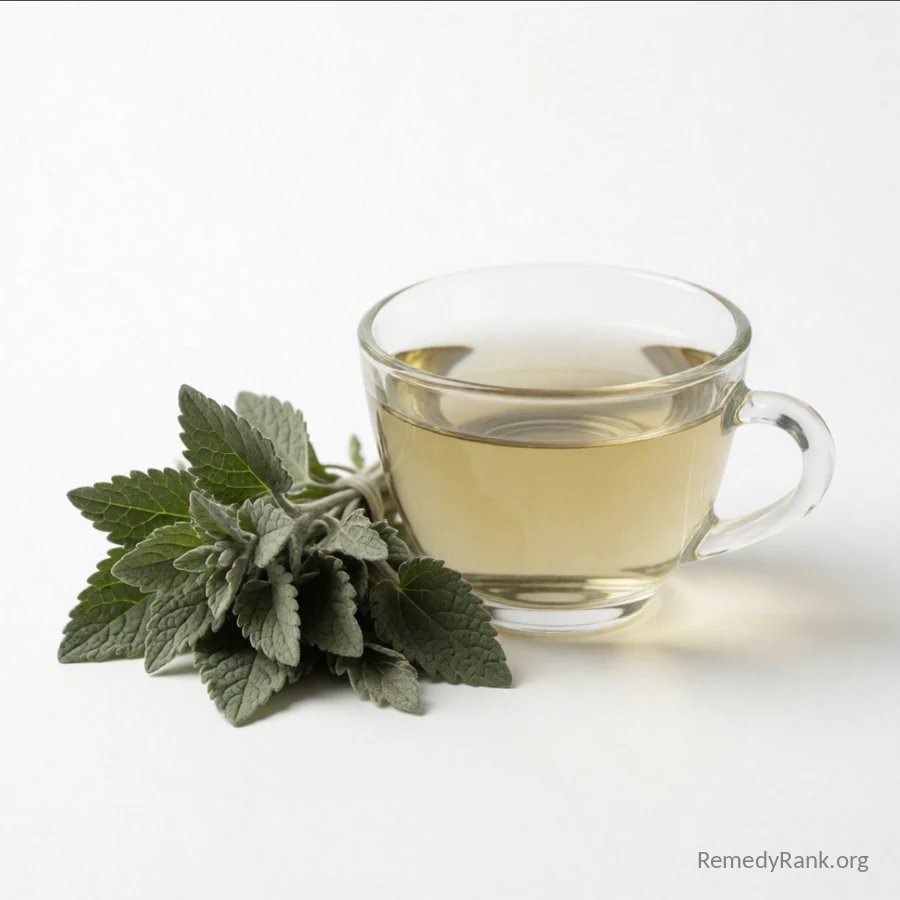
A bundle of grey-green heart-shaped catnip leaves rests beside a glass cup of pale herbal tea.
📊 How it ranks (our editor score) — 84/100Tap to see the breakdown
Source quality
Safety
Simplicity
Affordability
Lifestyle fit
Eight-laws alignment
User feedback

👶 Safe for children?

This remedy carries age-related cautions. Please read them before giving it to a child, and check with your pediatrician or pharmacist first.

  • For young children, pediatricians typically advise only weak, cooled tea, if any at all.

🌱 What it is

Catnip is a soft, minty herb in the mint family, dried and steeped as a mild tea for calming nerves and easing digestion in both adults and children.

📜 Where it comes from

Catnip has a long history in European folk medicine, where it was brewed as a calming tea for nerves, restlessness, and digestive upset well before it became better known for its effect on cats. European settlers carried the plant to North America, where it continued to be used as a gentle household remedy, including for fussy or restless children. That gentle reputation has followed catnip through generations of folk use.

✨ Why it's good for you

  • May help support a calm, settled mood
  • May help support a comfortable, settled stomach
  • May help support easing into rest in the evening

🥗 Nutrition

Per 1 cup brewed tea (240ml) · about 2 calories

  • Nepetalactone (bioactive)
  • Trace vitamin C
  • Negligible macronutrients

Source: Nutrition estimate (per typical serving)

🥄 How to use it

Steep 1 teaspoon of dried catnip in hot water for 10 minutes and sip in the evening, or offer a cooled, very weak teaA warm drink made by steeping herbs in hot water. How to make a tea to a fussy child, as families have long done for fussiness. It blends well with chamomile.

How much: As teaA warm drink made by steeping herbs in hot water. How to make a tea, 1 teaspoon dried herbA plant, or part of one, used for flavor, food, or gentle health support. More → per cup in the evening; very weak and cooled for children, with medical guidance.

Why it works: Relaxes the person, relieves constipation and congestion that keep fevers up.

Show full details & how to prepare it

Catnip is best known for what it does to cats, but for people it's a gentle member of the mint family with a long history as a calming bedtime teaA warm drink made by steeping herbs in hot water. How to make a tea. It's used to ease frazzled nerves, settle a queasy or crampy stomach, and quiet a restless, colicky, or teething child.

It makes a mild, grassy teaA warm drink made by steeping herbs in hot water. How to make a tea that pairs naturally with chamomile. As with most calming herbs, it's for the evening rather than before driving, it's best avoided in pregnancy, and for little ones it should be weak, cooled, and cleared with your pediatrician first.

Ways to prepare it

Calming tea: Steep 1 teaspoon dried catnip in a cup of hot water for 10 minutes and sip in the evening.
For a fussy child: Make a very weak catnip (or catnip-chamomile) teaA warm drink made by steeping herbs in hot water. How to make a tea, cool it fully, and offer a small amount — after checking with your pediatrician.

🔬 Let's get technical

The scientific view, plainly reported. Hover a dotted word for its meaning.

What's in it

Catnip's most distinctive constituent is , an found in its , present alongside smaller amounts of other .

Mechanism of action

is best documented for its effect on domestic cats, in which it acts through the olfactory system to trigger a characteristic, temporary behavioral response; its pharmacology in humans is comparatively understudied. Traditional use of catnip tea for restlessness and digestive upset is usually explained by a proposed mild action on gastrointestinal together with a mild calming effect, neither of which has been demonstrated in human studies. The effect traditionally attributed to catnip tea, easing gas and mild cramping, is consistent with this proposed smooth-muscle relaxant action but has not been isolated from the effect of warm liquid and ritual alone in controlled studies.

Current pharmacological applications

Catnip has long traditional use as a mild tea for restlessness, colic, and minor digestive upset in both children and adults, but controlled human clinical trials are essentially absent from the literature. Most available data come from traditional-use reports and a limited body of preclinical or animal research, leaving its calming and digestive effects in humans considerably less well characterized than its well-documented behavioral effect on cats.

Every underlined word is collected on the technical glossary.

🧺 Other forms of Catnip

These used to be pages of their own. They are the same remedy in a different form — the differences worth knowing are below.

Catnip TeaHerb

A gentle, soothing herbal teaA warm drink made by steeping herbs in hot water. How to make a tea traditionally used to calm an upset stomach and ease hiccups.

How this form is used: Steep 1 tsp dried catnip leaves in 1 cup hot water for 15 minutes; strain and drink warm. May also be prepared as a mild enema for bowel discomfort under guidance.

Cautions for this form
  • Avoid in pregnancy
  • Use cautiously in young children — consult a healthcare provider first
  • Mild sedative effect possible — use caution if driving or operating machinery

Natural Remedies Encyclopedia (7th ed.)

Shop organic catnip tea on Amazon

Formerly its own page at /remedies/catnip-tea, now redirected here.

⚠️ Cautions

  • Avoid in pregnancy (it can stimulate the uterus).
  • Can cause drowsiness — fine at bedtime, not before driving.

📚 Learn more

🩺 The conventional view

💬 Ask Remy about Catnip

Hi, I'm Remy 🌿 Ask me anything about Catnip and I'll answer from this page.

📚 Resource confidence

Based on mentions in health references

0 ratings
Tap to rate:
Did this remedy help you? Add your experience — source endorsements plus visitor feedback rank it on the ailment pages:0

Your vote is saved. Source endorsement totals come from books and studies (+7 per book, +5 per article). You can change your vote anytime from this device.

💬 Comments & experiences

Share what worked for you — and reply or 👍 like the experiences that resonate. Comments get a quick review before they appear publicly, to keep things safe and honest. Please don't make medical claims.

💚 Have an experience to share? Create a free account to join the conversation — your words might be exactly what someone else needs. Reading is always open to everyone.

Know a remedy like this?

Share a structured suggestion and our team will review it for the site.

Suggest a similar remedy