Vegetable
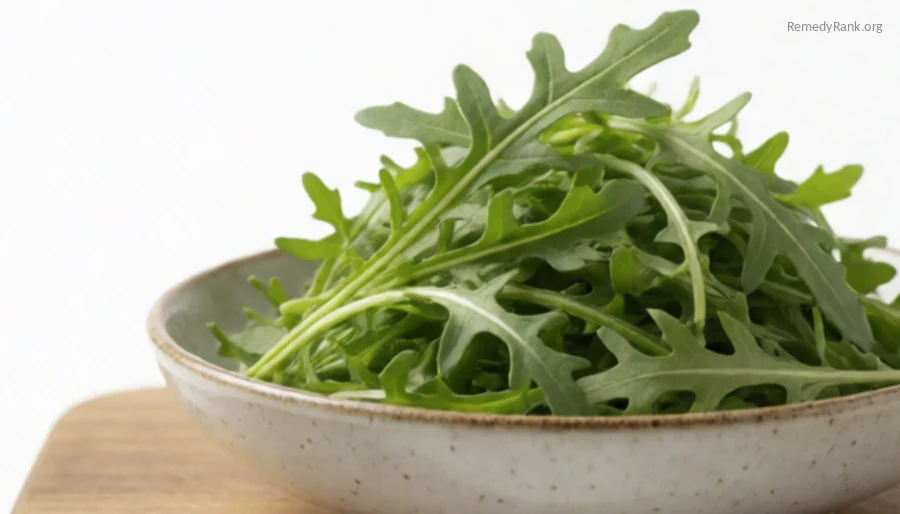
Arugula
A peppery salad green, rich in nitrates and vitamin K, that gently supports healthy blood pressure and strong bones.
 ⤢
⤢📊 How it ranks (our editor score) — 94/100Tap to see the breakdown
🌱 What it is
Arugula is a leafy green with a peppery bite, part of the same family as broccoli and kale, eaten fresh as a salad green rather than cooked.
📜 Where it comes from
Arugula has been cultivated in the Mediterranean region since Greco-Roman times, when it was noted by Roman writers for its peppery bite and was sometimes considered to have stimulating properties. It remained a staple salad green in Italian cooking for centuries before gaining wider popularity in American and international kitchens in the late twentieth century. Traditional Mediterranean diets have long included it as a fresh, bright addition to meals.
✨ Why it's good for you
- May help support healthy blood pressure with natural nitrates
- May help provide vitamin K for strong bones
- May help supply calcium and folate in a low-calorie leaf
- May help add antioxidants to a daily salad
🥗 Nutrition
Per 1 cup (20g) · about 5 calories
- Vitamin K 21.8mcg
- Folate 19mcg
- Calcium 32mg
- Vitamin A 47mcg
Source: USDA FoodData Central
🥄 How to use it
Pile it fresh into salads, layer it onto sandwiches, or wilt a handful into warm grain bowls just before serving.
How much: A practical food amount is a generous cup or two of fresh leaves in a salad most days.
Why it works: Nutrition science points to arugula's dietary nitrates as support for healthy blood pressure, since nitrates are studied for helping blood vessels relax, alongside its vitamin K for bone health.
Show full details & how to prepare it
Arugula is a tender, peppery leaf from the same hardy cabbage family that gives us mustard and broccoli, and it has graced Mediterranean tables for centuries. Its lively, mustardy bite comes from the same natural compounds that make those cousins so nourishing.
What makes arugula quietly remarkable is its store of natural nitrates, which the body turns into a substance that helps blood vessels relax and open — a gentle friend to healthy blood pressure. It is also unusually rich in vitamin K and bone-supporting minerals, along with the eye-protecting pigments lutein and zeaxanthin that shelter aging vision.
As food it is wonderfully safe and light. The only thoughtful notes are its vitamin K, which matters to anyone on a blood thinner, and its mild oxalates for those who form kidney stones — both easily managed with simple, steady portions.
Ways to prepare it
⚠️ Cautions
- It is high in vitamin K, so anyone on a blood-thinning medicine like warfarin needs to keep their intake steady, since vitamin K can affect how these medicines work.
- Its natural oxalates mean those prone to kidney stones are wise to enjoy it in moderate amounts.
📚 Learn more
🌿 Deeper natural detail
🩺 The conventional view
💬 Ask Remy about Arugula
📚 Resource confidence
Based on mentions in health references
Your vote is saved. Source endorsement totals come from books and studies (+7 per book, +5 per article). You can change your vote anytime from this device.
💬 Comments & experiences
Share what worked for you — and reply or 👍 like the experiences that resonate. Comments get a quick review before they appear publicly, to keep things safe and honest. Please don't make medical claims.
💚 Have an experience to share? Create a free account to join the conversation — your words might be exactly what someone else needs. Reading is always open to everyone.
Know a remedy like this?
Share a structured suggestion and our team will review it for the site.
Suggest a similar remedy