Whole Grain
Rye
A hearty whole grain whose unusually filling fiber steadies blood sugar and keeps you satisfied for hours.
 ⤢
⤢📊 How it ranks (our editor score) — 85/100Tap to see the breakdown
🌱 What it is
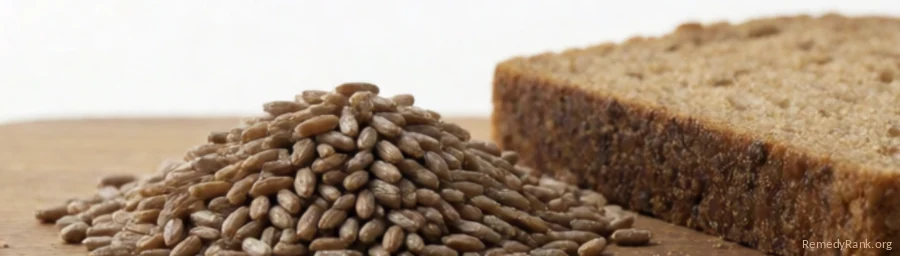
Rye is a dense, dark whole grain related to wheat and barley, grown widely in cooler climates and traditionally milled into rich, chewy breads or cooked whole like a hearty rice.
📜 Where it comes from
Rye was cultivated widely in cooler regions of Northern and Eastern Europe, becoming a dietary staple for many centuries where wheat struggled to grow, especially through harsh winters. Traditional Scandinavian, German, and Russian diets relied heavily on dense rye breads as a filling, sustaining food. It remains associated with hearty, traditional baking in these regions today.
✨ Why it's good for you
- May help support steady, lasting fullness between meals
- May help support healthy digestion with its fiber
- May help support healthy blood sugar levels
- May help supply B vitamins and minerals like magnesium
🥗 Nutrition
Per 1 cup cooked (169g) · about 217 calories
- Fiber 8.3g
- Magnesium 66mg
- Phosphorus 291mg
- Protein 9.6g
Source: USDA FoodData Central
🥄 How to use it
Choose whole-grain rye bread, rye flakes, or whole rye berries simmered like rice. Look for dense, dark loaves.
How much: A practical food amount is one to two servings of whole-grain rye a day — a slice or two of dense rye bread, or about half a cup of cooked rye berries.
Why it works: Nutrition science attributes rye's strong fullness effect to its dense fiber content, which slows digestionHow your body breaks food down into pieces small enough to use for energy. More → and is studied for steadying blood sugar more than many refined grains.
Show full details & how to prepare it
Rye is a sturdy grain that thrives where gentler crops fail, and for centuries it was the daily bread of northern Europe. What sets whole rye apart is the special nature of its fiber, which is unusually good at absorbing water and forming a thick, slow-moving mass in the stomach. The result is a remarkable, long-lasting sense of fullness from a modest amount of food.
That same slow digestionHow your body breaks food down into pieces small enough to use for energy. More → means the sugars in rye are released gradually, giving a gentler, steadier rise in blood sugar than refined grains — a real help for managing weight and glucose. The fiber also keeps the bowels regular and helps the body carry cholesterol away, and a healthy bile flow supports the gallbladder.
The one thing to know is that rye contains gluten, so it is not for those with celiac disease or gluten sensitivity. For everyone else, choosing the dense, dark whole-grain loaf rather than light refined bread is what unlocks its benefits.
Ways to prepare it
⚠️ Cautions
- Rye contains gluten, so it is not suitable for anyone with celiac disease or gluten sensitivity.
- Add fiber-rich rye gradually with plenty of water to avoid temporary bloating.
📚 Learn more
🌿 Deeper natural detail
🩺 The conventional view
💬 Ask Remy about Rye
📚 Resource confidence
Based on mentions in health references
Your vote is saved. Source endorsement totals come from books and studies (+7 per book, +5 per article). You can change your vote anytime from this device.
💬 Comments & experiences
Share what worked for you — and reply or 👍 like the experiences that resonate. Comments get a quick review before they appear publicly, to keep things safe and honest. Please don't make medical claims.
💚 Have an experience to share? Create a free account to join the conversation — your words might be exactly what someone else needs. Reading is always open to everyone.
Know a remedy like this?
Share a structured suggestion and our team will review it for the site.
Suggest a similar remedy